Çoğu gezgin Afrika'daki Roma İmparatorluğu'nu düşündüğünde aklına Kartaca gelir — Hannibal'ın anavatanı, Roma tarafından yerle bir edilip yeniden inşa edilen, Antoninus Hamamları'nın hâlâ Tunus Körfezi'ne hükmettiği kent. Ancak Africa Proconsularis, Numidya ve Cyrenaica'nın Roma eyaletleri Kartaca'nın çok ötesine uzanıyor; incelik bakımından İtalya ile yarışan ve bazı durumlarda — Bulla Regia'nın yeraltı mozaikleri, Sabratha'nın denize bakan tiyatrosu — korunmuşluk açısından onu geride bırakan bir kentsel peyzajı muhafaza ediyor.
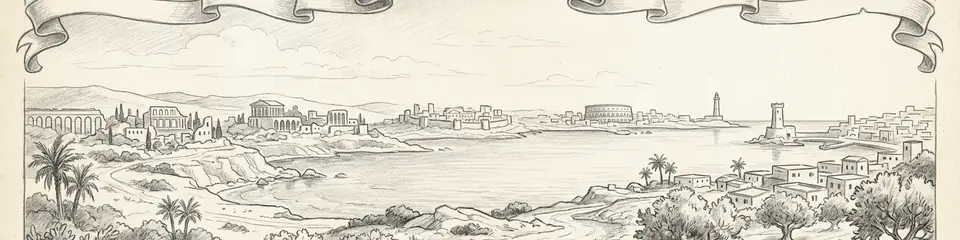
Bu rehber, Kuzey Afrika antik çağının tüm yayını izleyen beş sahayı birbirine bağlıyor: Yunan kolonizasyonu, Pön ticareti, Roma kolonizasyonu ve Bizans savunması.
"Afrika, derlerdi Romalılar, İtalya'yı besleyebilirdi — oysa kentleri yalnızca depo değil, Atlas rüzgârı altında mermer forumlar ve tiyatrolardı."
— Plinius'un ve Roma Afrikası üzerine modern yüzey araştırması arkeolojisinin başka sözcüklerle ifadesi
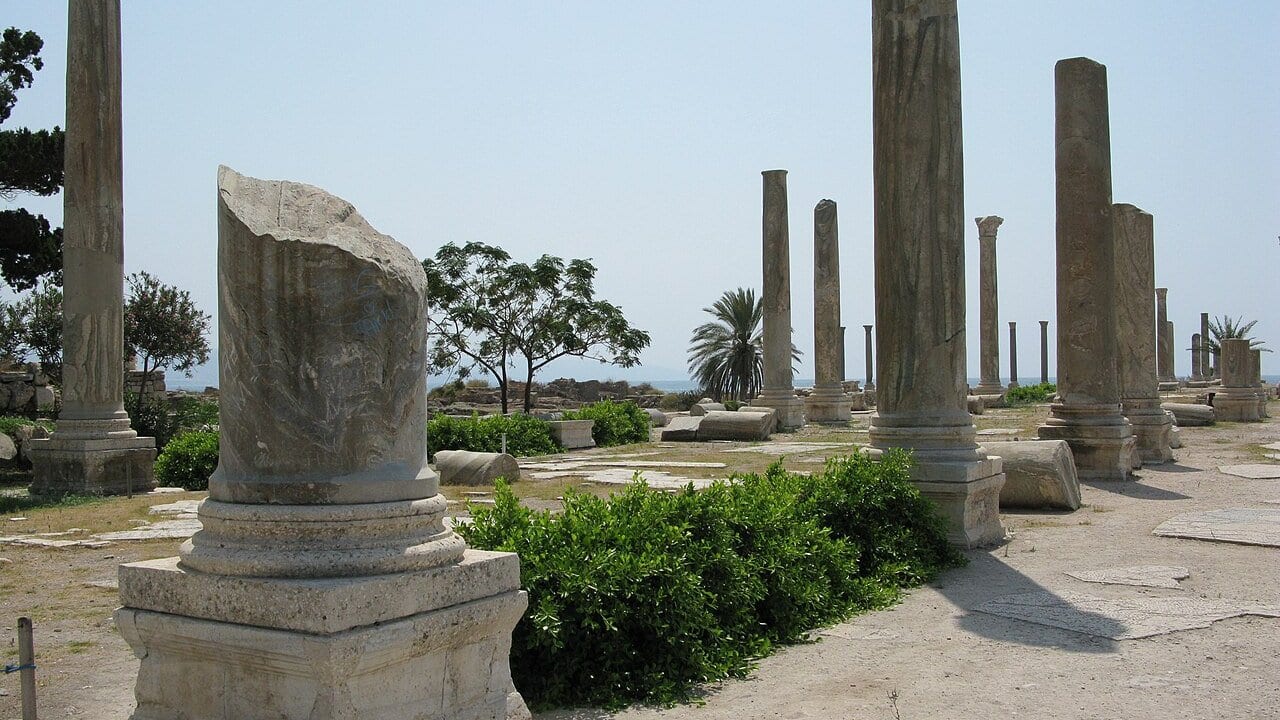
1. Cyrene — Libya Platosu'ndaki Yunan Başkenti
Cyrene, Herodotos ve Pindaros tarafından aktarılan geleneğe göre MÖ 631 civarında Thera (Santorini) adasından gelen yerleşimciler tarafından kuruldu. Akdeniz'in üzerindeki verimli Jebel Akhdar platosunda konumlanan kent, Cyrenaica'nın başkenti ve Afrika'daki en zengin Yunan kentlerinden biri hâline geldi — kentin sikkelerinde yer alacak kadar değer verilen tıbbi bir bitki olan silphium ile ünlüydü.
!Leptis Magna Septimius Severus Takı
Leptis Magna Septimius Severus Takı | Daviegunn (Kamu malı)
Cyrene filozoflar (Kyrene okulunun kurucusu Aristippos) ve şairler (Kallimakhos) yetiştirdi. Apollon Kutsal Alanı, tiyatrosu ve anıtsal kaya mezarlarıyla uçsuz bucaksız nekropolü, Kuzey Afrika'daki en kapsamlı Yunan-Roma peyzajlarından biri olarak günümüze ulaşmıştır. UNESCO Cyrene'i 1982'de listeye almıştır.
Tiyatro, Leptis Magna, Libya | bobrayner (CC BY 2.0)
2. Apollonia — Bir İmparatorluğu Besleyen Liman
!Leptis Magna Severus Septimius Takı
Leptis Magna Severus Septimius Takı | Egulsahakin (CC BY-SA 4.0)
Her iç başkentin bir limana ihtiyacı vardır. Libya kıyısında, Kirene'nin yirmi kilometre kuzeyindeki Apollonia, MÖ 6. yüzyıldan itibaren Kirene'nin limanı olarak hizmet vermiştir. Roma yönetimi altında kendi yargıçları, hamamları, tiyatrosu ve — en görünür şekilde — geniş Bizans surları ile mozaik zeminli kiliseleri olan bağımsız bir şehir haline gelmiştir.
Kıyı açıklarındaki su altında kalmış liman yapıları, antik deniz mühendisliğine dair nadir kanıtlar korumaktadır. Apollonia, Kirenaika kent sistemini tamamlar: limanı olmadan Kirene'nin silphium ve tahıl ihracatı anlaşılamaz.
Dougga Capitol Duvarı | Dennis G. Jarvis (CC BY-SA 2.0)
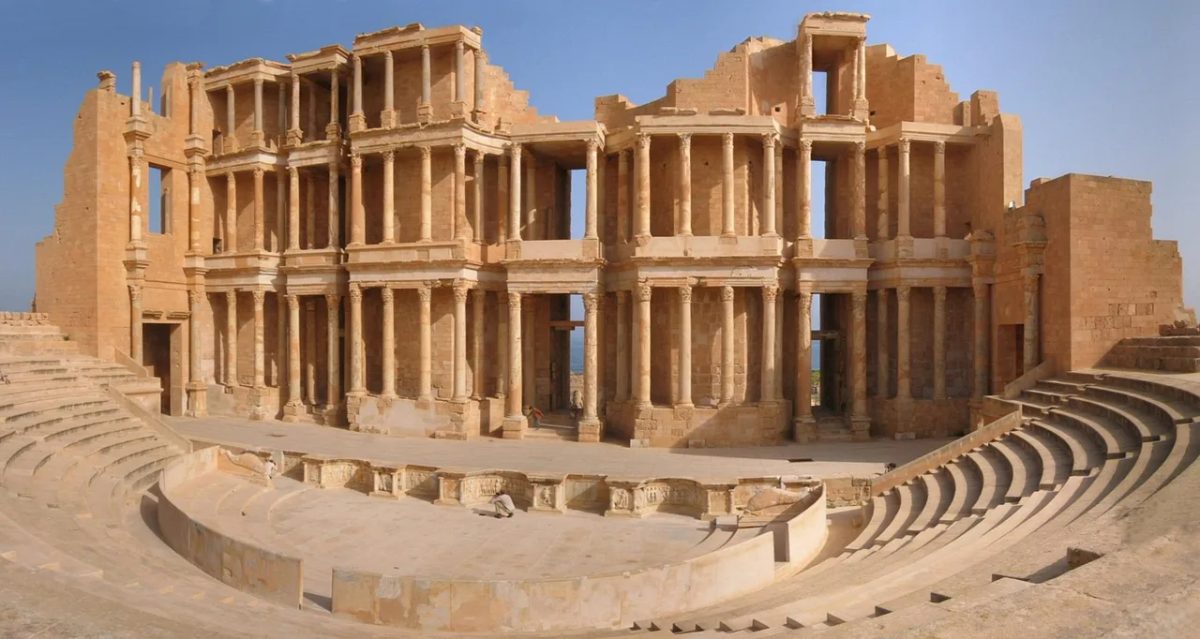
3. Sabratha — Denizin Üzerindeki Tiyatro
Trablus'un batısında, Sabratha bir Fenike ticaret karakolu olarak başlamış, MS 2. ve 3. yüzyıllarda bir Roma şehri olarak gelişmiştir. Yakınlardaki Leptis Magna'da doğan Septimius Severus, Tripolitania genelindeki inşaat projelerini himaye etmiştir.
Sitenin tiyatrosu — doğrudan Akdeniz'e bakan üç katlı sahne binasıyla — Afrika kıyısındaki en görkemli Roma anıtları arasındadır. Mozaik açısından zengin insulae'ler ve Liber Pater Tapınağı, zeytinyağı ve garum ihraç eden müreffeh bir limanı belgelemektedir. UNESCO, Sabratha'yı 1982'de Leptis Magna ile birlikte listelemiştir.
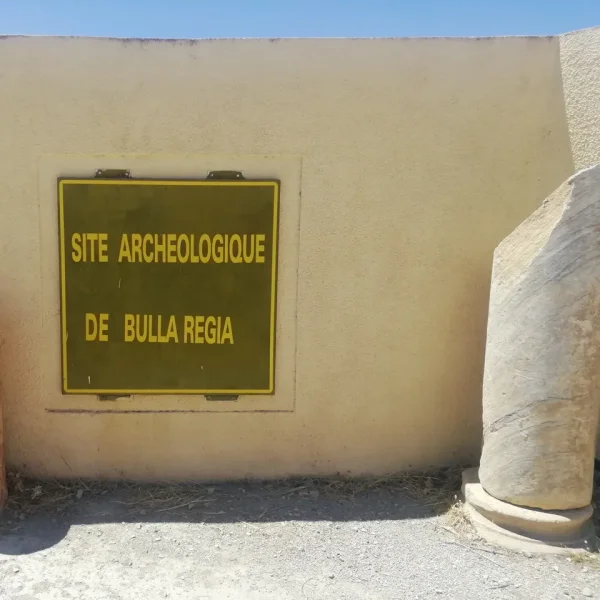
4. Bulla Regia — Yeraltındaki Roma
Kuzey Tunus'un Medjerda Vadisi'nde, Bulla Regia Roma dünyasında başka hiçbir yerde bulunmayan bir şey sunar: sıcaktan kaçmak için yeraltına inşa edilmiş tüm villa kompleksleri. Üst katlar çökmüş veya sökülmüş, ancak yeraltı seviyeleri mozaik döşemeleri yerinde korumuştur — ünlü Amphitrite mozaiği ve Av Evi'nin av sahneleri dahil.
Hadrian döneminde koloni statüsüne yükseltilen Bulla Regia, MS 3. ve 4. yüzyıllar boyunca gelişmiştir. Konut mimarisi, Kuzey Afrika'nın herhangi bir yerindeki Roma seçkin yaşamının en iyi korunmuş resmidir.
5. Cuicul (Djemila) — Dağlardaki Roma
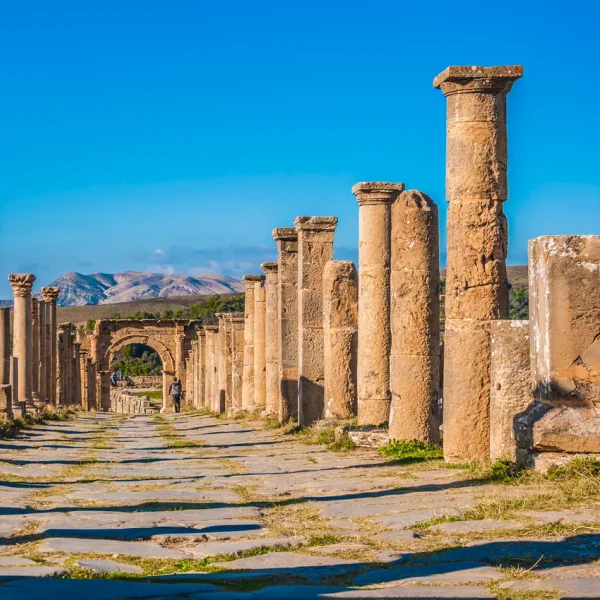
Kıyı şehirlerinin aksine, Cuicul — Cezayir'in Aurès Dağları'ndaki modern Djemila — Nerva döneminde MS 97 civarında kurulmuş bir yayla kolonisiydi. 900 metre yükseklikte, deniz ticareti yerine çevredeki vadilerden gelen tahıl ve zeytinyağıyla zenginleşmiştir.
Kentsel plan son derece tutarlıdır: forum, capitol, bazilika, hamamlar ve Caracalla'nın zafer takı (MS 216) dağ manzarasına karşı kurulmuştur. İnce mozaiklere sahip geç antik Hristiyan bazilikaları, bölgenin dini dönüşümünü belgelemektedir. UNESCO, Djemila'yı 1982'de dağ arazisine uyarlanmış Roma şehir planlamasının bir başyapıtı olarak listelemiştir.
Bu Beşi Nasıl Bağlantılı?
Birlikte, bu siteler Roma'nın Afrika eyaletlerini üç modern ülke boyunca haritalandırır:
- Cirenaica (Libia): colonización griega → provincia romana → defensa bizantina (Cirene + Apolonia)
- Tripolitania (Libia): comercio púnico → ciudades portuarias romanas (Sabratha, además de Leptis Magna y Oea)
- África Proconsular (Túnez/Argelia): colonización romana de zonas interiores y de altura (Bulla Regia, Cuicul)
Los cinco complementan a Cartago —la metrópolis púnico-romana que ancló el imperio africano de Roma— y se conectan con la cronología romana más amplia en Atlas Anatolia.
Última actualización: julio de 2026
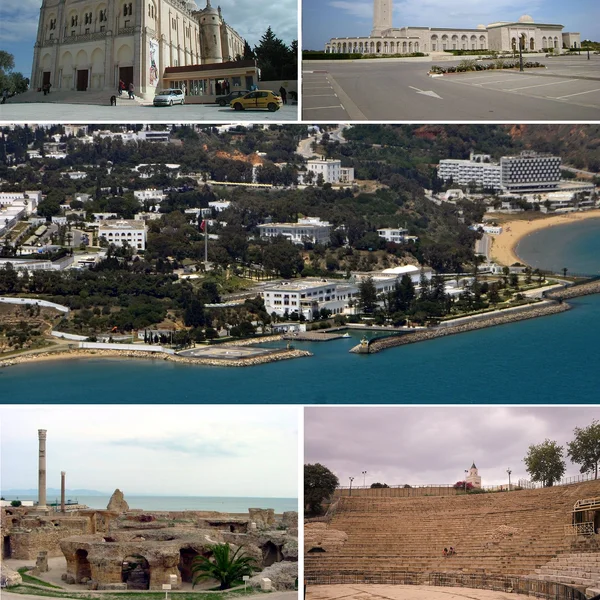
Tunisia
Carthage
Roma'nın en büyük rakibi haline gelen, daha sonra bir Roma metropolü olarak yeniden doğan, bin yıldan fazla Ak
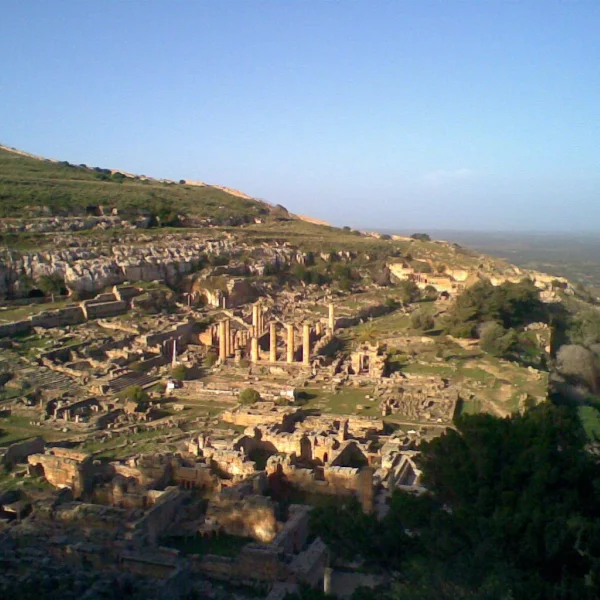
Libya
Cyrene
7. yüzyılda MÖ kurulan ve daha sonra Ptolemaios ve Roma dünyasına katılan, Kyrenaika'nın Libya kıyısındaki büy
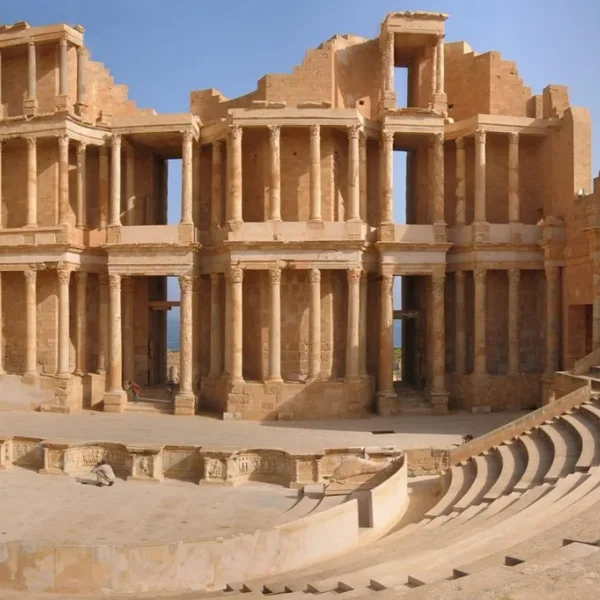
Libya
Sabratha
Libya kıyısında, Trablus'un batısında bir Pön ticaret merkezi olarak kurulup Roma kentine dönüşen, denize baka
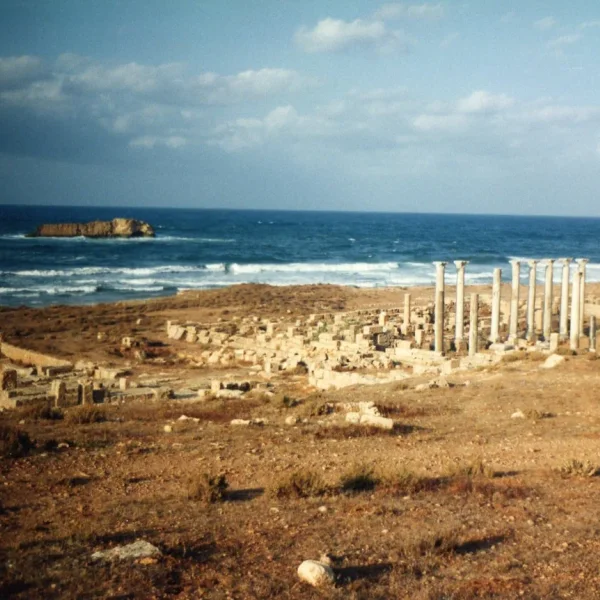
Libya
Apollonia
Apollonia, Libya kıyısındaki antik Cyrene limanı, iç kesimlerdeki Yunan başkentinin liman kenti olarak hizmet
Algeria
Cuicul (Djemila)
Cezayir'in Aurès sıradağlarında yer alan bir Roma dağ kolonisi olan Cuicul (modern Djemila), Afrika'daki en uy