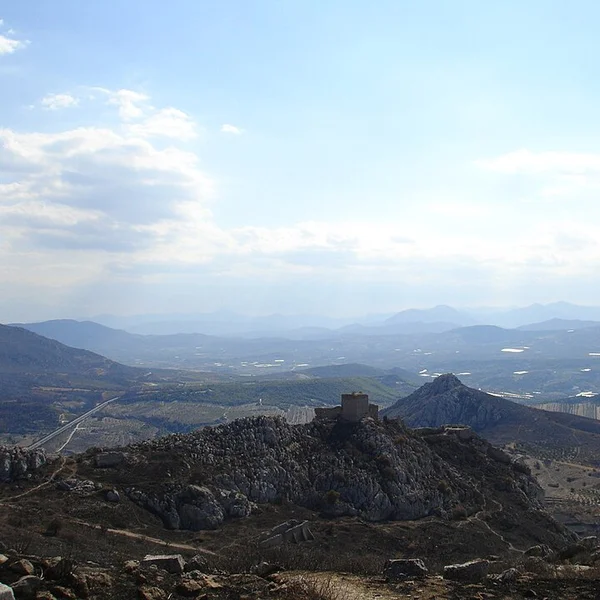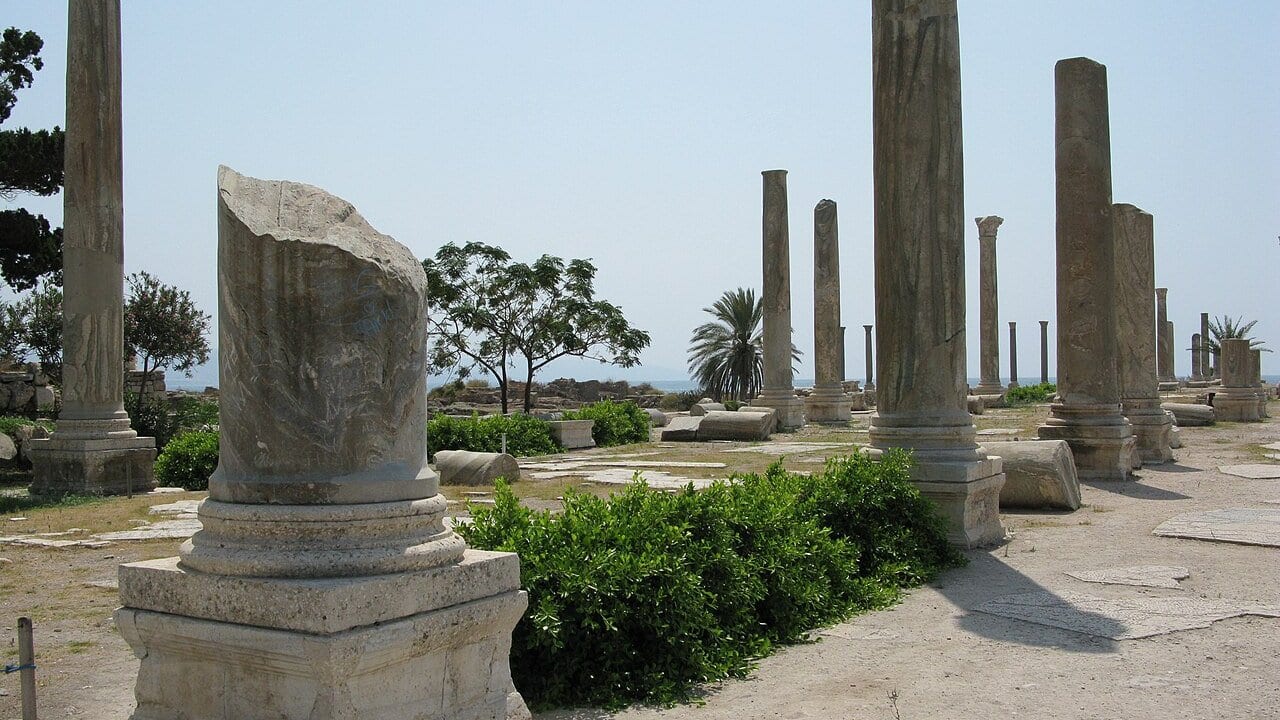
Homeros'un Odysseia'sı yeniden ekrana döndüğünde, çoğunlukla dipnotlarda yaşayan yerler ziyaret edilebilir hissettirmeye başlıyor. Miken akropolünde durabilir, Troya höyüğünde yürüyebilir veya İthaka'ya feribotla geçebilirsiniz. Sonra jenerik akar ve filmdeki surlarla çevrili kentin Fas'ta çekildiğini, Tunç Çağı yerleşiminin ise Çanakkale Boğazı'nda beklediğini öğrenirsiniz. Bu rehber, destanı arkeolojiye ya da Nolan'ın bildirilen mekân çalışmalarına dayandıran her Atlas durağını birbirine bağlar; şiiri, kazıyı ve kamerayı ayrı sütunlarda tutar.
Peloponez karşılaştırma setini Ege ve film seti yanında açın ya da Odysseia'nın nerede çekildiğine dair SEO haritamıza atlayın.
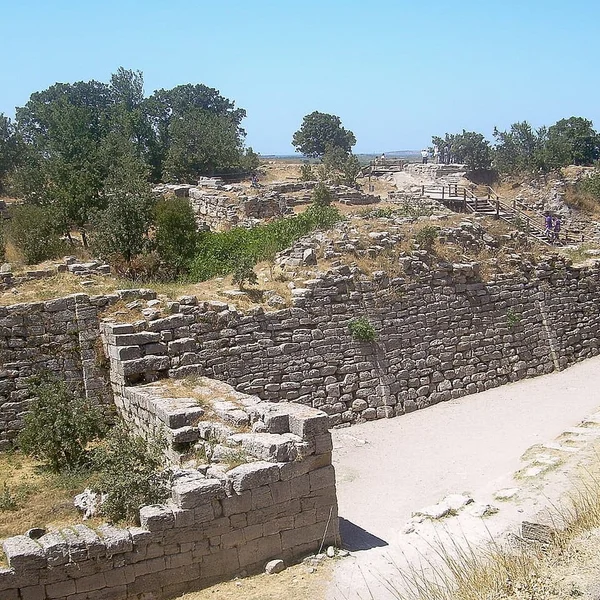
Türkiye
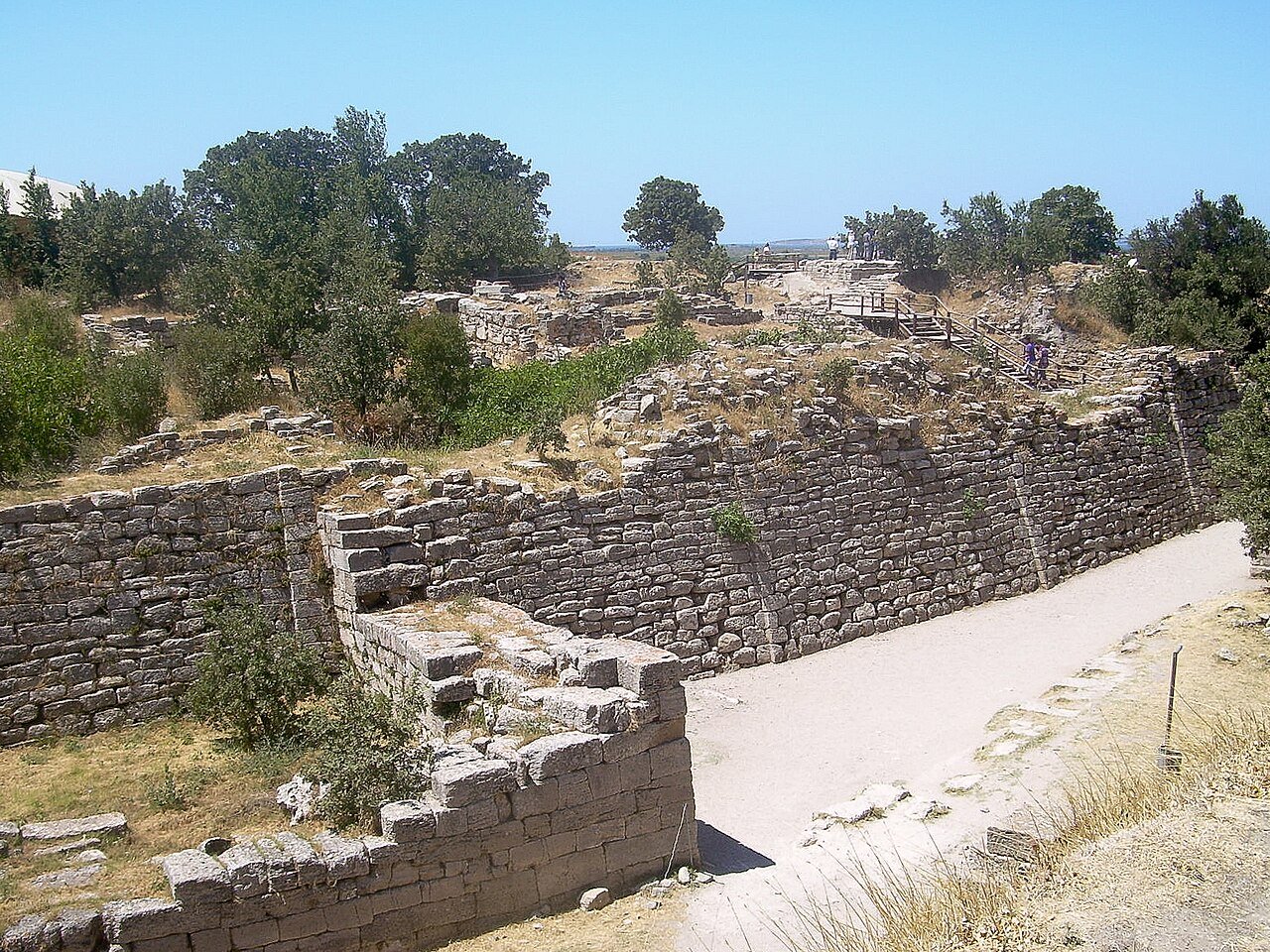
Troy
Türkiye'nin kuzeybatısındaki Hisarlık'ta, Heinrich Schliemann'ın Homeros'un Troya'sı için kazdığı ve arkeologl
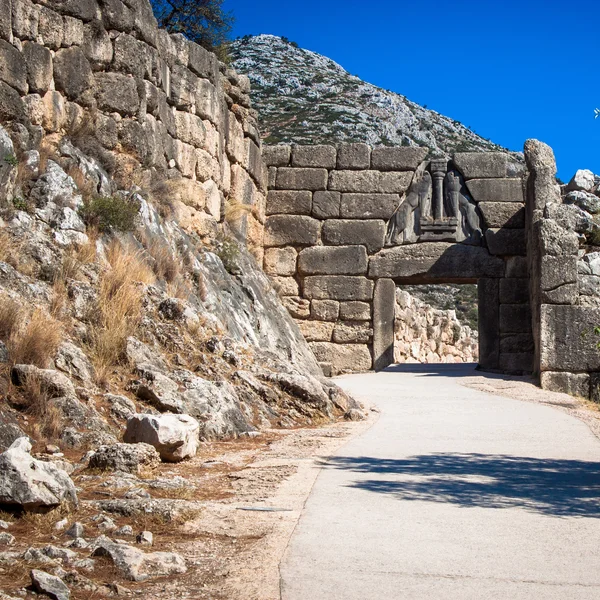
Greece
Mycenae
Argolis'teki Agamemnon Kalesi; Aslanlı Kapısı ve Mezar Daireleri, Geç Tunç Çağı Yunanistan'ı imajımızı tanımla
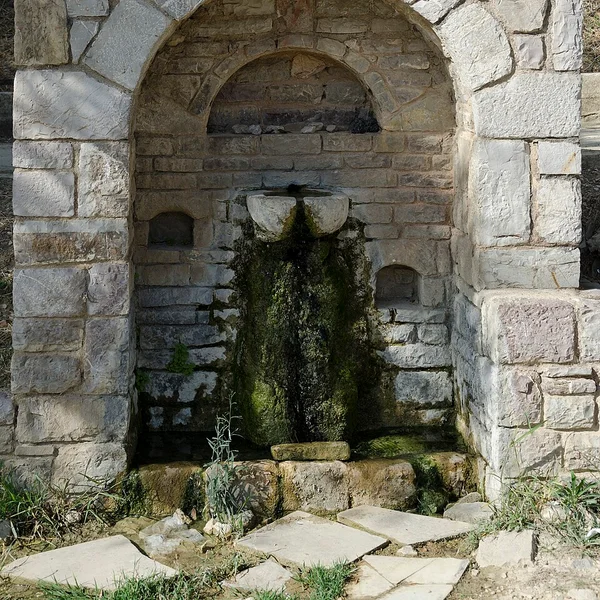
Greece
Palace of Nestor
Yunan ana karasındaki en iyi korunmuş Miken sarayı, MÖ 1300 civarında modern Pylos yakınlarındaki Englianos'ta
Greece
Ithaca
Antik çağlardan beri Odysseus'un kayalık vatanı olarak bilinen İyon adası. Pelikata tepesi, Nymphler Mağarası
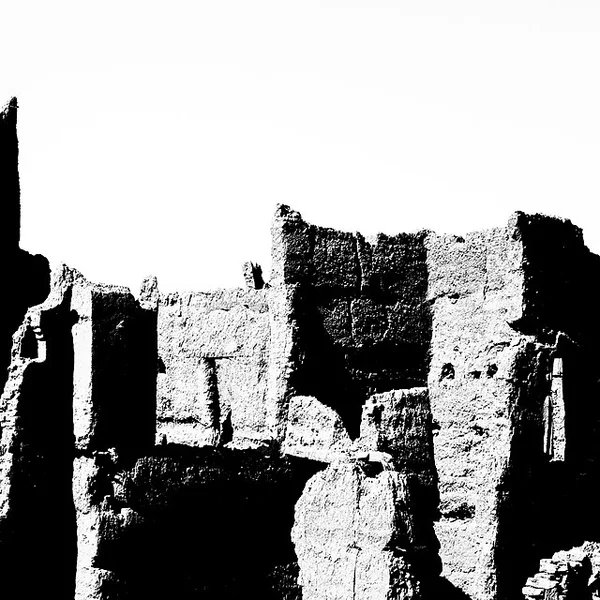
Morocco
Aït Ben Haddou
Sahra ile Marakeş arasındaki eski kervan yolunda yer alan, müstahkem bir toprak ksar; üst üste dizilmiş pisé k
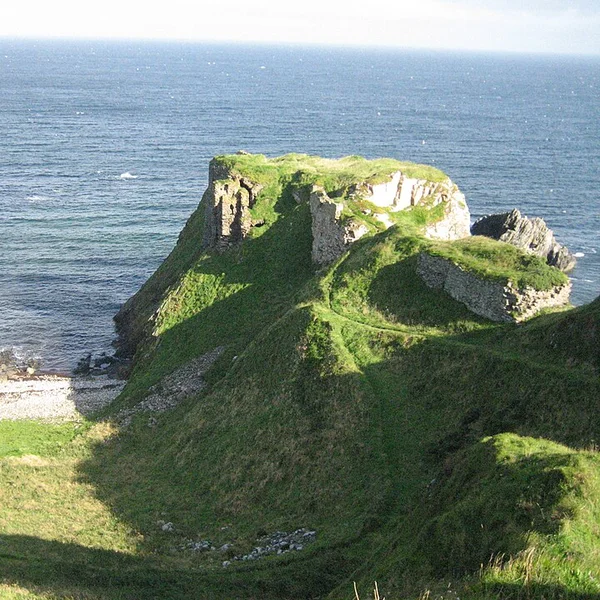
United Kingdom
Findlater Castle
Moray Firth kıyısında, İskoç anıtı olarak tescillenmiş ve Christopher Nolan'ın 2026 yapımı Odyssey filmi için
Troya: şiir, Hititler ve Fas'taki ekran
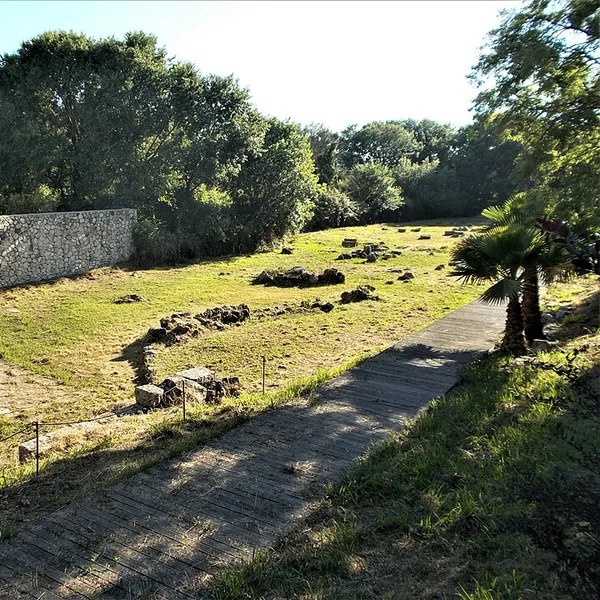
Homeros'un İlyada'sı Troya Savaşı'nı sahneye koyar. Odysseia, kent düştükten sonra başlar. Troya'daki (Hisarlık, Türkiye) arkeoloji dokuz yerleşim katmanı gösterir. Troya VI ve VIIa, Hitit tabletlerinin kuzeybatı Anadolu'da Wilusa'dan söz ettiği döneme uyar. Bu, Akhilleus ve Hektor'un kanıtı değildir. Güçlü devletlerin Hellespontos'un bu köşesi için savaştığının kanıtıdır.
Christopher Nolan'ın Odysseia'sı, surlarla çevrili kent dış çekimlerini Fas kervan yolu üzerindeki on yedinci yüzyıldan kalma Berberi ksarı Aït Ben Haddou'da yaptı. UNESCO toprak kuleleri 1987'de listeledi. Gladyatör ve diğer destanlar aynı sırtı kullandı. Filmin Troyası, Atlas güneşi altında kerpiçtir. Kazılan Troya ise Çanakkale Boğazı'nda taş ve tuğladır. Doğru etiketlediğiniz sürece her iki gezi de dürüsttür.
Miken Yunanistanı: krallar, saraylar, surlar
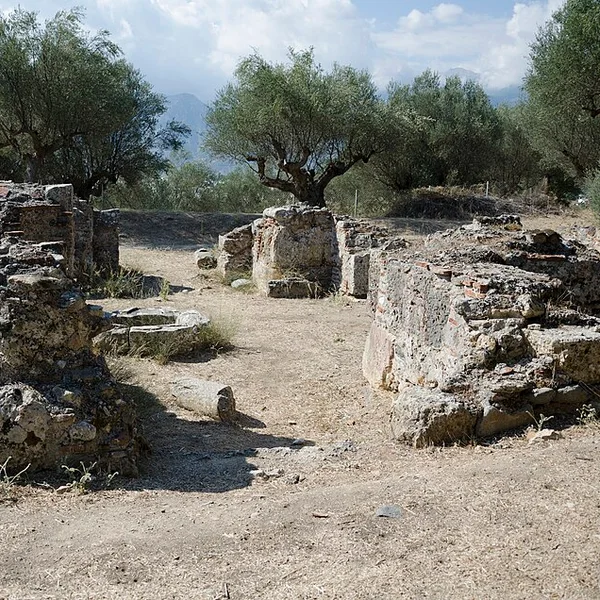
Şiir İthaka'da açılır, ama Telemakhos Odysseus hakkında haber almak için Pylos'a yelken açar ve Nestor'a sorar. Englianos'taki Nestor Sarayı, anakaradaki en iyi korunmuş Miken sarayıdır: freskler, şarap depoları ve MÖ 1180 civarında bir yangında sertleşerek pişen Linear B tabletleri. Yakındaki Voidokilia kumsalı ve Nestor Mağarası, 2025'te Kiklop'a bitişik sahneler için Yunanistan birim çekimlerine ev sahipliği yaptı.
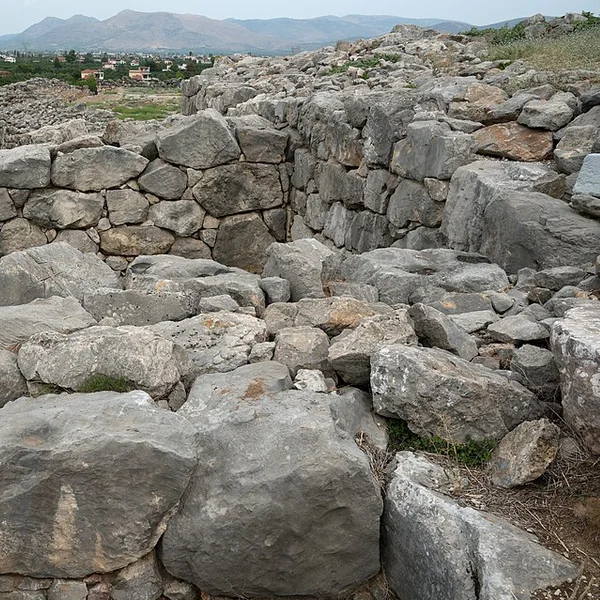
Miken ve komşusu Tiryns, sonraki Yunanların sıradan inşaatçılar için fazla büyük saydığı Kiklop duvarlarını hâlâ taşır. Aslanlı Kapı, A Mezar Çemberi ve tholos mezarları, "Kahramanlık Çağı" Yunanistanı'nın sonraki her tasvirini biçimlendirdi. Troya geleneğinde Helene ve Menelaos'un yurdu olan Sparta, daha az taş bıraktı ama Lakonia'yı mitolojik haritada tutar.
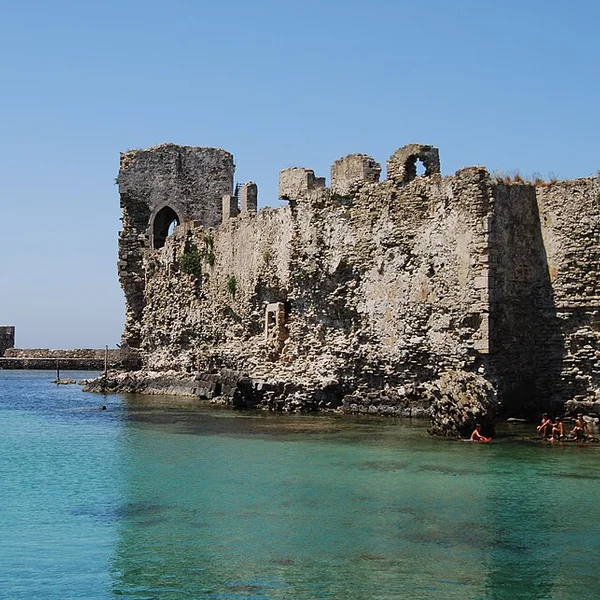
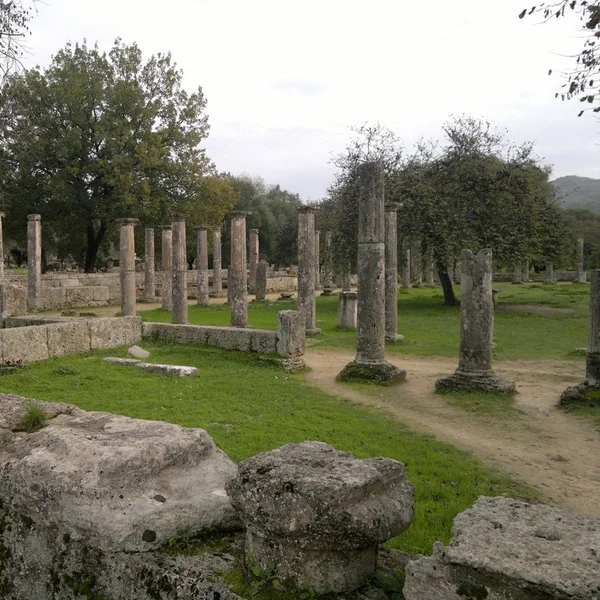
Güneybatı kıyısı boyunca, Methoni'nin Venedik kalesi, Nestor'un krallığının yakınındaki İyon kanalını korur. Yapımlar, müstahkem bir limana ve Messinya ışığına ihtiyaç duyduklarında bu kıyı şeridini keşfe çıkar. İç kesimde, Olympia Homeros'tan sonraki döneme ait bir pan-Helen kutsal alanıdır; yine de kralların ve oyunların izini süren herhangi bir modern Yunan güzergâhı eninde sonunda Altis'e ulaşır.
Phaiaklar, Aiolia ve Sicilya
Yerel gelenek hâlâ Korfu'yu Phaiakların adası olarak adlandırır. Kanoni yarımadasındaki Palaeopolis'te yürüyün; Arkaik tapınakları, liman yapılarını ve Thukydides'in Yunanistan'ın deniz güçleri arasında saydığı kenti görürsünüz. Korkyra'nın Homeros'un Scheria'sına eşit olup olmadığı edebi bir sorudur. Taşlar gerçektir.
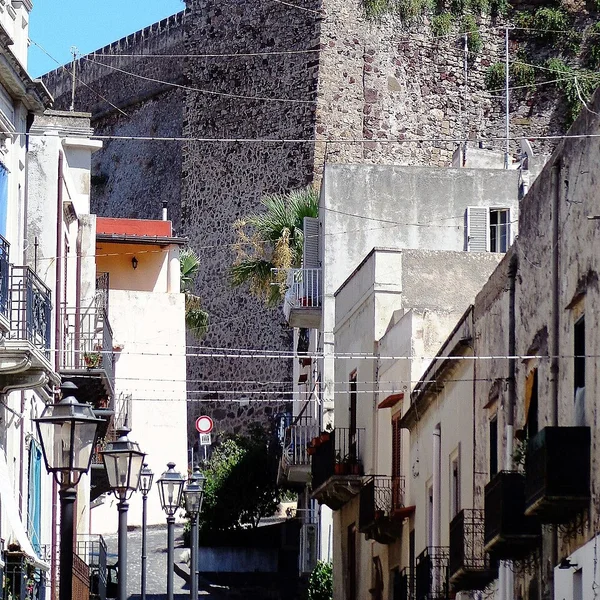
Homeros'un yüzen Aiolos adası şiire aittir. Lipari'deki kazılmış akropol ise Neolitik tüccarlara, Tunç Çağı köylerine ve İspanyol kalesinin içindeki Aiolos'a adanmış bir Yunan bothrosuna aittir. Nolan'ın ekibi ayrıca Aiolia ve Aigades denizlerinde çalıştı; Favignana'nın gemi ve plaj sahneleri için bir İthake benzeri olarak kullanıldığı yaygın biçimde bildirildi.
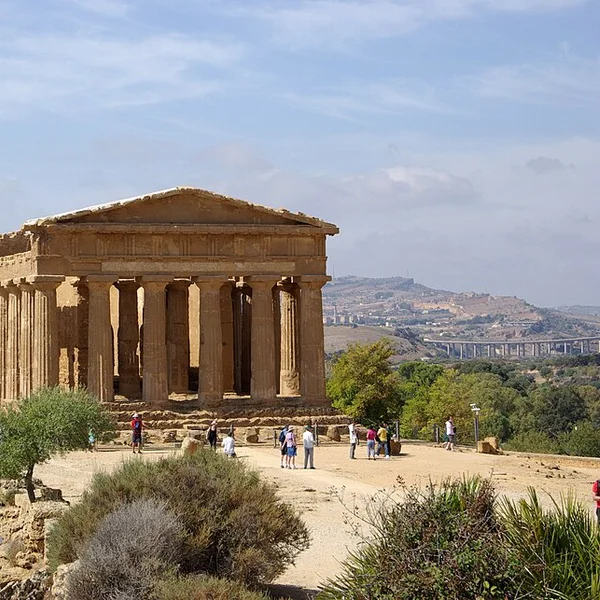
Sicilya'nın Yunan batı kıyısı farklı türde bir Homeros yankısı sunar. Agrigento'daki (antik Akragas) Dor sırtı, adı geçen bir Odysseia durağı değildir; yine de sonraki okurların Kykloplar diyarına ve koloni mitine yansıttığı batı Yunan tapınak inşasının ölçeğini gösterir.
Girit, Delfi ve daha geniş Yunan dünyası
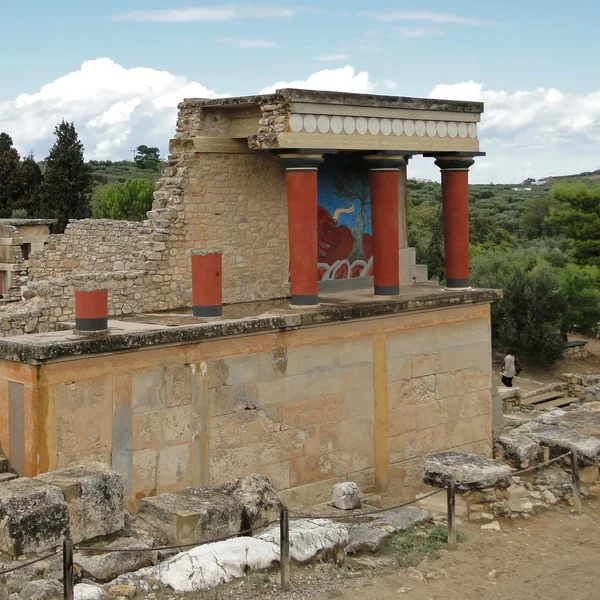
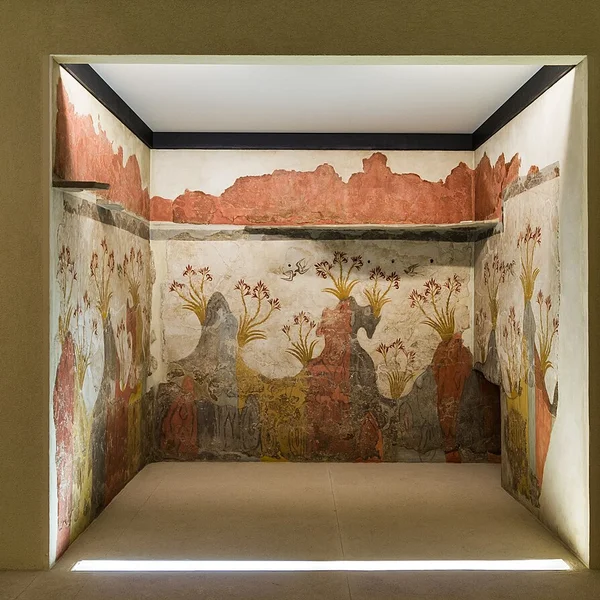
Odysseus Girit hikâyeleri anlatır. Minos Knossos'u, sonraki Yunanların adada neden labirent gibi saraylar ve boğa kültü hayal ettiğini açıklar. Evans'ın yeniden inşa edilmiş taht odasını, modern beton eklemeler olmaksızın kül altında mühürlenmiş bir Tunç Çağı kenti olan Thera'daki Akrotiri ile karşılaştırın.
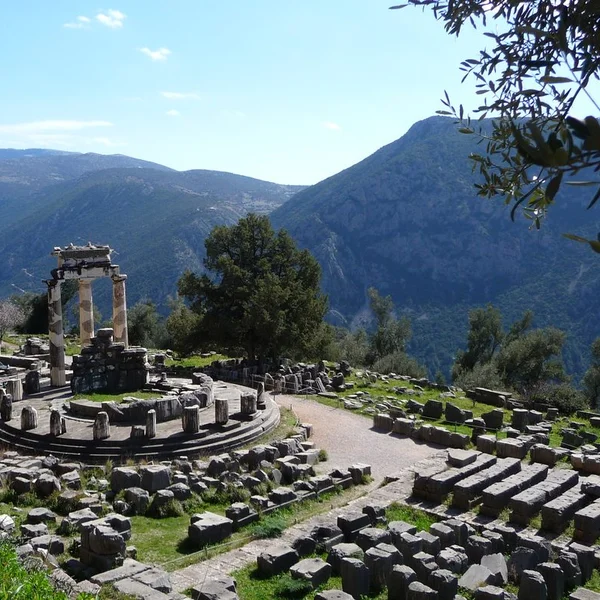
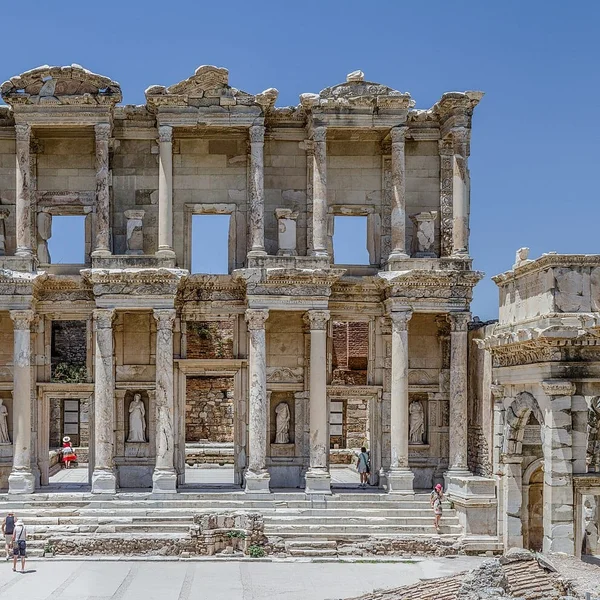
Delfi, Homeros'un yazıldığı tarihten sonra bir pan-Helen kehanet merkezine dönüştü; yine de Yunan mitinin herhangi bir modern yeniden anlatımı, Apollon'un Pythia'sını kaderin sesi olarak miras alır. Kıstak üzerinde, Korinth ve Akrokorinth, Orta Yunanistan ile Peloponnesos arasındaki geçidi kontrol ediyordu. Nolan'ın Yunan ekibi ayrıca saray çevresi dış mekânları için Akrokorinth sırtını kullandı. Ege'nin karşısında, Efes, Tunç Çağı Yunanlarının zaten yelken açtığı kıyılarda Roma mermer kentlerinin daha sonra nasıl yükseldiğini gösterir.
Atlas üzerindeki (ve dışındaki) film coğrafyası
Bildirilen her Nolan mekânı bir arkeolojik park değildir. İskoçya'nın Moray Firth kıyısındaki Findlater Kalesi, İthake çevresi sahneler için uçurum ve kale dokusu sağladı. İzlanda (Hjörleifshöfði, Snæfellsnes, Markarfljót) yeraltı dünyası atmosferini taşıdı. Dakhla yakınındaki Beyaz Kumul, Sahra boşluğunu ekledi. Favignana, yayımlanmış bir Atlas kazısından çok bir ada manzarası olmaya devam ediyor. Burada miras alanlarını listeliyoruz; yalnızca film için kullanılan plajları ve kumulları adlandırıyoruz ki bir İskoç uçurumunu Homeros'un limanıyla karıştırmayasınız.
Her site sayfasındaki kanıtlar nasıl okunur
Atlas, her sitede iddiaları Doğrulandı, Çıkarım veya Tartışmalı olarak etiketler. Homeros'a ait isimler otomatik Doğrulandı etiketi almaz. Bir sayfa Wilusa'yı Troya'ya bağladığında, bu güçlü Hitit desteğiyle Çıkarım'dır. Bir ksar filmde Troya'nın yerine geçtiğinde, bu Bronz Çağı stratigrafisi değil, kültürel bir olgudur.
Önerilen rota: Şiir ile kamerayı karşılaştırmak için Troya ve Aït Ben Haddou ile başlayın. Atina'ya uçun, Miken, Tiryns, Korint ve Olympia'yı gezin, ardından İthaka, Methoni ve Nestor Sarayı için batıya feribotla geçin. Palaeopolis için Korfu'yu, Knossos için Girit'i ekleyin ve bilette Sicilya varsa Lipari'yi de dahil edin. Önce arama yapılabilir bir film kontrol listesi için Nolan Odyssey çekim yerleri sayfasını kullanın.
İlgili okuma: Minoan Akrotiri özelliği, Homeros'un karakterlerinin ardındaki Bronz Çağı arka planını derinleştirir.
Son güncelleme: Temmuz 2026