Overview
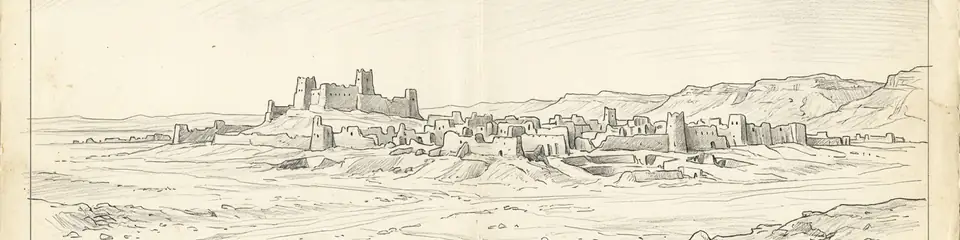
Qaryat al-Faw sits on the northwestern fringe of the Rubʿ al-Khali (Empty Quarter) in Najran Province, Saudi Arabia, beside the Wadi al-Dawasir corridor that carried caravans between Yemen and the Gulf–Levantine networks. From roughly the third century BCE through the fourth century CE it flourished as the capital of Kinda and as a market where South Arabian, Nabataean, Greco-Roman, and local Arabian material cultures mixed.
Saudi excavations (notably University of Riyadh / King Saud University campaigns from the 1970s onward under Abdulrahman al-Ansary and successors) uncovered a planned urban fabric: residential quarters with painted walls and frescoes, temple architecture dedicated to the deity Kahl (the city was known as Qaryat Dhāt Kāhil), extensive cemetery areas, inscribed stelae, and imported goods including Roman glass and pottery.
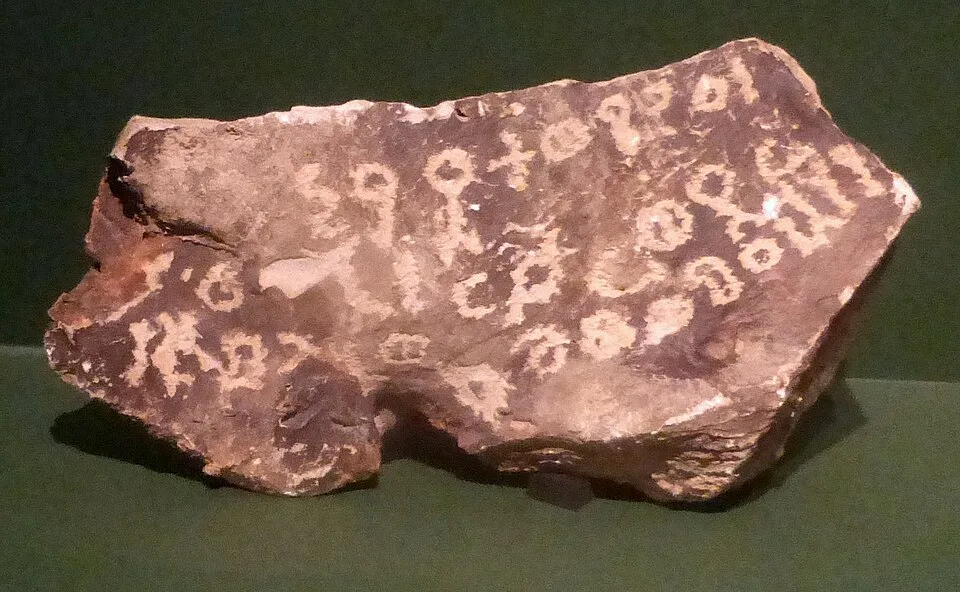
"This is Qaryat of Kahl — a house of merchants and kings where the desert routes of Arabia met the incense of the south."
— Paraphrase of Kindah-era dedicatory language associating the city with the deity Kahl
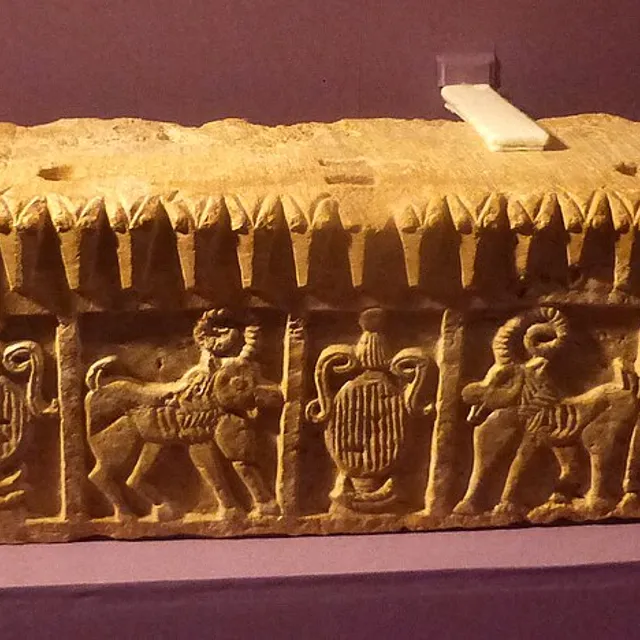
The site’s art — including famous painted panels and sculptural finds now in Saudi museums — shows a visual culture conscious of Hellenising styles yet rooted in Arabian cult and commerce. Qaryat al-Faw thus documents how the incense and spice economy generated not only coastal Yemeni capitals but inland desert cities capable of sustaining elite architecture for centuries.