
Overview
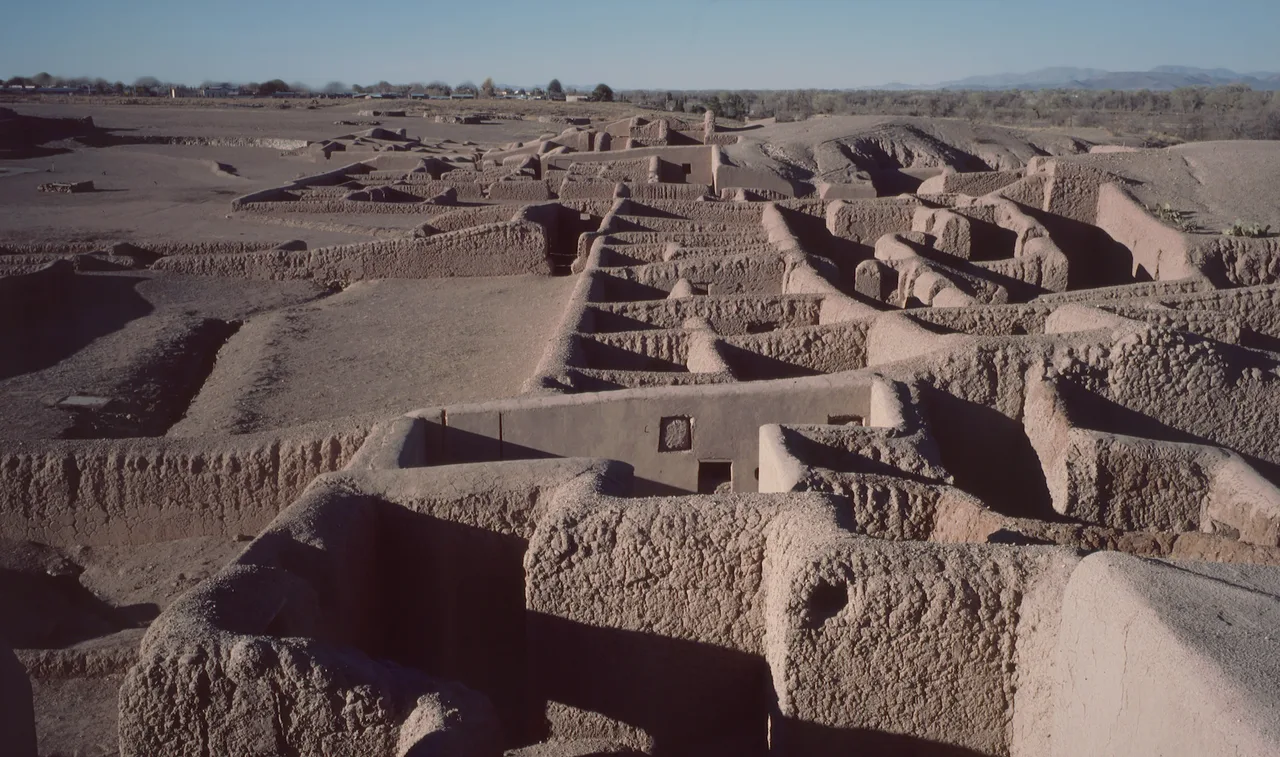
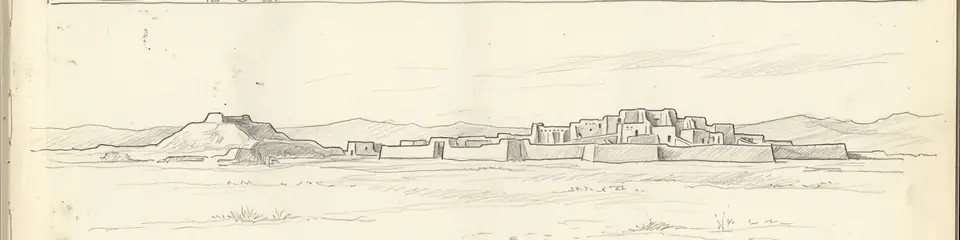
Paquime, also known as Casas Grandes, stands in the Casas Grandes River valley in the northern Mexican state of Chihuahua, about 300 kilometres south of the US border. Inhabited from approximately 700 to 1450 CE, it reached its greatest importance between 1200 and 1450 CE, when it functioned as a major commercial and ceremonial hub connecting the Ancestral Pueblo cultures of the American Southwest to Mesoamerican civilisations further south.
At its peak, Paquime was a multi-storey adobe compound covering many hectares and housing several thousand people. The architecture — tall mud-brick buildings with T-shaped doorways, interior plazas, and interconnected rooms — resembles the Pueblo great houses of Chaco Canyon and Mesa Verde but on a grander scale. The city had an elaborate water supply system: stone-lined aqueducts and drainage channels brought water from a spring 3 kilometres away. Remnants of large pens for keeping scarlet macaws have been identified — these tropical birds, native to southern Mexico, were evidently raised at Paquime and their feathers traded north for use in Pueblo ceremonial regalia.
Paquime is also famous as the origin of Casas Grandes polychrome pottery — among the most beautiful and technically accomplished ceramics in the pre-Columbian world. The pots feature bold geometric designs and effigy forms painted in black, white, and red on a cream slip with extraordinary precision. The city was destroyed around 1450 CE, possibly by warfare with neighbouring groups, and was inscribed as a UNESCO World Heritage Site in 1998.