
Overview
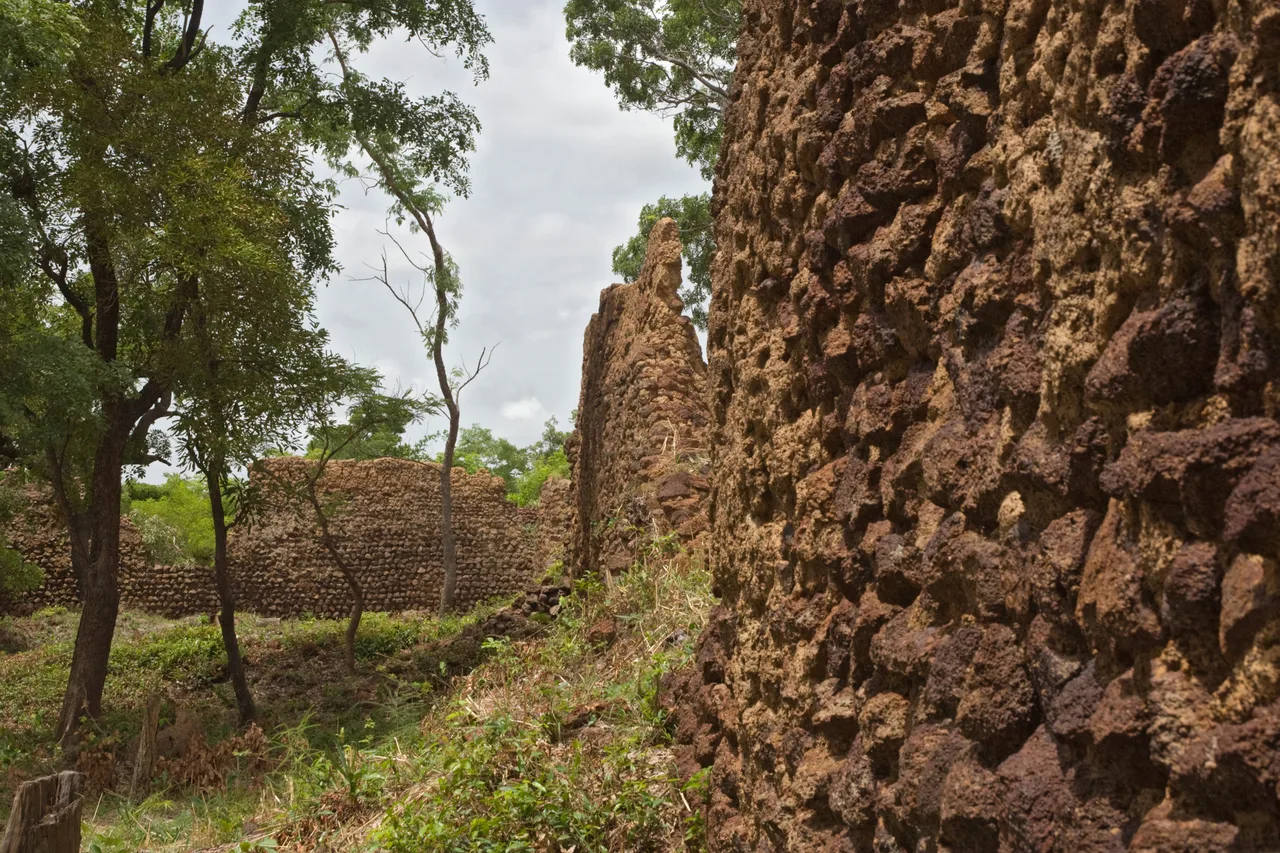
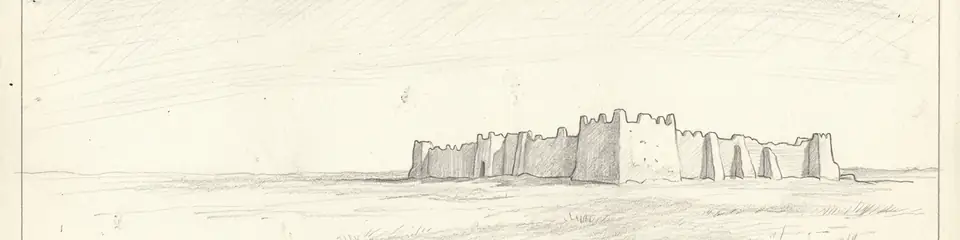
Loropéni lies near Burkina Faso's southwestern border with Côte d'Ivoire and Ghana, within a region historically significant for gold production. The site consists of massive dry-stone walls — built without mortar, up to six metres high and enclosing an area of roughly 11,130 square metres — forming one of ten similar fortified stone enclosures (locally known as lo, meaning "protective wall") scattered across the surrounding landscape, of which Loropéni's is by far the best preserved.
Archaeological and historical evidence connects the enclosures to the region's gold industry, which fed into the broader trans-Saharan trade networks that carried West African gold north across the Sahara to North African and Mediterranean markets for many centuries, funding the wealth of empires such as Ghana, Mali, and Songhai even though the actual gold-producing zones — including the area around Loropéni — often lay well outside those empires' direct political control. The walls are generally interpreted as having served defensive and controlling functions related to this gold trade, whether protecting stored wealth, controlling access to production sites, or marking the territory of a specific trading or producing community, though which of these functions predominated, or whether the purpose changed over time, remains debated.
Dating the site precisely has proven difficult. Archaeological evidence suggests activity at Loropéni beginning as early as the 11th century CE, with the surviving stone walls themselves more commonly attributed to construction and use spanning roughly the 14th through 17th centuries, though the site continued to see some level of occupation into the 19th century before being abandoned. Unlike many major archaeological sites in West Africa, no strong oral historical tradition survives among nearby communities today that definitively identifies the specific ethnic or political group responsible for building the walls, though scholarly and local tradition has associated the broader gold-trading networks of the era with Dyula and other Mande-speaking merchant communities who operated extensively across this part of West Africa.
Excavations within the enclosure walls have recovered ceramics, iron-working evidence, and other material culture that confirm sustained human occupation and craft activity, but have not yet produced a definitive answer to who specifically directed the walls' construction or organised the community living and working within them. Loropéni was inscribed as Burkina Faso's first UNESCO World Heritage Site in 2009, recognised explicitly as testimony to the historically under-documented gold trade that connected West Africa to the wider medieval and early modern world economy.