
Overview
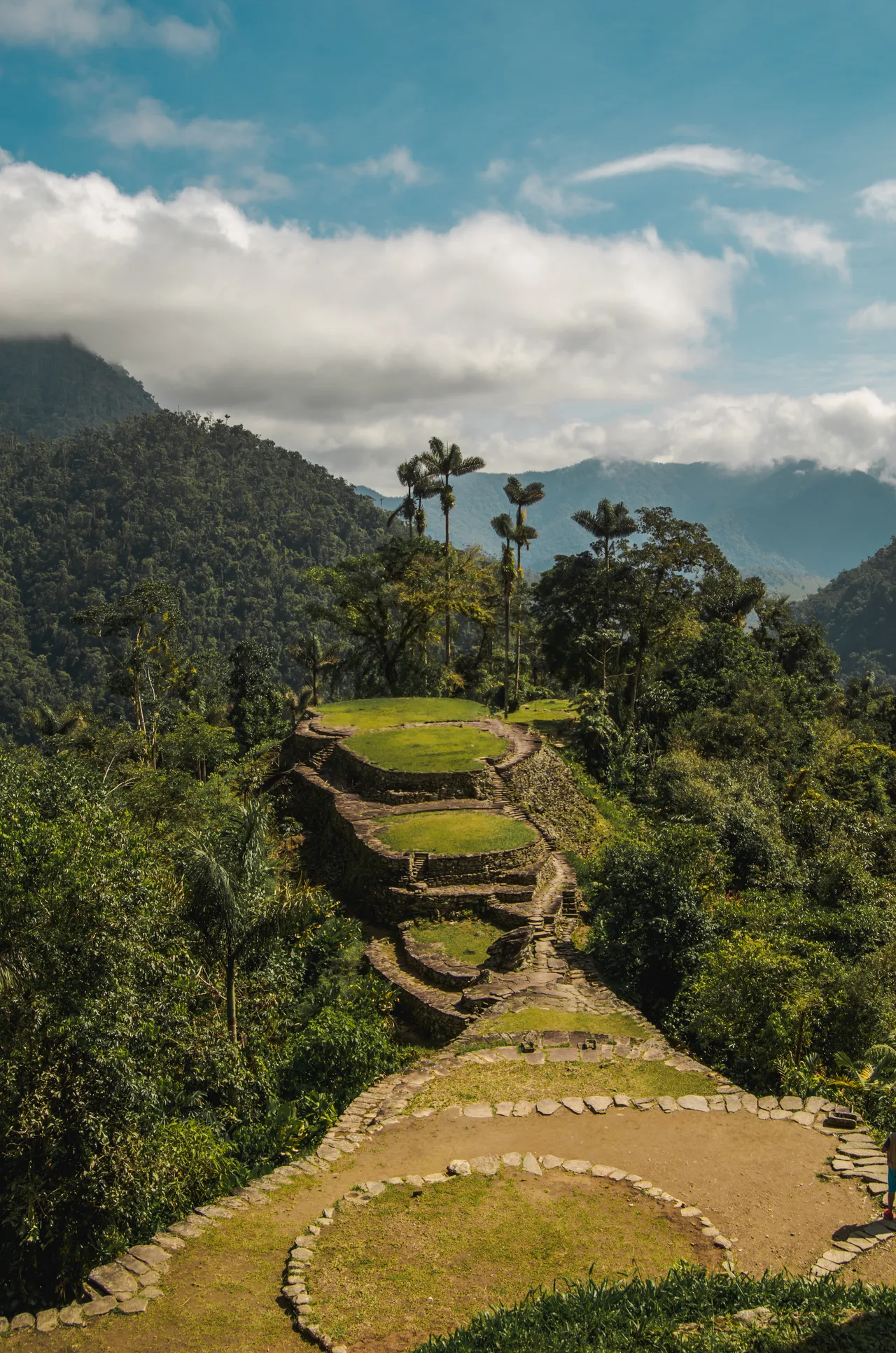
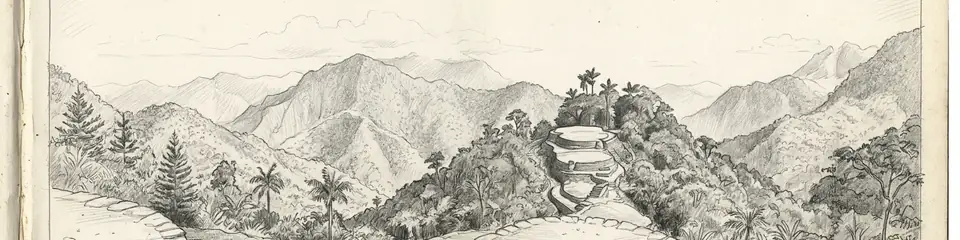
Ciudad Perdida (Spanish: Lost City) clings to the slopes of the Sierra Nevada de Santa Marta in northern Colombia, at an altitude of 800-1300 metres above sea level in some of the densest jungle in South America. Known to its creators as Teyuna, it was founded by the Tayrona people around 800 CE and served as the largest and most important settlement in the region until the Spanish conquest, when it was abandoned in the 16th century following the devastation of the Tayrona population by disease and warfare.
The city is reached after a four-to-six-day trek through jungle and river crossings that has become one of the most celebrated hiking routes in South America. The site itself consists of some 169 terraces cut into the steep hillside, connected by stone paths and staircases, with 35 circular house platforms visible on the main terraces. At its peak the city may have housed between 2,000 and 8,000 people and functioned as the political and ritual capital of a network of settlements across the Sierra Nevada. A sophisticated drainage system of stone-lined channels managed the enormous rainfall of this tropical mountain environment.
The Tayrona did not practice large-scale agriculture but organised a diverse economy of fishing, hunting, gathering, and small-scale cultivation, combined with long-distance trade in gold and other goods. Their gold work — cast figures of animals and humans, and elaborate pectorals — is among the most sophisticated in pre-Columbian South America.
Ciudad Perdida was rediscovered by tomb looters in 1972 and subsequently archaeologically documented by the Colombian government. Four surviving indigenous communities — the Kogi, Arhuaco, Kankuamo, and Wiwa — regard it as a sacred ancestral site and actively participate in its management.