Skip to content
Atlas AnatoliaAtlas Anatolia
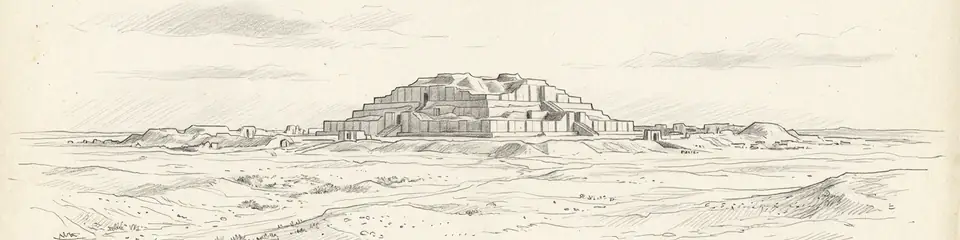
Mud-brick ziggurat of Chogha Zanbil in Khuzestan

Wikimedia Commons (CC BY-SA 4.0)

Continent Record

Oldest Temple in Asia

TempleUNESCOFeatured

Chogha Zanbil

چغازنبیل1250 BCE – 640 BCE

The best-preserved ziggurat of ancient Elam — a mud-brick mountain raised by Untash-Napirisha in the 13th century BCE near Susa — anchors the archaeology of southwestern Iran.

21
Interest 60

Location

Iran

32.01°N · 48.52°E · Asia

Founder

Untash-Napirisha, mid-13th c. BCE

Ancient name

Dur-Untash

Excavated

Ghirshman, 1951–1962

UNESCO

Inscribed 1979

Chogha Zanbil is the most complete surviving ziggurat outside Mesopotamia’s alluvial heartland and the key monumental witness to Middle Elamite state religion.”

Location

Overview

Chogha Zanbil (Dur-Untash) stands in Khuzestan, Iran, about 40 km southeast of Susa. King Untash-Napirisha founded the sacred city in the mid-13th century BCE, dedicating its ziggurat to the gods Inshushinak and Napirisha. The stepped mud-brick tower originally rose in multiple terraces; baked-brick sheathing, glazed decoration, and surrounding temples, palaces, and a protective wall defined a major Elamite cult centre that was never finished to its full planned extent.

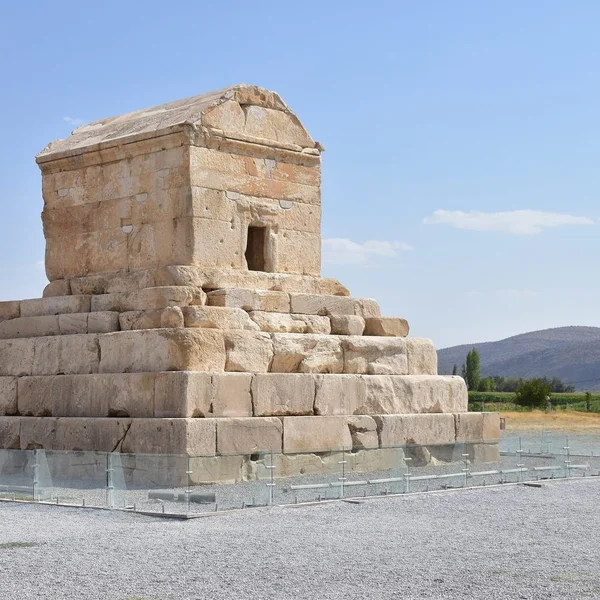
Assyrian campaigns under Ashurbanipal devastated Elam in the 7th century BCE; the site was thereafter largely abandoned and buried until Roman Ghirshman’s excavations (1951–1962) revealed the ziggurat’s plan. UNESCO inscribed Chogha Zanbil in 1979 as Iran’s first World Heritage property. Pair with Susa and Pasargadae for the Elamite-to-Achaemenid arc of southwestern Iranian capitals.
Why It Matters

Chogha Zanbil is the most complete surviving ziggurat outside Mesopotamia’s alluvial heartland and the key monumental witness to Middle Elamite state religion. It shows how Elamite builders adapted Mesopotamian sacred architecture to local materials and politics.

Evidence & Interpretation

Distinguishing what is well-established from what remains debated.

Well-Established Facts

2
  • Elamite brick inscriptions naming Untash-Napirisha and the gods Inshushinak and Napirisha secure the ziggurat’s royal dedication.
  • Ghirshman’s stratified clearance mapped terraces, temples, and the unfinished upper stages of the ziggurat.

Scholarly Inferences

1
  • Abandonment after Assyrian campaigns explains the exceptional survival of mud-brick mass under later desert cover.

More Photos

Community Photos

Share your experience

Have you visited this site? Upload your photos to help others discover it.

How to cite this page

Atlas Anatolia. (1250). Chogha Zanbil. Atlas Anatolia. https://atlasanatolia.com/site/chogha-zanbil

Content licensed CC BY-SA 4.0 — attribution required when reusing.

Sources

  • Tchoga Zanbil (Dur-Untash)Ghirshman, Roman (1966)
  • UNESCO — Tchogha ZanbilLink

Frequently Asked Questions

Where is Chogha Zanbil located?

Chogha Zanbil is located in Iran.

How old is Chogha Zanbil?

Chogha Zanbil dates to approximately 1250 BCE – 640 BCE.

Which civilizations are associated with Chogha Zanbil?

Chogha Zanbil is associated with the Elamite.

Why is Chogha Zanbil important?

Chogha Zanbil is the most complete surviving ziggurat outside Mesopotamia’s alluvial heartland and the key monumental witness to Middle Elamite state religion.

Is Chogha Zanbil a UNESCO World Heritage Site?

Yes — Chogha Zanbil is inscribed as a UNESCO World Heritage Site.

Stay in the loop

One email a month: 1 featured story + 3 archaeological sites. Unsubscribe anytime. We never sell your email.

Atlas AnatoliaAtlas Anatolia

An interactive atlas of the ancient world. Explore archaeological sites, civilizations, monuments, and stories from every continent.

© 2026 Atlas Anatolia. Educational content under CC BY-SA 4.0. Photos credited to their authors (Wikimedia Commons and other open licenses).

Map data © OpenStreetMap contributors