Перейти к содержанию
Atlas Anatolia
НовостиЗубы ледникового периода на Сулавеси отодвигают использование бетеля на 25 000 лет назадРимская мозаика и голова Эрота обнаружены в базилике Помпейополиса, Кастамону
The Great Sphinx of Giza with the Pyramid of Khafre behind, Egypt

Wikimedia Commons (CC BY-SA 3.0)

Continent Record

Oldest Monument in Africa

МонументЮНЕСКОИзбранное

Great Sphinx of Giza

Seyfi Cem Baskin

أبو الهول2558 до н. э. – 2500 до н. э.

The limestone colossus crouched on the Giza plateau — a human-headed lion 73 metres long carved from the living bedrock beside Khafre's pyramid — is among the most searched ancient monuments on Earth and the defining guardian image of pharaonic Egypt.

21
Интерес 88

Местоположение

Египет

29.98°N · 31.14°E · Африка

Length

~73 m; carved from Giza plateau bedrock

Attribution

Usually Khafre (4th Dynasty, c. 26th century BCE)

Height

~20 m to top of nemes headdress

UNESCO

Part of Memphis and its Necropolis — Pyramids Fields (1979)

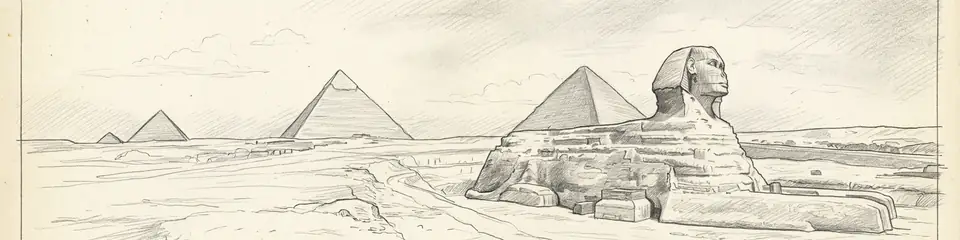
Graphite pencil sketch banner of Great Sphinx of Giza

“The Great Sphinx is the largest monolithic statue surviving from the ancient world and the icon that ties global popular imagination to pharaonic Egypt.”

Местоположение

Обзор

The Great Sphinx lies on the Giza plateau west of the Nile, immediately southeast of the Pyramid of Khafre and north of the causeway linking Khafre's valley temple to his pyramid. Carved from a single limestone outcrop, the creature measures about 73 metres from paw to tail and rises roughly 20 metres to the top of the nemes headdress. A royal beard (fragments now in museums) and the remains of paint on the face show it was once vividly coloured.

Egyptologists generally attribute the monument to the 4th Dynasty pharaoh Khafre (c. 2558–2532 BCE), whose pyramid complex it faces, though alternative attributions to Khufu or Djedefre remain debated. The name "sphinx" is Greek; ancient Egyptians called the figure Hor-em-akhet ("Horus on the horizon"). For much of its history sand buried the body to the neck; systematic clearing began in the 19th century and accelerated under Egyptian and foreign missions in the 20th.

"I am thy father Harmakhis-Khepri-Ra-Atum, who will give thee the kingship upon earth… the sand of the desert upon which I am has nearly buried me."
— Dream Stela of Thutmose IV between the paws of the Sphinx, c. 1401 BCE
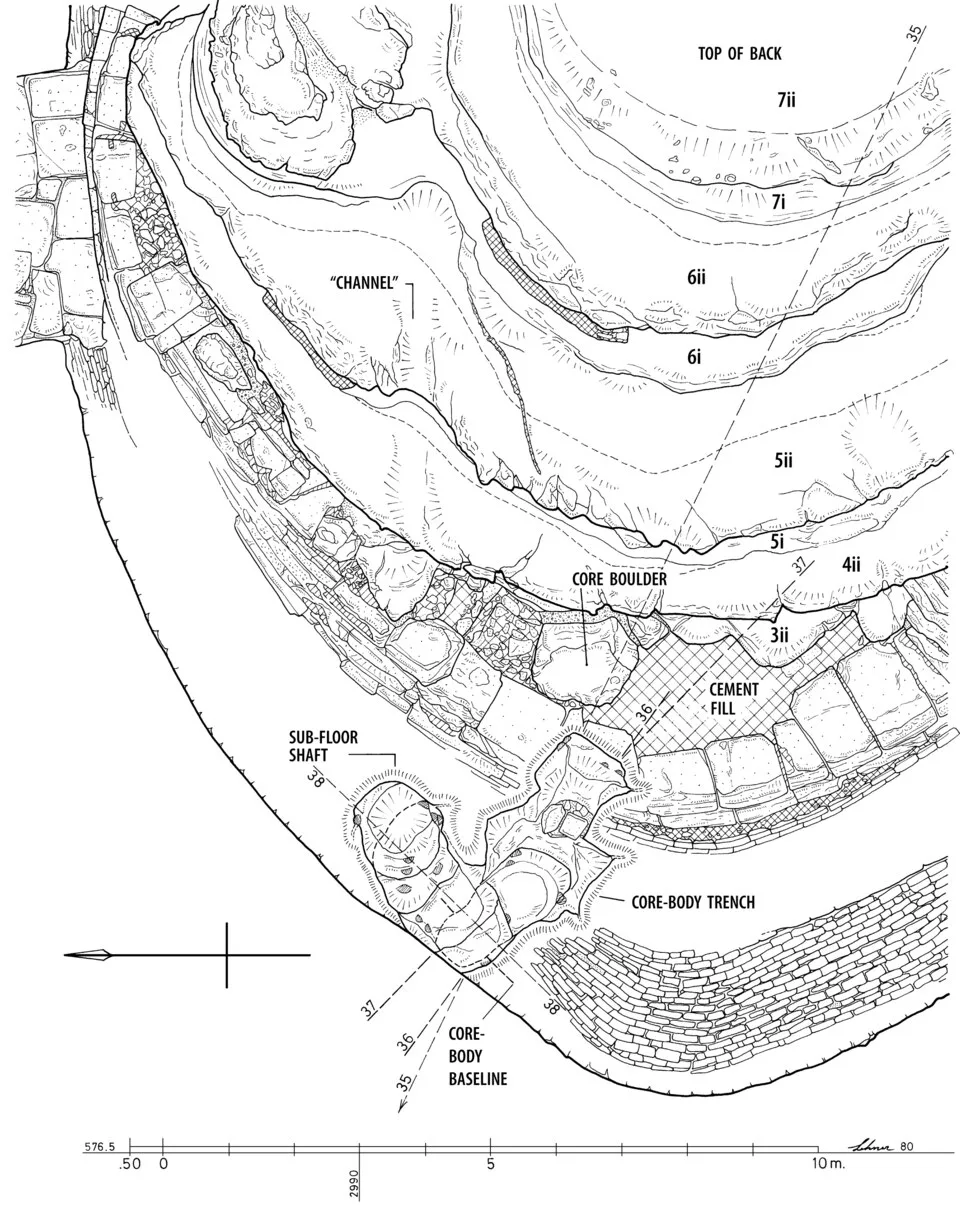
Top-down plan of the rump of the Great Sphinx of Giza
Top-down plan of the rump of the Great Sphinx of Giza | Mark Lehner (CC BY 4.0)
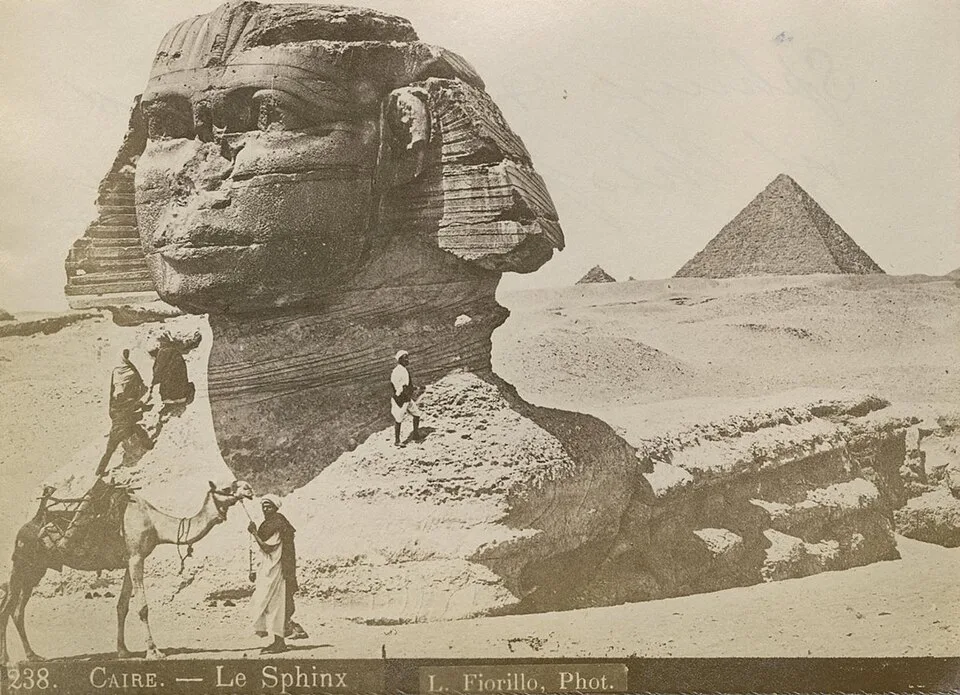
Great Sphinx of Giza in 3-4 profile - DPLA - cc5fbee4d04ddb9a809761682b84d709
Great Sphinx of Giza in 3-4 profile - DPLA - cc5fbee4d04ddb9a809761682b84d709 | Wikimedia Commons (Public domain)
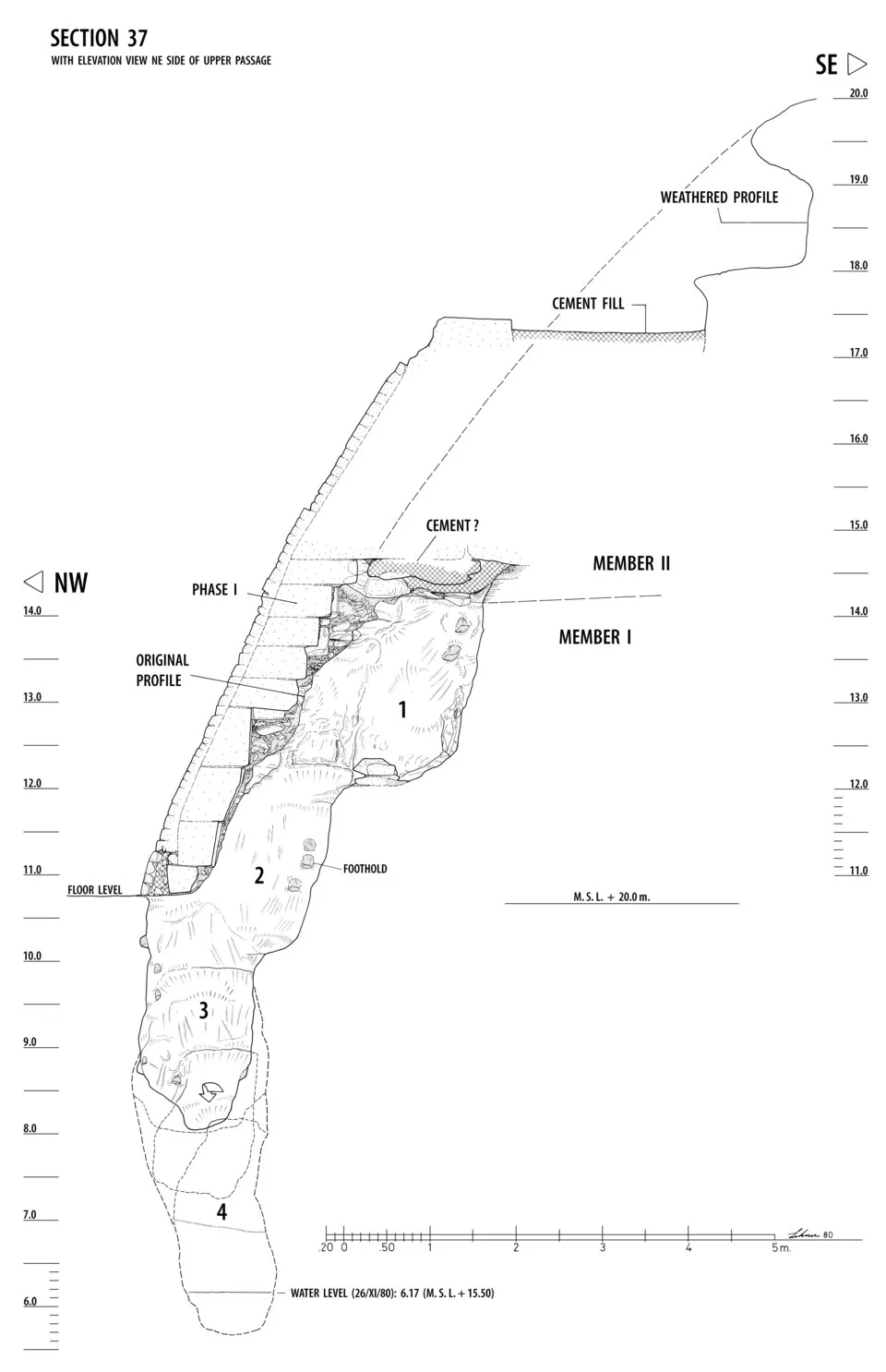
Profile and elevation of rump passage of the Sphinx
Profile and elevation of rump passage of the Sphinx | Mark Lehner (CC BY 4.0)

The Sphinx Enclosure shows deep weathering patterns that have fueled geological debate about age, but mainstream archaeology places the carving in the Old Kingdom. A small temple between the paws (New Kingdom and later) and the Dream Stela of Thutmose IV (c. 1400 BCE) document how later pharaohs claimed legitimacy through the figure. Pair a visit with the Pyramids of Giza and Saqqara to trace Egypt's pyramid age from Djoser to the 4th Dynasty.

Почему это важно

The Great Sphinx is the largest monolithic statue surviving from the ancient world and the icon that ties global popular imagination to pharaonic Egypt. Its placement within Khafre's pyramid complex makes it essential evidence for how Old Kingdom kings fused solar theology, royal portraiture, and landscape sculpture on the Giza necropolis.

Свидетельства и интерпретация

Различать, что хорошо установлено, а что остаётся предметом дискуссий.

Хорошо установленные факты

2
  • The Sphinx sits in direct axial relation to Khafre's pyramid and valley temple; quarry trenches match 4th Dynasty tooling.
  • Thutmose IV's Dream Stela (c. 1401 BCE) between the paws records restoration of sand-buried figure.

Спорные интерпретации

1
  • Alternative builders (Khufu, Djedefre) and fringe "pre-dynastic" age claims remain minority views.

Фотографии сообщества

Поделитесь своими впечатлениями

Вы посещали это место? Загрузите свои фотографии, чтобы помочь другим открыть его для себя.

Как цитировать эту страницу

Atlas Anatolia. (2558). Great Sphinx of Giza. Atlas Anatolia. https://atlasanatolia.com/ru/site/great-sphinx

Материалы распространяются по лицензии CC BY-SA 4.0 — при повторном использовании указание авторства обязательно.

Источники

  • The Complete Pyramids — Lehner, Mark (1997)
  • UNESCO — Memphis and its NecropolisСсылка

Часто задаваемые вопросы

Где находится Great Sphinx of Giza?

Great Sphinx of Giza находится в Egypt.

Сколько лет Great Sphinx of Giza?

Great Sphinx of Giza датируется приблизительно 2558 до н. э. – 2500 до н. э..

С какими цивилизациями связано место Great Sphinx of Giza?

Great Sphinx of Giza связано с цивилизацией: Ancient Egyptian.

Почему Great Sphinx of Giza имеет важное значение?

The Great Sphinx is the largest monolithic statue surviving from the ancient world and the icon that ties global popular imagination to pharaonic Egypt.

Входит ли Great Sphinx of Giza в список Всемирного наследия ЮНЕСКО?

Да — Great Sphinx of Giza включено в список Всемирного наследия ЮНЕСКО.