
Pular para o conteúdo
Atlas Anatolia
NotíciasIce Age teeth in Sulawesi push betel-nut use back as far as 25,000 yearsRoman mosaic and Eros head uncovered in the basilica at Pompeiopolis, Kastamonu
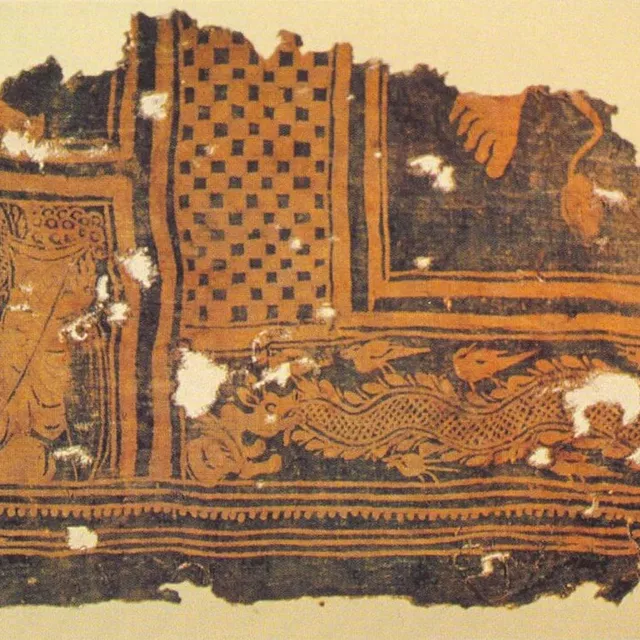
Ancient textile fragment associated with finds from the Niya oasis excavations

Wikimedia Commons

Assentamento

Niya

Seyfi Cem Baskin

尼雅遗址100 a.C. – 500 d.C.

A Silk Road oasis settlement swallowed by desert sands in the southern Tarim Basin — excavated wooden houses, orchards, and bilingual administrative documents that illuminate daily life in the Kroraina (Loulan) cultural sphere under Kushan and Chinese spheres of influence.

21
Interesse 40

Localização

China

37.98°N · 82.72°E · Ásia

Environment

Desert-buried oasis in the southern Taklamakan

Famous excavator

Aurel Stein — wooden houses and Kharoṣṭhī tablets

Documents

Administrative texts in Kharoṣṭhī and Chinese

Cultural sphere

Kroraina (Loulan) / southern Tarim oasis network

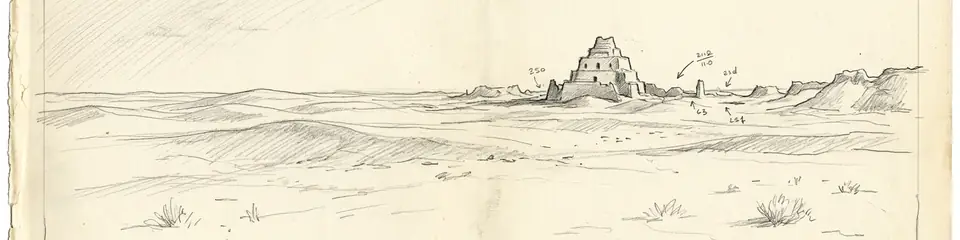
Graphite pencil sketch banner of Niya

“Niya makes the Silk Road concrete: not only caravans and empires, but tax records, marriage contracts, and orchard plots preserved house by house under sand.”

Localização

Visão geral

Niya lies deep in the Taklamakan Desert of southern Xinjiang, roughly along ancient routes between Khotan and Loulan (Kroraina). Once a riverside oasis settlement — identified with Cadota in some Classical and Chinese itineraries — it flourished in the early centuries CE before shifting river courses and dune advance buried houses, orchards, graves, and archives under sand.

Aurel Stein’s early 20th-century excavations famously recovered wooden architecture still standing in the sand, Kharoṣṭhī administrative tablets, Chinese documents, textiles, and everyday artefacts that together form one of the richest “frozen in sand” archives of Inner Asian oasis life. Later Chinese expeditions mapped additional house compounds and cemeteries. Organic preservation — wood, leather, paper — is extraordinary because of extreme aridity.
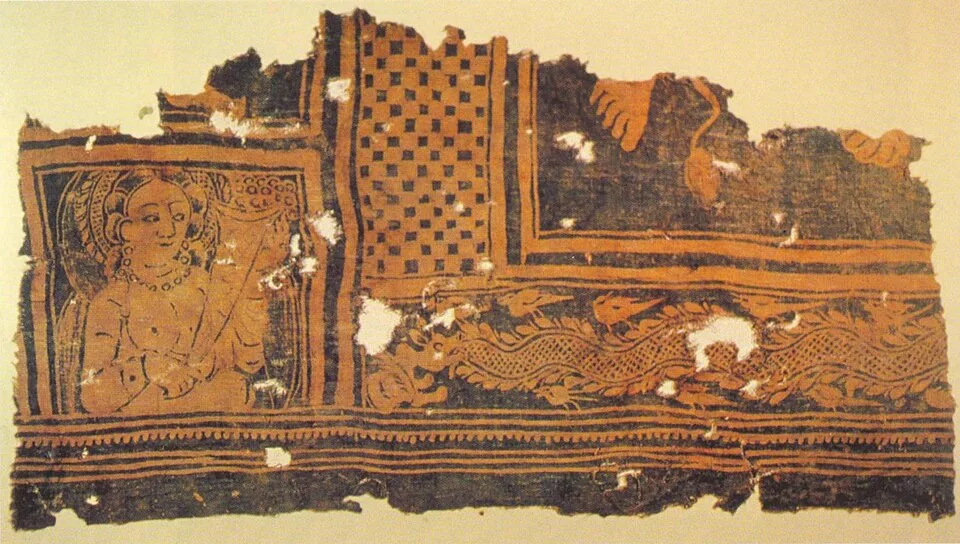
Niya batik
Niya batik | Unknown authorUnknown author (Public domain)
"Wooden houses stand yet in the sand, as though their owners had stepped out for a day; tablets of wood still recite rents, marriages, and the law of Cadota."
— Paraphrase of Aurel Stein's impressions at Niya, early 20th century

Niya’s bilingual paperwork captures a society negotiating Indian scripts and administrative habits with Chinese imperial and local oasis politics — a microcosm of southern Silk Road connectivity.
Por que isso importa

Niya makes the Silk Road concrete: not only caravans and empires, but tax records, marriage contracts, and orchard plots preserved house by house under sand. It is foundational for studying the Kroraina cultural zone and the reach of Kushan-era documentary culture into the Tarim Basin.

Evidências e interpretação

Distinguir o que está bem estabelecido do que permanece em debate.

Fatos bem estabelecidos

2
  • Excavated wooden architecture and stratified finds establish a long-lived oasis settlement abandoned to sand encroachment.
  • Kharoṣṭhī and Chinese documents provide primary administrative evidence for local governance and trade.

Inferências acadêmicas

1
  • Abandonment followed hydrological change and dune advance cutting off reliable river irrigation.

Fotos da comunidade

Compartilhe sua experiência

Você visitou este sítio? Envie suas fotos para ajudar outros a descobri-lo.

Histórias relacionadas

Como citar esta página

Atlas Anatolia. (100). Niya. Atlas Anatolia. https://atlasanatolia.com/pt/site/niya

Conteúdo licenciado sob CC BY-SA 4.0 — atribuição necessária ao reutilizar.

Gráfico

Conexões com sítios e histórias relacionados.

Fontes

  • Ancient Khotan — Stein, M. Aurel (1907)
  • The Silk Road: A New History — Hansen, Valerie (2012)

Perguntas frequentes

Onde fica Niya?

Niya está localizado em China.

Qual é a antiguidade de Niya?

Niya data de aproximadamente 100 a.C. – 500 d.C..

Quais civilizações estão associadas a Niya?

Niya está associado à civilização Han, Kroraina (Loulan).

Por que Niya é importante?

Niya makes the Silk Road concrete: not only caravans and empires, but tax records, marriage contracts, and orchard plots preserved house by house under sand.

Niya é um Patrimônio Mundial da UNESCO?

Niya não está atualmente inscrito na Lista do Patrimônio Mundial da UNESCO.