
Pular para o conteúdo
Atlas Anatolia
NotíciasIce Age teeth in Sulawesi push betel-nut use back as far as 25,000 yearsRoman mosaic and Eros head uncovered in the basilica at Pompeiopolis, Kastamonu
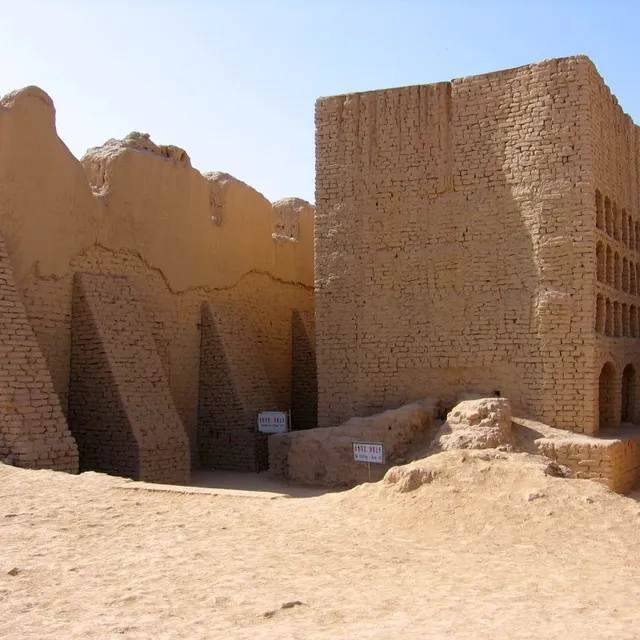
Massive mud-brick city walls of the Gaochang ruins near Turpan, Xinjiang

Wikimedia Commons

Country Record

Known by the Most Names in China

CidadeUNESCO

Gaochang

Seyfi Cem Baskin

高昌故城100 d.C. – 1300 d.C.

Vast mud-brick ruins of the oasis capital east of Turpan — known as Gaochang in Chinese sources and Qocho/Khocho under the Uyghur kingdom — a Buddhist then Manichaean–Buddhist Silk Road metropolis with city walls still delineating a huge urban footprint in the desert.

21
Interesse 52

Localização

China

42.85°N · 89.53°E · Ásia

Alt names

Qocho / Khocho — Uyghur Idiqut capital

Religions

Buddhism and Manichaeism prominent in Uyghur period

Related cemeteries

Astana and Karakhoja — dry-preserved manuscripts and textiles

Walls

Mud-brick enceinte enclosing ~2 km² urban area

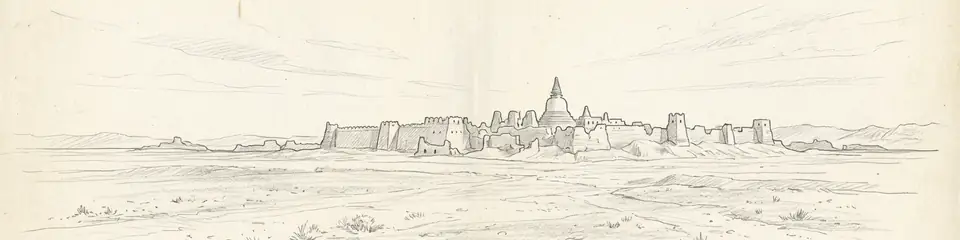
Graphite pencil sketch banner of Gaochang

“Gaochang is the type-site for the Uyghur Kingdom of Qocho — a Central Asian Buddhist (and Manichaean) civilisation bridging Tang China, Sogdian commerce, and Turkic steppe politics.”

Localização

Visão geral

Gaochang lies about 30 kilometres southeast of Turpan on the northern edge of the Taklamakan desert fringe. Successive oasis polities used the site from at least the early centuries CE; under the Tang dynasty it was a prefectural seat, and from the mid–9th to 13th centuries it flourished as capital of the Uyghur Kingdom of Qocho (Idiqut), a major Silk Road power practising Buddhism and, for a time prominently, Manichaeism.

The surviving enceinte of massive mud-brick walls encloses an urban area of roughly two square kilometres with inner citadel, palace areas, and temple compounds. Nearby Astana and Karakhoja cemeteries produced famous dry-preserved texts, silks, and food offerings that illuminate daily life and multilingual literacy (Chinese, Old Uyghur, Iranian languages). Albert von Le Coq and other early explorers published murals and manuscripts from Gaochang’s temples — many now in European museums — before Chinese archaeological teams undertook systematic protection.
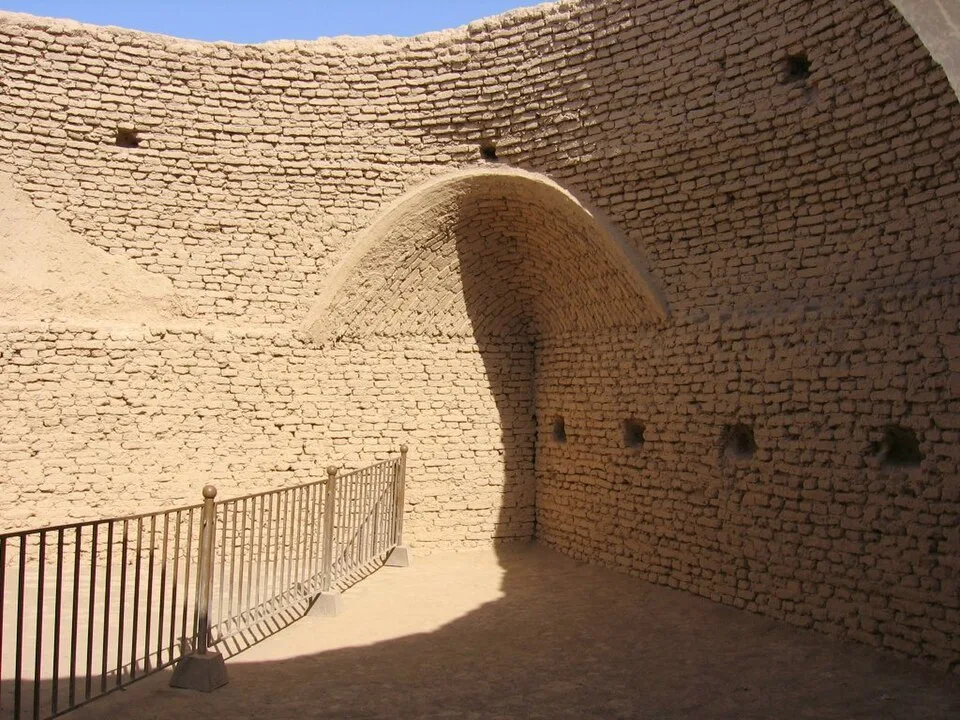
Turpan-gaochang-d11
Turpan-gaochang-d11 | Colegota (CC BY-SA 2.5 es)
"Gaochang was a great city of walls and temples where Uighur kings ruled as Idiquts, and the doctrines of the Buddha and of Mani were both known among its people."
— Composite from Tang and Uyghur historical notices of Qocho

Gaochang and Jiaohe together define the Turpan oasis’s twin urban poles: Jiaohe as earlier plateau fortress-capital, Gaochang as sprawling desert-plain capital of later Silk Road empires.
Por que isso importa

Gaochang is the type-site for the Uyghur Kingdom of Qocho — a Central Asian Buddhist (and Manichaean) civilisation bridging Tang China, Sogdian commerce, and Turkic steppe politics. Its cemeteries and temple art preserved parchment-dry manuscripts that transformed study of Tocharian, Old Uyghur, and Silk Road religion.

Evidências e interpretação

Distinguir o que está bem estabelecido do que permanece em debate.

Fatos bem estabelecidos

2
  • Standing walls and excavated temple/residential quarters establish a major oasis capital lasting into the Mongol era.
  • Cemetery and temple finds demonstrate multilingual literacy and Buddhist–Manichaean practice.

Inferências acadêmicas

1
  • Gaochang’s size and sacred architecture imply command of Turpan oasis agricultural surplus and caravan tolls.

Fotos da comunidade

Compartilhe sua experiência

Você visitou este sítio? Envie suas fotos para ajudar outros a descobri-lo.

Histórias relacionadas

Como citar esta página

Atlas Anatolia. (100). Gaochang. Atlas Anatolia. https://atlasanatolia.com/pt/site/gaochang

Conteúdo licenciado sob CC BY-SA 4.0 — atribuição necessária ao reutilizar.

Gráfico

Conexões com sítios e histórias relacionados.

Fontes

  • The Silk Road: A New History — Hansen, Valerie (2012)
  • Buried Treasures of Chinese Turkestan — von Le Coq, Albert (1928)

Perguntas frequentes

Onde fica Gaochang?

Gaochang está localizado em China.

Qual é a antiguidade de Gaochang?

Gaochang data de aproximadamente 100 d.C. – 1300 d.C..

Quais civilizações estão associadas a Gaochang?

Gaochang está associado à civilização Tang, Uyghur Kingdom of Qocho.

Por que Gaochang é importante?

Gaochang is the type-site for the Uyghur Kingdom of Qocho — a Central Asian Buddhist (and Manichaean) civilisation bridging Tang China, Sogdian commerce, and Turkic steppe politics.

Gaochang é um Patrimônio Mundial da UNESCO?

Sim — Gaochang está inscrito na Lista do Patrimônio Mundial da UNESCO.