
콘텐츠로 건너뛰기
Atlas Anatolia
디그
뉴스술라웨시 빙하기 치아에서 빈랑 사용 25,000년 전까지 소급카스타모누 폼페이오폴리스 바실리카에서 로마 모자이크와 에로스 두상 발견
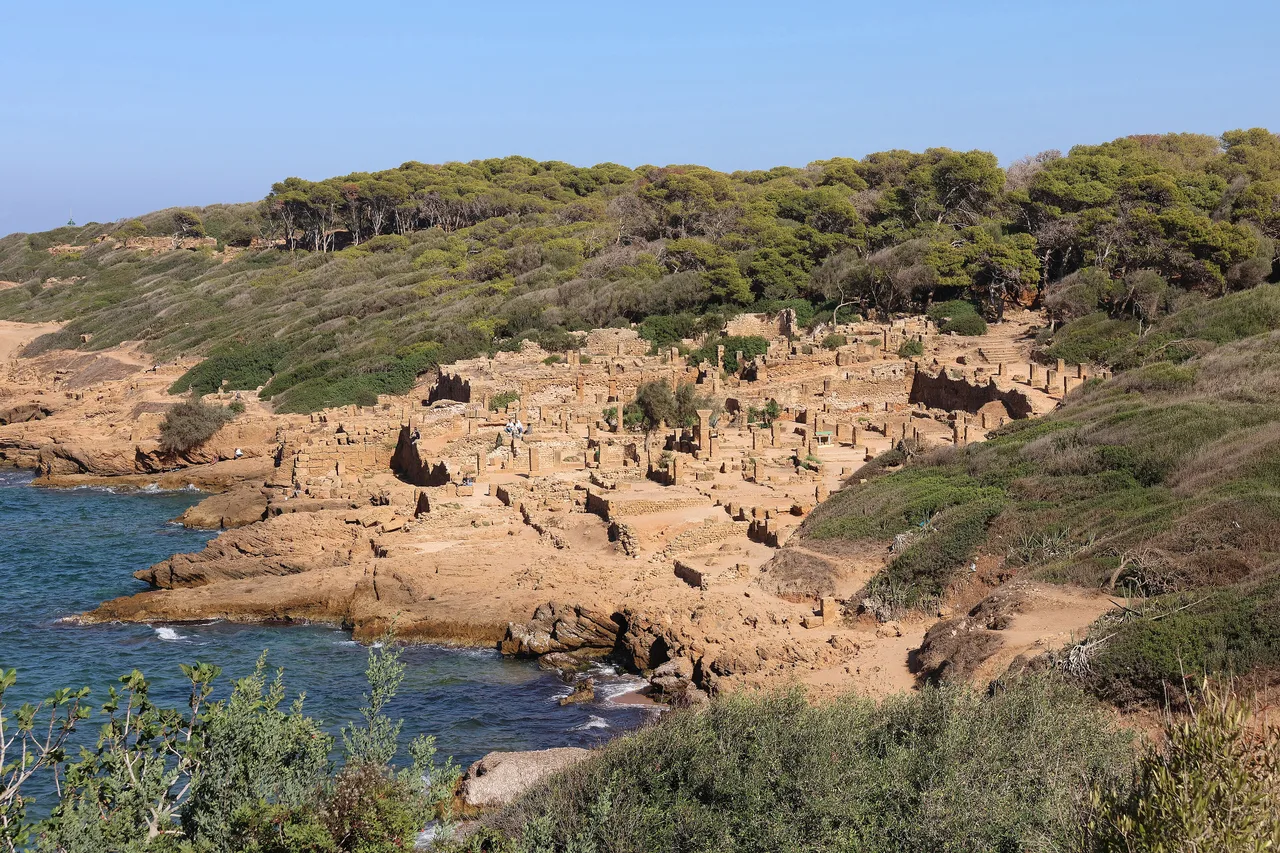
Roman ruins and early Christian basilica overlooking the Mediterranean at Tipasa, Algeria

Wikimedia Commons

Continent Record

Northernmost Known Site in Africa

도시유네스코

Tipasa

Seyfi Cem Baskin

300 기원전 – 430 서기

A hauntingly beautiful ruin field stretching along the Algerian Mediterranean coast — a Phoenician trading post turned Roman colonial city whose theatres, basilicas, and royal mausoleum overlook the sea and inspired Albert Camus's famous essays on light and mortality.

31
관심 49

위치

알제리

36.59°N · 2.45°E · 아프리카

Origins

Phoenician/Punic trading post; Roman colony from 46 CE

Setting

Coastal promontory with ruins stretching to the sea

Key monument

Mausoleum of Juba II and Cleopatra Selene II (61 m diameter)

Literary fame

Setting of two essays by Albert Camus (1938, 1952)

UNESCO

World Heritage Site 1982

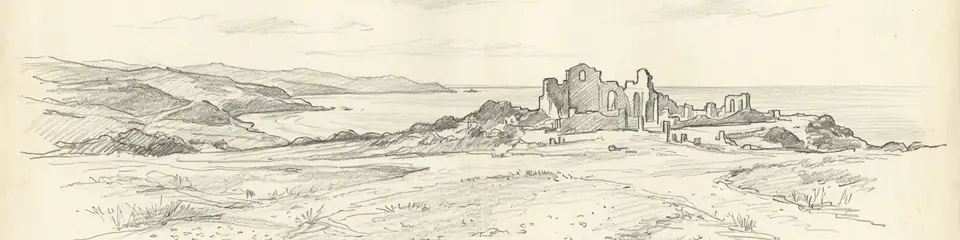
Graphite pencil sketch banner of Tipasa

“Tipasa is one of the best-preserved and most atmospherically situated Roman ruins in North Africa, distinguished by its coastal location and its palimpsest of Phoenician, Roman, and early Christian occupation.”

위치

개요

Tipasa stands on a rocky promontory jutting into the Mediterranean on the Algerian coast, roughly 70 kilometres west of Algiers. Originally a Phoenician and later Punic trading settlement, it was elevated to a Roman colony under the Emperor Claudius in 46 CE and developed into a prosperous provincial town — one of the few Roman cities in North Africa laid out on a coastal rather than inland site.

The ruins stretch along the cliff edge above the sea: a forum, large basilica, theatre, temples, bath-houses, and extensive early Christian cemeteries line the coastal path. At the edge of the site rises the Great Mausoleum — a massive circular funerary monument 61 metres in diameter and 32 metres tall, believed to be the tomb of the Berber king Juba II and his wife Cleopatra Selene II (daughter of Mark Antony and Cleopatra of Egypt).

Tipasa was sacked by the Vandals in the 5th century, rebuilt under Byzantine rule, and abandoned in the early Islamic period. The writer Albert Camus, who grew up nearby, wrote two celebrated essays ("Nuptials at Tipasa", 1938; "Return to Tipasa", 1952) that use the ruins to meditate on beauty, the absurd, and the Mediterranean light — making the site one of the most literary of all ancient ruins. UNESCO inscribed it in 1982.

중요성

Tipasa is one of the best-preserved and most atmospherically situated Roman ruins in North Africa, distinguished by its coastal location and its palimpsest of Phoenician, Roman, and early Christian occupation. Its Mausoleum links Roman imperial history to indigenous North African royalty in a single monument. Beyond archaeology, Tipasa holds a unique place in world literature. Albert Camus returned to it throughout his life and wrote some of his most lyrical prose about its ruins, making it a pilgrimage site for readers of existentialist literature. The combination of extraordinary ancient remains and living literary significance makes Tipasa unlike almost any other archaeological site in the world.

증거와 해석

확립된 사실과 논쟁 중인 사항을 구분합니다.

잘 확립된 사실

3
  • Inscriptions and architectural analysis confirm elevation to Roman colonia under Claudius (41-54 CE); forum, basilica, and theatre ruins are datable to the 1st-3rd centuries CE.
  • The Great Mausoleum is attributed to Juba II (king of Mauretania, 25 BCE-23 CE) and his wife Cleopatra Selene by ancient sources and architectural parallels with known Numidian royal tombs.
  • Extensive early Christian cemeteries and basilicas indicate a significant Christian community by the 3rd century CE; Donatist schism records mention the bishop of Tipasa.

학술적 추론

1
  • Phoenician/Punic settlement predating the Roman colony is inferred from ancient sources (Strabo) and sporadic finds of pre-Roman pottery; no large Punic structures have been excavated.

커뮤니티 사진

당신의 경험을 공유하세요

이 유적지를 방문하셨나요? 다른 탐험가들을 위해 사진을 업로드해 보세요.

이 페이지 인용 방법

Atlas Anatolia. (300). Tipasa. Atlas Anatolia. https://atlasanatolia.com/ko/site/tipasa

콘텐츠는 CC BY-SA 4.0 라이선스에 따라 제공됩니다 — 재사용 시 출처 표시가 필요합니다.

출처

  • Nuptials (Noces) — Camus, Albert (1938)
  • Caesarea de Mauretanie: une ville romaine et ses campagnes — Leveau, Philippe (1984)

자주 묻는 질문

Tipasa은(는) 어디에 위치해 있나요?

Tipasa은(는) Algeria에 위치해 있습니다.

Tipasa의 연대는 언제인가요?

Tipasa의 연대는 대략 300 기원전 – 430 서기로 거슬러 올라갑니다.

Tipasa과(와) 관련된 고대 문명은 무엇인가요?

Tipasa은(는) Roman 문명과 관련이 있습니다.

Tipasa이(가) 중요한 이유는 무엇인가요?

Tipasa is one of the best-preserved and most atmospherically situated Roman ruins in North Africa, distinguished by its coastal location and its palimpsest of Phoenician, Roman, and early Christian occupation.

Tipasa은(는) 유네스코 세계유산인가요?

예 — Tipasa은(는) 유네스코 세계유산으로 등재되어 있습니다.