
콘텐츠로 건너뛰기
Atlas Anatolia
디그
뉴스술라웨시 빙하기 치아에서 빈랑 사용 25,000년 전까지 소급카스타모누 폼페이오폴리스 바실리카에서 로마 모자이크와 에로스 두상 발견
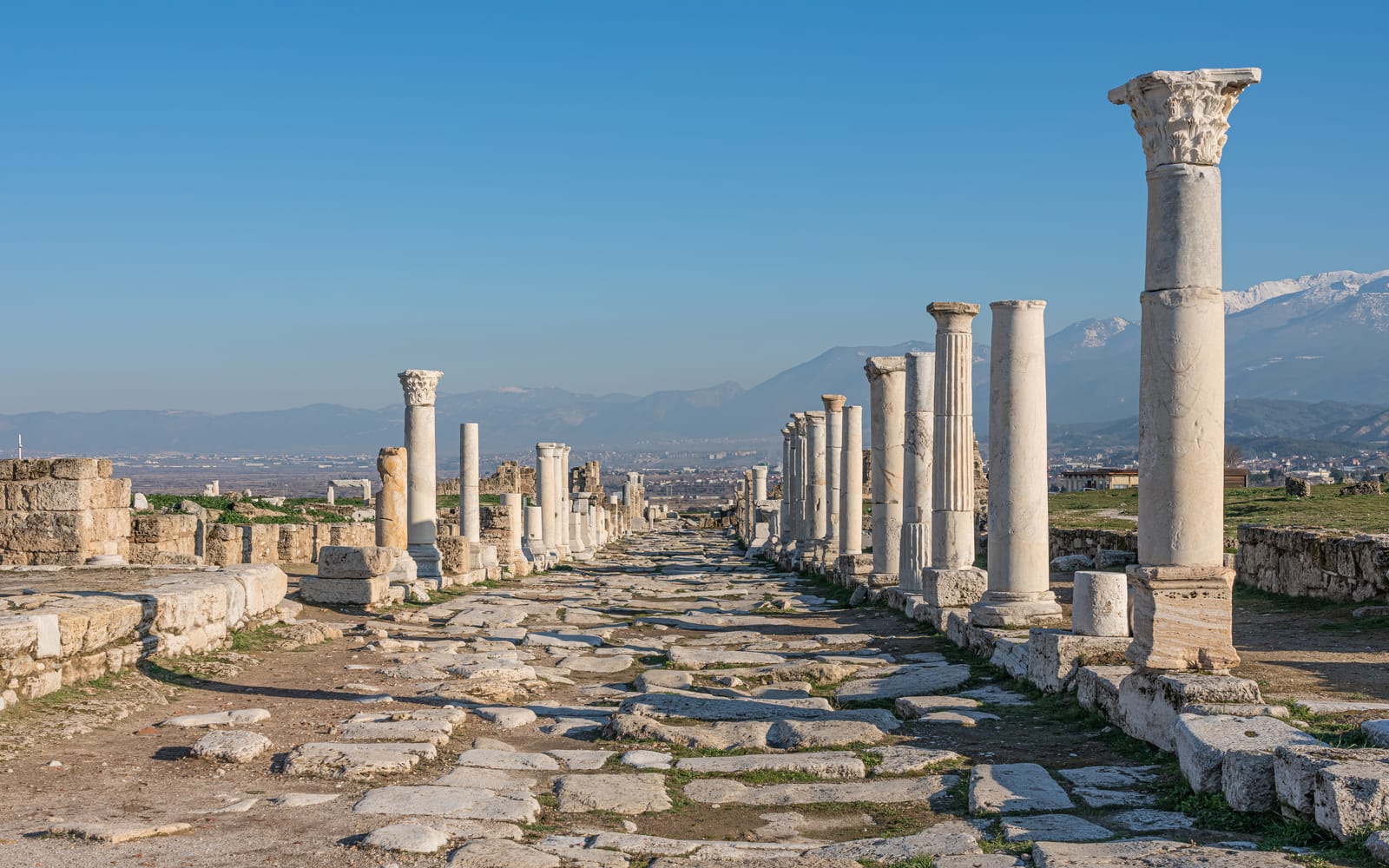
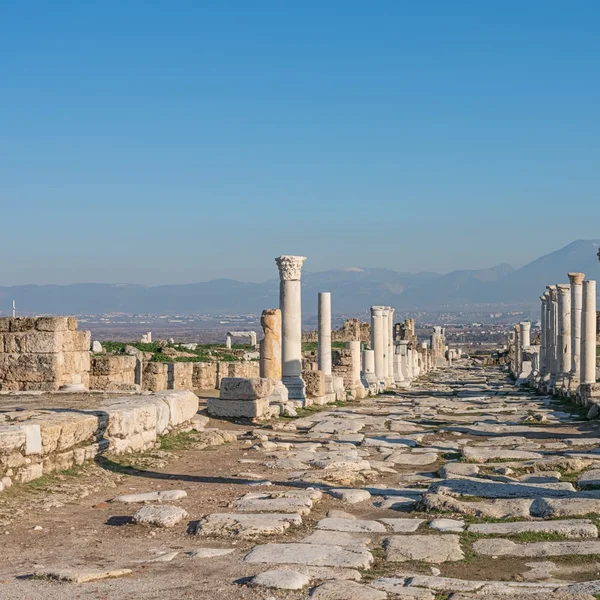
Ancient street and columns at Laodikeia archaeological site

Wikimedia Commons (CC BY-SA)

도시

Laodikeia

Seyfi Cem Baskin

Laodikya260 기원전 – 1200 서기

One of the Seven Churches of the Book of Revelation, this wealthy Roman trading city in the Lycus Valley rivaled nearby Hierapolis and Colossae. Recent excavations have revealed one of the largest ancient stadiums and a massive sacred agora.

411
관심 58

위치

Denizli · Aegean · 튀르키예

37.84°N · 29.11°E · 아시아

Biblical Status

One of Seven Churches of Revelation

Stadium Length

280+ meters

Famous Products

Black wool, eye salve (Phrygian powder)

Wealth

Self-funded earthquake rebuilding (Tacitus)

Sacred Agora Size

Approximately 35,000 square meters, one of the largest in Anatolia, excavated under Prof. Dr. Celal Şimşek.

Major Earthquake

Devastating earthquake in 60 CE, as recorded by Tacitus, after which the city famously refused imperial aid for reconstruction.

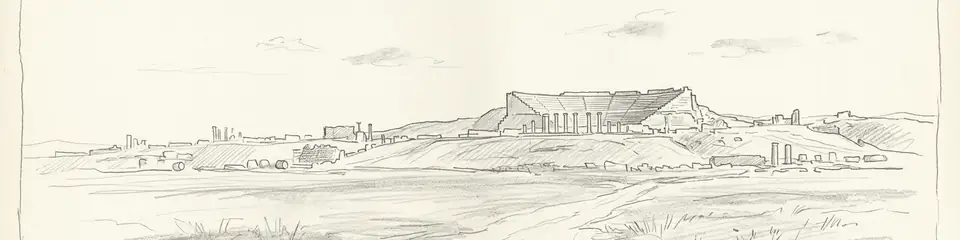
Graphite pencil sketch banner of Laodikeia

“Laodikeia's dual significance lies in its role as a major Roman commercial center and as one of the earliest Christian communities.”

위키백과에서

Laodicea on the Lycus was a major Hellenistic and Roman city in western Turkey, one of the Seven Churches of the Book of Revelation.

위키백과에서 전체 기사 읽기 →

위치

개요

Laodikeia on the Lycus was one of the wealthiest cities in Roman Asia Minor, positioned at the strategic junction of major trade routes in the Lycus Valley of western Turkey. Founded in the mid-3rd century BCE by Seleucid king Antiochus II and named for his wife Laodice, the city prospered through banking, textile production (famous for its glossy black wool), and pharmaceutical manufacturing (particularly the "Phrygian powder" eye salve).

The city is one of the Seven Churches addressed in the Book of Revelation (3:14-22), where it is rebuked for being "lukewarm" — neither hot nor cold. This metaphor may reference the city's water supply: piped in from hot springs near Hierapolis and cool springs from Colossae, the water arrived at Laodikeia tepid and mineral-laden.

"I know your works: you are neither cold nor hot. Would that you were cold or hot! So, because you are lukewarm, I will spit you out of my mouth."
— Book of Revelation (c. 95 AD)

Recent Turkish excavations since 2003 have transformed understanding of the site. The stadium, one of the largest in Anatolia at over 280 meters long, has been partially uncovered. A massive sacred agora, two theatres, a nymphaeum, a bouleuterion, and multiple church structures dating to the early Byzantine period have been revealed. The Laodikeia Church, discovered in 2010, contains well-preserved floor mosaics and is among the oldest identified church buildings in western Turkey.

The city was destroyed by earthquakes in the 1st century CE but was so wealthy that it declined Roman financial assistance for rebuilding, funding the reconstruction entirely from its own resources — a fact noted with admiration by Tacitus.
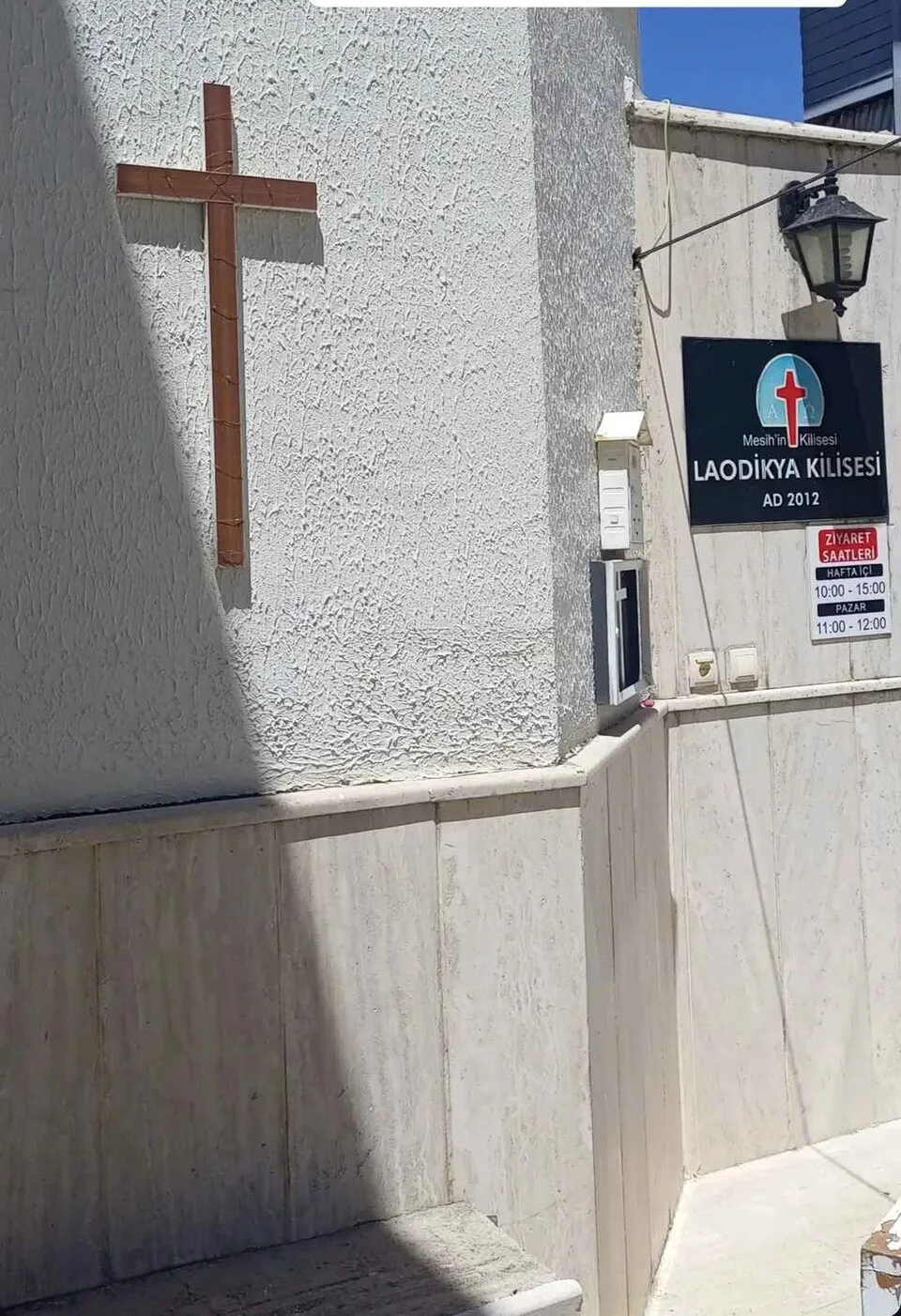
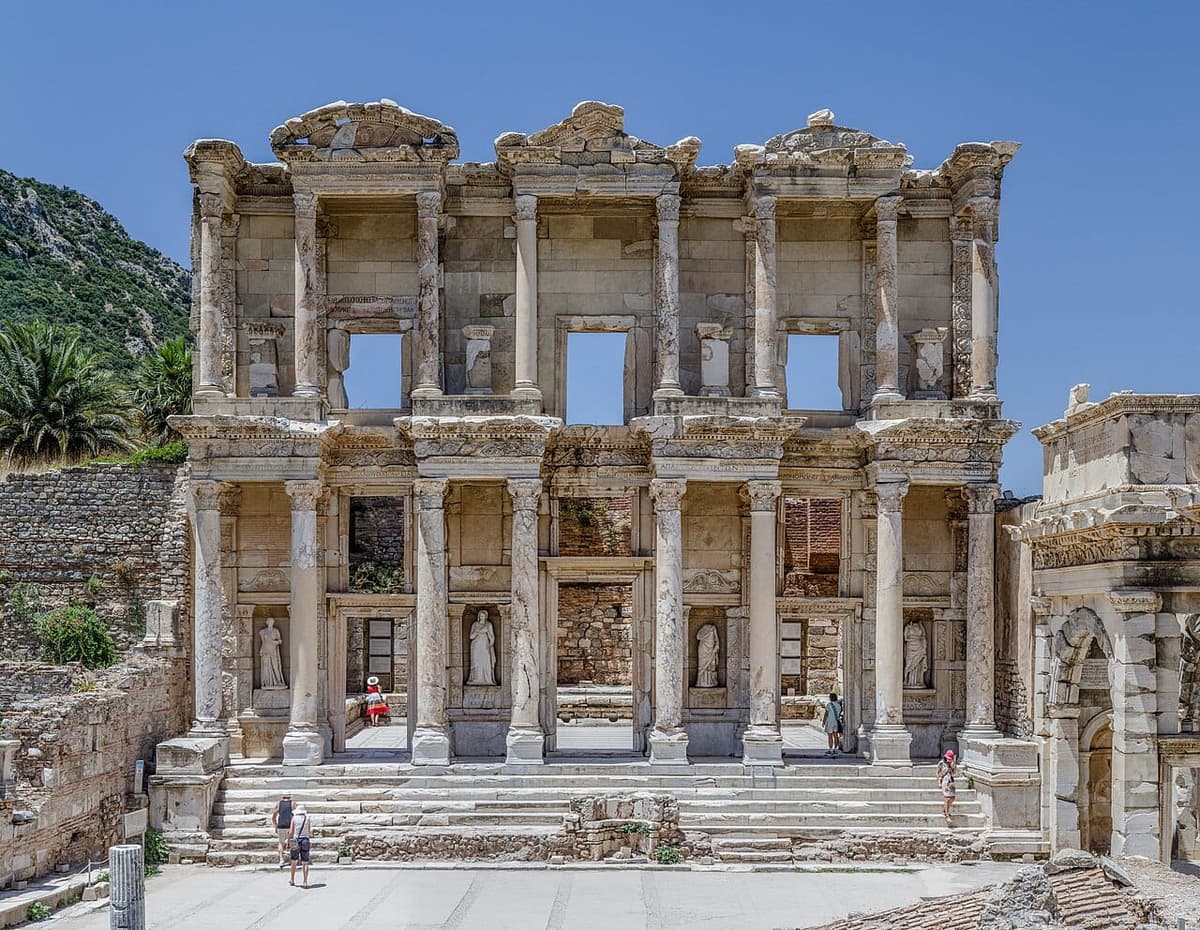
Laodikya Kilisesi Denizli
Laodikya Kilisesi Denizli | Lotus0888 (CC0)

중요성

Laodikeia's dual significance lies in its role as a major Roman commercial center and as one of the earliest Christian communities. The letter to Laodikeia in Revelation provides a vivid portrait of a prosperous city whose material success the author viewed as spiritually dangerous. The ongoing excavations are among the most productive in Turkey, revealing new structures every season. The site offers a rare opportunity to study a wealthy Roman-Byzantine city where both pagan and Christian phases are preserved, providing evidence for the transformation of Roman civic culture under early Christianity.

증거와 해석

확립된 사실과 논쟁 중인 사항을 구분합니다.

잘 확립된 사실

4
  • Laodikeia is addressed as one of the Seven Churches in the Book of Revelation (3:14-22), where it is criticized for being "lukewarm."
  • Tacitus (Annals XIV.27) records that Laodikeia rebuilt from a devastating earthquake without accepting Roman imperial assistance, funding reconstruction from its own wealth.
  • Archaeological evidence confirms Laodikeia was a major center for textile production, with numerous dyeing and fulling installations discovered on site.
  • Excavations led by Prof. Dr. Celal Şimşek have uncovered a monumental nymphaeum (fountain) and a water distribution tower, confirming the advanced Roman-era pressurized water supply system described in ancient sources.

학술적 추론

1
  • The "lukewarm" metaphor in Revelation may refer to the city's water supply, which arrived tepid after being piped from distant hot and cold springs.

논쟁 중인 해석

1
  • Whether the "Laodicean Church" discovered in 2010 is directly connected to the biblical community of Revelation remains a matter of scholarly interpretation.

발견과 발굴

1898

First excavations

French archaeologists conducted initial surveys and small-scale excavations.

2003

Major Turkish excavations begin

지휘 Celal Simsek

Celal Simsek of Pamukkale University initiated comprehensive excavations that transformed knowledge of the site.

2010

Church discovery

One of the oldest identified church buildings in western Turkey was uncovered, with preserved floor mosaics.

2015–2020

Stadium and agora excavations

Extensive work on the stadium, sacred agora, and water distribution system.

커뮤니티 사진

당신의 경험을 공유하세요

이 유적지를 방문하셨나요? 다른 탐험가들을 위해 사진을 업로드해 보세요.

관련 이야기

이 페이지 인용 방법

Atlas Anatolia. (260). Laodikeia. Atlas Anatolia. https://atlasanatolia.com/ko/site/laodikeia

콘텐츠는 CC BY-SA 4.0 라이선스에 따라 제공됩니다 — 재사용 시 출처 표시가 필요합니다.

그래프

관련 유적지와 스토리로의 연결.

World History Encyclopedia에서 전체 기사 읽기
World History Encyclopedia · CC BY-NC-SA

출처

  • Laodikeia on the Lycus: Recent Research and Finds — Celal Simsek (2013)
  • The Seven Churches of Asia — Mark Wilson (2019)
  • Laodikeia Excavations — Pamukkale University링크

자주 묻는 질문

Laodikeia은(는) 어디에 위치해 있나요?

Laodikeia은(는) Denizli, Aegean, Türkiye에 위치해 있습니다.

Laodikeia의 연대는 언제인가요?

Laodikeia의 연대는 대략 260 기원전 – 1200 서기로 거슬러 올라갑니다.

Laodikeia과(와) 관련된 고대 문명은 무엇인가요?

Laodikeia은(는) Greek, Roman, Byzantine, Early Christian 문명과 관련이 있습니다.

Laodikeia이(가) 중요한 이유는 무엇인가요?

Laodikeia's dual significance lies in its role as a major Roman commercial center and as one of the earliest Christian communities.

Laodikeia은(는) 유네스코 세계유산인가요?

Laodikeia은(는) 현재 유네스코 세계유산 목록에 등재되어 있지 않습니다.