
콘텐츠로 건너뛰기
Atlas Anatolia
디그
뉴스술라웨시 빙하기 치아에서 빈랑 사용 25,000년 전까지 소급카스타모누 폼페이오폴리스 바실리카에서 로마 모자이크와 에로스 두상 발견
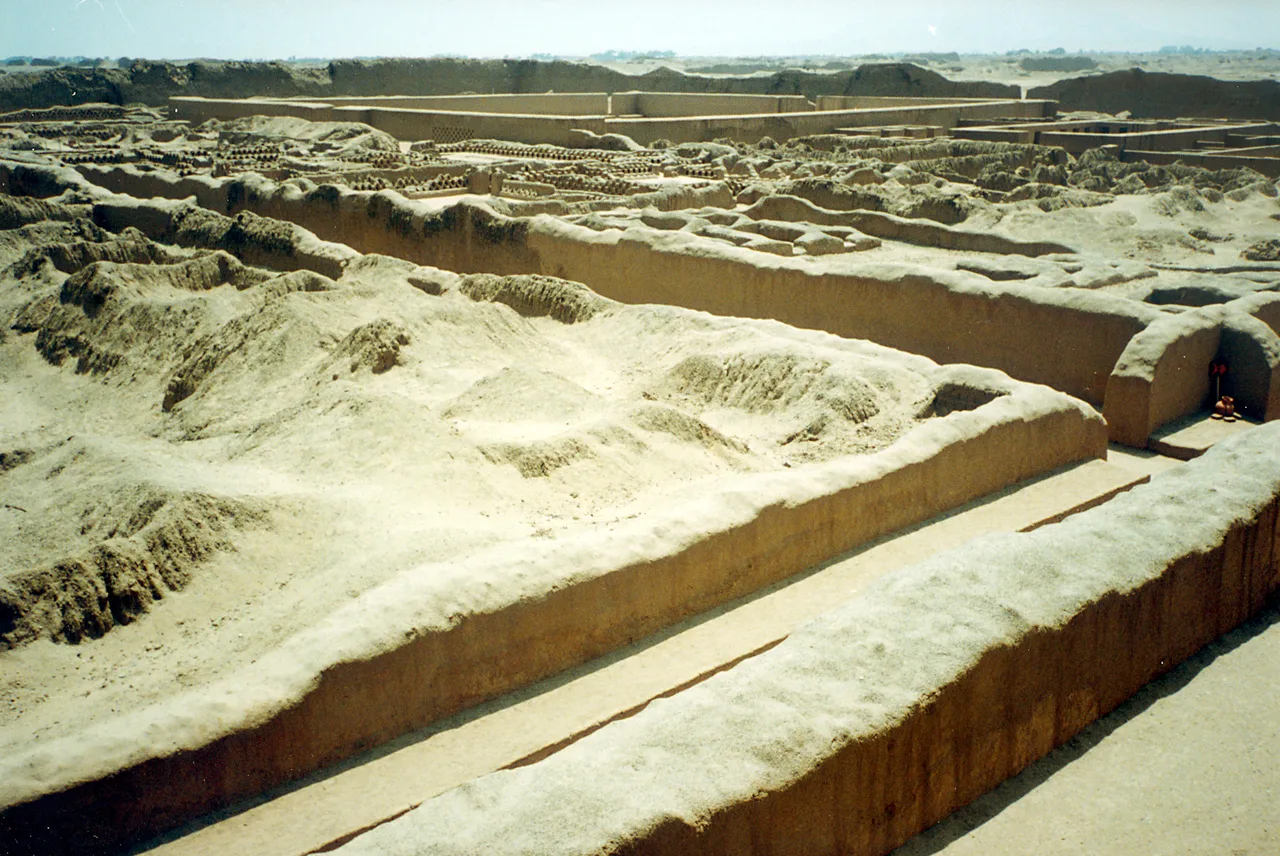
The adobe relief walls of Chan Chan's Tschudi Complex showing zoomorphic patterns

Wikimedia Commons

Country Record

Oldest City in Peru

도시유네스코주요

Chan Chan

Seyfi Cem Baskin

900 서기 – 1470 서기

The largest pre-Columbian city in South America and capital of the Chimú Empire — a 20 km² adobe metropolis on the Peruvian coast built c. 900 CE, whose extraordinary mud-relief walls are slowly dissolving in El Niño rains.

3
관심 57

위치

페루

8.11°S · 79.08°W · 남아메리카

Area

20 km² (largest pre-Columbian city)

Ciudadelas (royal compounds)

9

Population (peak)

30,000–40,000

Irrigation canals

80 km, connecting two river valleys

Conquered by Inca

c. 1470 CE

UNESCO

World Heritage Site since 1986; also listed as In Danger

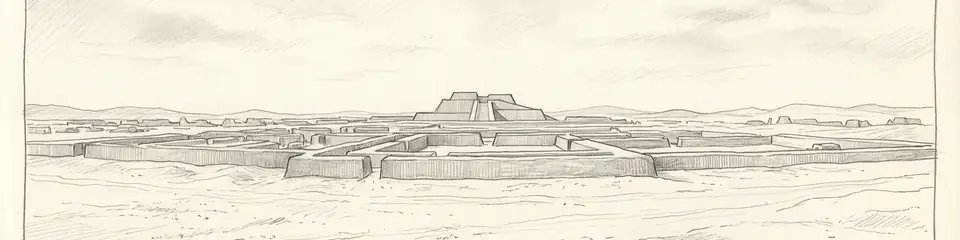
Graphite pencil sketch banner of Chan Chan

“Chan Chan is the apex achievement of adobe architecture anywhere in the world: the largest pre-Columbian city, entirely built in sun-dried mud brick, in a desert climate that has allowed extraordinary preservation.”

위치

개요

Chan Chan occupies 20 km² in the coastal desert of La Libertad, Peru, 5 km west of Trujillo on the floodplain of the Moche River. At its height between c. 900 and 1470 CE, it was the capital of the Chimú Empire, which controlled 1,000 km of Pacific coastline and was the largest political entity in the Americas before the Inca conquest. The city's layout is unlike any other pre-Columbian urban center: nine large walled compounds (ciudadelas) — ranging from 175 × 175 m to 600 × 400 m — each served as the royal palace and burial complex of a different Chimú king. When a king died, his compound was sealed as his mausoleum and his successors built a new one. The ciudadelas contain elaborate wells, warehouses, courts, and platforms, all built in adobe mud brick and covered with intricate relief decorations of fish, birds, sea mammals, and geometric patterns — constituting one of the largest concentrations of representational art in South America. Between the ciudadelas lie irregular urban zones housing craftsmen, farmers, and merchants. The total population of Chan Chan has been estimated at 30,000–40,000.
중요성

Chan Chan is the apex achievement of adobe architecture anywhere in the world: the largest pre-Columbian city, entirely built in sun-dried mud brick, in a desert climate that has allowed extraordinary preservation. The Chimú were master hydraulic engineers, diverting water from two distant river valleys (Moche and Chicama) via 80 km of canals to irrigate fields supporting the city — a feat not matched in South America until modern infrastructure. The relief patterns adorning the ciudadela walls are among the most varied and intricate decorative programs in pre-Columbian art. But Chan Chan is also on UNESCO's List of World Heritage in Danger: El Niño rainfall events in 1983, 1998, and 2017 caused severe erosion of the mud reliefs, and rising groundwater from modern agriculture is undermining foundations. The city that survived five centuries is being dissolved in decades.

증거와 해석

확립된 사실과 논쟁 중인 사항을 구분합니다.

잘 확립된 사실

3
  • Archaeological survey has identified nine ciudadelas, each with a T-shaped burial platform containing a royal interment and multiple sacrificial burials — typically young women aged 15–25, consistent with the "split inheritance" succession system described in colonial Spanish sources.
  • The Intervalley Canal system connecting the Chicama and Moche rivers was ~80 km in total length and raised water an estimated 11 m through a combination of gradient management and counter-slope canals — the most sophisticated irrigation engineering in pre-Columbian South America.
  • Dendrochronology and AMS radiocarbon dating of wood architectural elements and organic materials from the ciudadelas establishes occupation from c. 900–950 CE through the Inca conquest c. 1470 CE.

커뮤니티 사진

당신의 경험을 공유하세요

이 유적지를 방문하셨나요? 다른 탐험가들을 위해 사진을 업로드해 보세요.

관련 이야기

이 페이지 인용 방법

Atlas Anatolia. (900). Chan Chan. Atlas Anatolia. https://atlasanatolia.com/ko/site/chan-chan

콘텐츠는 CC BY-SA 4.0 라이선스에 따라 제공됩니다 — 재사용 시 출처 표시가 필요합니다.

그래프

관련 유적지와 스토리로의 연결.

출처

  • Chan Chan: Andean Desert City — Michael E. Moseley, Kent C. Day (eds.) (1982)
  • UNESCO — Chan Chan링크

자주 묻는 질문

Chan Chan은(는) 어디에 위치해 있나요?

Chan Chan은(는) Peru에 위치해 있습니다.

Chan Chan의 연대는 언제인가요?

Chan Chan의 연대는 대략 900 서기 – 1470 서기로 거슬러 올라갑니다.

Chan Chan과(와) 관련된 고대 문명은 무엇인가요?

Chan Chan은(는) Chimú 문명과 관련이 있습니다.

Chan Chan이(가) 중요한 이유는 무엇인가요?

Chan Chan is the apex achievement of adobe architecture anywhere in the world: the largest pre-Columbian city, entirely built in sun-dried mud brick, in a desert climate that has allowed extraordinary preservation.

Chan Chan은(는) 유네스코 세계유산인가요?

예 — Chan Chan은(는) 유네스코 세계유산으로 등재되어 있습니다.