
콘텐츠로 건너뛰기
Atlas Anatolia
디그
뉴스술라웨시 빙하기 치아에서 빈랑 사용 25,000년 전까지 소급카스타모누 폼페이오폴리스 바실리카에서 로마 모자이크와 에로스 두상 발견
Archaeological tell and Crusader castle at Byblos (Jbeil), Lebanon

Wikimedia Commons (CC BY-SA 3.0)

Country Record

Longest Continuously Occupied Site in Lebanon

도시유네스코주요

Byblos

Seyfi Cem Baskin

جبيل7000 기원전 – 1300 서기

A Levantine harbour city north of Beirut with Neolithic roots, Early Bronze fortifications, a Temple of the Obelisks, Phoenician royal tombs, and Crusader walls. Continuously inhabited and inscribed by UNESCO as one of the oldest cities still lived in.

21
관심 69

위치

레바논

34.12°N · 35.65°E · 아시아

UNESCO

Byblos (1984)

Egyptian name

Gubla — cedar and resin partner of the Old Kingdom

Epigraphy

Ahiram sarcophagus inscription (early Phoenician)

Excavator

Maurice Dunand, long mid-20th-century seasons

“Byblos is the textbook case of deep urban continuity on the Levantine coast—Neolithic village to Phoenician port to Crusader castle without abandoning the headland.”

위치

개요

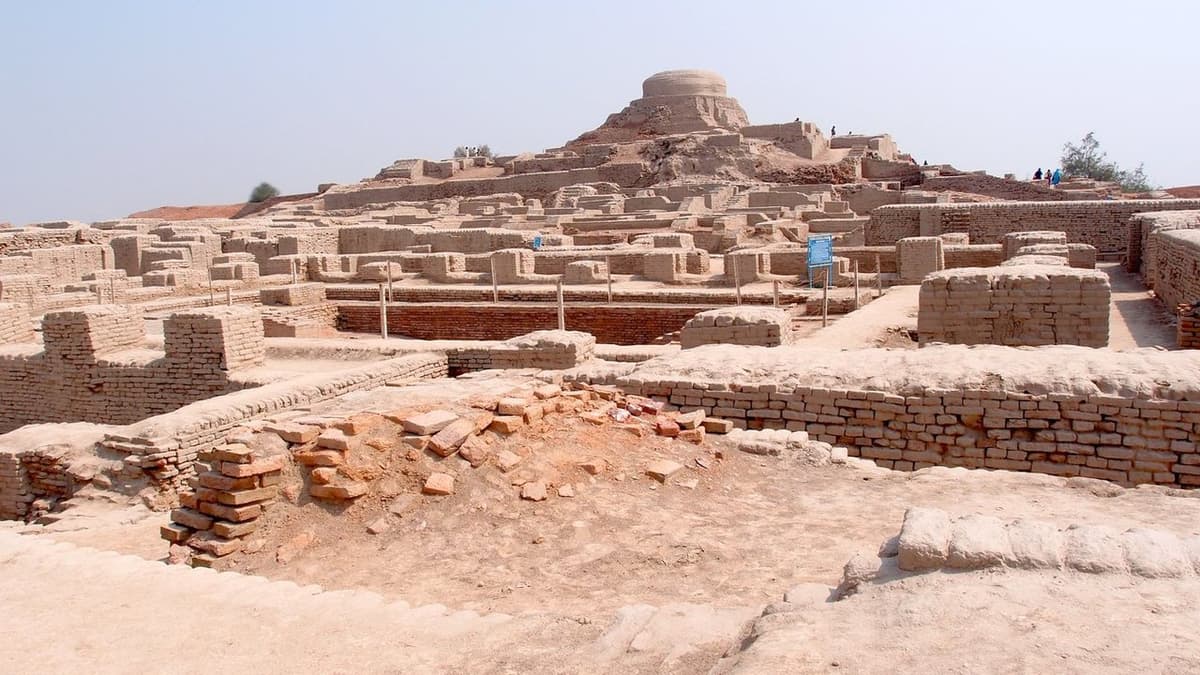
Byblos (Arabic Jbeil) sits on a coastal promontory about 40 km north of Beirut. Pottery Neolithic and Chalcolithic levels underlie Early Bronze Age ramparts and temples that traded cedar and resin with Old Kingdom Egypt—Byblos appears in Egyptian texts as Gubla. The Middle Bronze “Temple of the Obelisks” yielded hundreds of bronze figurines. Phoenician Byblos developed an early alphabetic tradition; royal inscriptions of kings such as Ahiram (sarcophagus, now in Beirut) are landmarks of West Semitic epigraphy.

Persian, Hellenistic, Roman, and Crusader layers stack on the tell: a Roman colonnade and theatre, a Crusader castle built from reused ancient stone, and a medieval harbour. Maurice Dunand’s long French excavations (1920s–1960s) established the ceramic sequence still cited across the Levant. Modern Jbeil’s old town wraps the archaeological park, so ancient and living streets share the same peninsula.

Pair Byblos with Ugarit for Late Bronze literacy and with Baalbek for Lebanon’s monumental Roman layer atop older Levantine roots.
중요성

Byblos is the textbook case of deep urban continuity on the Levantine coast—Neolithic village to Phoenician port to Crusader castle without abandoning the headland. Its Egyptian connection and early alphabet make it essential for any atlas that treats writing and Mediterranean trade as archaeological stories.

증거와 해석

확립된 사실과 논쟁 중인 사항을 구분합니다.

잘 확립된 사실

2
  • Stratified Neolithic through Iron Age deposits and Egyptian objects establish Byblos as a long-lived harbour with early international trade.
  • The Ahiram sarcophagus inscription is a primary witness to early Phoenician alphabetic writing.

논쟁 중인 해석

1
  • How much “Phoenician” Byblos invents versus inherits from Canaanite Late Bronze urbanism depends on how one reads the Iron Age transition.

커뮤니티 사진

당신의 경험을 공유하세요

이 유적지를 방문하셨나요? 다른 탐험가들을 위해 사진을 업로드해 보세요.

관련 이야기

이 페이지 인용 방법

Atlas Anatolia. (7000). Byblos. Atlas Anatolia. https://atlasanatolia.com/ko/site/byblos

콘텐츠는 CC BY-SA 4.0 라이선스에 따라 제공됩니다 — 재사용 시 출처 표시가 필요합니다.

그래프

관련 유적지와 스토리로의 연결.

출처

  • Fouilles de Byblos — Dunand, Maurice (1939)
  • Byblos — UNESCO (1984)링크

자주 묻는 질문

Byblos은(는) 어디에 위치해 있나요?

Byblos은(는) Lebanon에 위치해 있습니다.

Byblos의 연대는 언제인가요?

Byblos의 연대는 대략 7000 기원전 – 1300 서기로 거슬러 올라갑니다.

Byblos과(와) 관련된 고대 문명은 무엇인가요?

Byblos은(는) Canaanite, Roman, Phoenician 문명과 관련이 있습니다.

Byblos이(가) 중요한 이유는 무엇인가요?

Byblos is the textbook case of deep urban continuity on the Levantine coast—Neolithic village to Phoenician port to Crusader castle without abandoning the headland.

Byblos은(는) 유네스코 세계유산인가요?

예 — Byblos은(는) 유네스코 세계유산으로 등재되어 있습니다.