
Vai al contenuto
Atlas Anatolia
NotizieIce Age teeth in Sulawesi push betel-nut use back as far as 25,000 yearsRoman mosaic and Eros head uncovered in the basilica at Pompeiopolis, Kastamonu
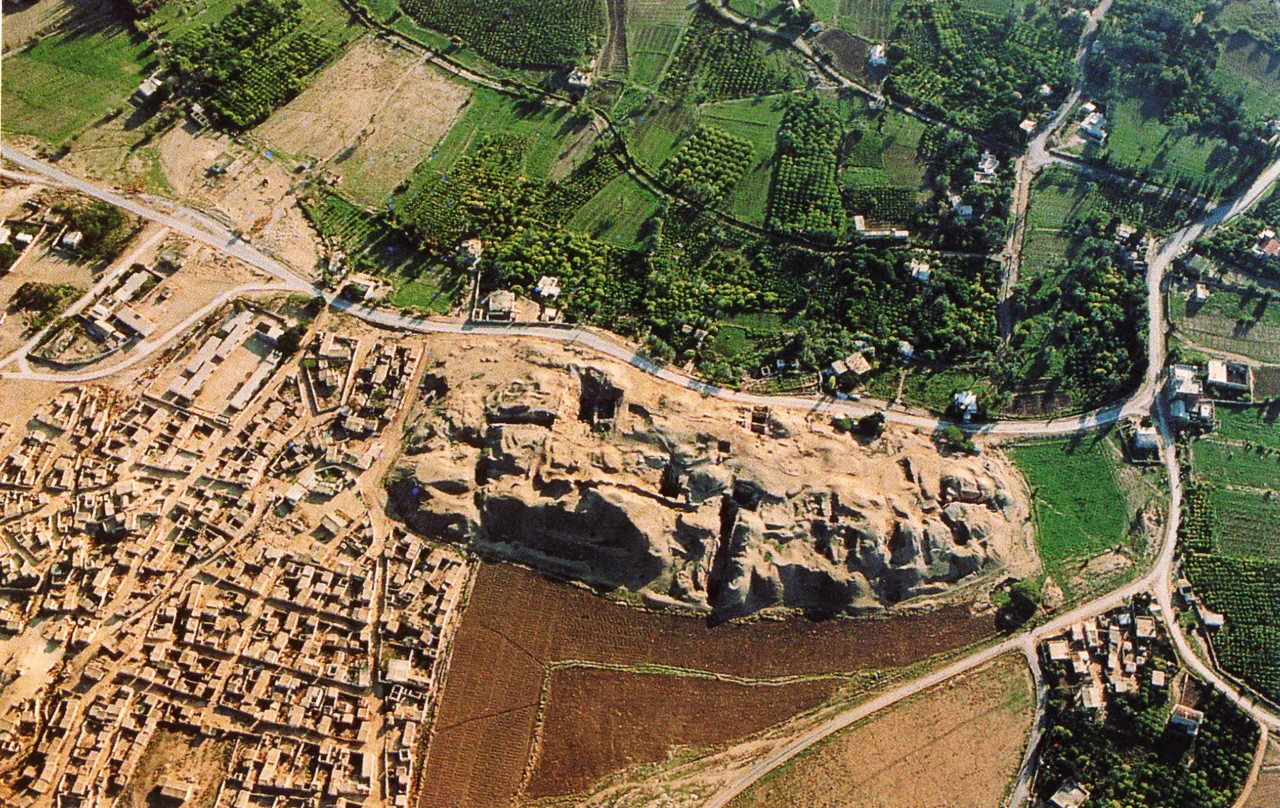
Tell es-Sultan, ancient Jericho — the 10-metre occupation mound in the Jordan Valley, Palestine

Wikimedia Commons

Record continentale

Oldest Settlement in Asia

InsediamentoUNESCO

Tell es-Sultan

Seyfi Cem Baskin

تل السلطان10500 a.C. – 600 d.C.

The world's oldest walled settlement — a 10-metre earthen mound in the Jordan Valley preserving over 10,000 years of continuous occupation, including a Pre-Pottery Neolithic stone tower built around 8300 BCE that is the oldest known free-standing stone structure, and the Natufian base camp that may represent the world's first permanent village.

32
Interesse 56

Posizione

Palestine

31.87°N · 35.45°E · Asia

Occupation span

c. 10,500 BCE to c. 600 CE — over 11,000 years of continuous habitation

Jericho Tower

c. 8300 BCE — oldest known free-standing stone structure; 8.5 m tall, interior staircase

Plaster skulls

PPNB period (~7000 BCE): plastered human skulls used as ancestor portraits/cult objects

Excavators

Kathleen Kenyon (1952–58); Italian-Palestinian teams (1997–present)

UNESCO

Inscribed 2023 as "Jericho and Tell Es-Sultan"

Location

~250 m below sea level — lowest permanently inhabited place on Earth

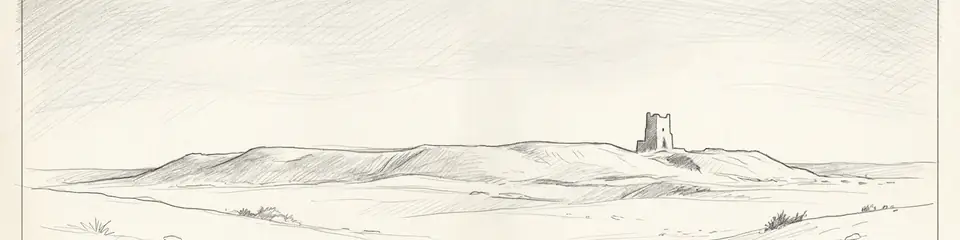
Graphite pencil sketch banner of Tell es-Sultan

Tell es-Sultan is one of the most important archaeological sites in the world for understanding the origins of settled human life.”

Posizione

Panoramica

Tell es-Sultan rises from the floor of the Jordan Valley near modern Jericho in the Palestinian West Bank, approximately 250 metres below sea level in the deepest inhabited place on Earth. The mound — tell in Arabic, meaning an artificial hill formed by accumulated occupation debris — stands approximately 10 metres high and covers roughly 2.5 hectares. Its importance lies in its extraordinary depth of stratification: excavations by Kathleen Kenyon in the 1950s and by a joint Italian-Palestinian team since the 1990s have revealed 23 distinct occupation levels spanning from the Natufian hunter-gatherer period (c. 10,500 BCE) through the Ottoman period.

The lowest Natufian level (c. 10,500–9600 BCE) represents a base camp of hunter-gatherers who exploited the abundant resources of the Jordan Valley — wild grain, gazelles, and the perennial springs (the Ein es-Sultan spring, still flowing, gave Jericho its ancient prosperity). This is one of the earliest known permanent or semi-permanent settlements in the world.

Around 9600–9000 BCE, in the early Pre-Pottery Neolithic A (PPNA) period, the settlement was transformed by the construction of a remarkable structure: the Jericho Tower. This is a stone tower approximately 8 metres in diameter at the base, 8.5 metres tall, built of undressed stones without mortar, with a staircase of 22 steps cut through its interior from top to bottom. It is the oldest known free-standing stone construction in the world. Around its base Kenyon found the skeletal remains of several individuals placed in a deliberate arrangement — suggesting a ritual or funerary function beyond simple watchtower use. The PPNA settlement also had a massive stone wall enclosing approximately one hectare — often called the "world's oldest city wall" — though its defensive or community-demarcation function is debated.

Later Neolithic levels (PPNB, c. 8500–6000 BCE) contain some of the most important evidence for early settled life anywhere in the world: plaster skulls (human skulls with facial features modeled in plaster, almost certainly ancestor portraits or cult objects), mud-brick architecture organized in cellular compounds, and evidence for the earliest cultivated emmer wheat and hulled two-row barley. The mound continued to be occupied through the Chalcolithic, Bronze Age (including a Middle Bronze Age city with impressive earthwork defenses), Iron Age, and Biblical periods before gradual decline.

Perché è importante

Tell es-Sultan is one of the most important archaeological sites in the world for understanding the origins of settled human life. The Jericho Tower — built some 4,000 years before the Egyptian pyramids and 3,000 years before Stonehenge — demonstrates that the capacity for organized communal construction existed well before agriculture was fully established. The PPNB plaster skulls are among the most evocative objects from the Neolithic world, suggesting ancestor veneration and a concept of personal identity persisting after death. The site's role in the Biblical tradition (the walls of Jericho falling to Joshua's trumpets) adds a dimension of religious and cultural significance that makes it one of the most visited archaeological sites in the Middle East. Tell es-Sultan and Jericho were inscribed as a UNESCO World Heritage Site in 2023.

Evidenze e interpretazione

Distinguere ciò che è ben consolidato da ciò che rimane dibattuto.

Fatti ben consolidati

3
  • The Jericho Tower is dated by radiocarbon to c. 8300 BCE (PPNA period). It is 8 metres in diameter at base, 8.5 metres tall, with a functional interior staircase of 22 steps. Human remains found at its base in a deliberate arrangement suggest a ritual or funerary function in addition to whatever practical purpose it served.
  • PPNB plaster skulls (c. 7000 BCE) — human skulls with facial features modeled in lime plaster, shells set in the eye sockets, and in one case painted ochre — have been found at Jericho and other Levantine sites. They represent the earliest known three-dimensional portraiture and the most direct evidence for ancestor veneration in the Neolithic world.
  • Kathleen Kenyon's stratigraphic excavations (1952–58) established the sequence of 23 occupation levels, from Natufian through Byzantine. The sequence remains the reference stratigraphy for the southern Levant Neolithic and has been refined but not fundamentally revised by subsequent excavations.

Interpretazioni dibattute

2
  • The "city wall" of the PPNA period — a massive stone wall enclosing the settlement, associated with the Tower — is debated in function. Kenyon interpreted it as a defensive wall. Later scholars have proposed it was a flood-control barrier (the Jordan Valley was subject to periodic inundation), a community boundary marker, or simply a retaining wall for the mound. No consensus exists.
  • The Biblical account of Joshua's conquest of Jericho (Joshua 6) describes walls that fell to the sound of trumpets. Kenyon's excavations found no Bronze Age city wall corresponding to the period of the Israelite conquest (c. 1400–1200 BCE) — the relevant Late Bronze Age levels were either eroded away or never existed. The relationship between the Tell es-Sultan archaeological record and the Biblical narrative remains unresolved.

Foto della comunità

Condividi la tua esperienza

Hai visitato questo sito? Carica le tue foto per aiutare gli altri a scoprirlo.

Come citare questa pagina

Atlas Anatolia. (10500). Tell es-Sultan. Atlas Anatolia. https://atlasanatolia.com/it/site/tell-es-sultan

Contenuto con licenza CC BY-SA 4.0 — è richiesta l'attribuzione in caso di riutilizzo.

Fonti

  • Digging Up JerichoKenyon, Kathleen M. (1957)
  • The PPNA in the Levant — An OverviewBar-Yosef, Ofer (1986)
  • Tell es-Sultan in the Early Bronze Age IV: A Sacred Area and the Princely TombsNigro, Lorenzo (2014)

Domande frequenti

Dove si trova Tell es-Sultan?

Tell es-Sultan si trova in Palestine.

A quando risale Tell es-Sultan?

Tell es-Sultan risale all'incirca al 10500 a.C. – 600 d.C..

Quali civiltà sono associate a Tell es-Sultan?

Tell es-Sultan è associato alla civiltà Canaanite, Pre-Pottery Neolithic.

Perché Tell es-Sultan è importante?

Tell es-Sultan is one of the most important archaeological sites in the world for understanding the origins of settled human life.

Tell es-Sultan è un sito Patrimonio Mondiale dell'UNESCO?

Sì — Tell es-Sultan è iscritto nella lista del Patrimonio Mondiale dell'UNESCO.