
Vai al contenuto
Atlas Anatolia
NotizieIce Age teeth in Sulawesi push betel-nut use back as far as 25,000 yearsRoman mosaic and Eros head uncovered in the basilica at Pompeiopolis, Kastamonu
The Theater of Epidaurus, the best-preserved ancient theater in the world

Wikimedia Commons

SantuarioUNESCOIn evidenza

Epidaurus

Seyfi Cem Baskin

Επίδαυρος600 a.C. – 500 d.C.

The great healing sanctuary of ancient Greece, sacred to Asclepius, containing the most perfectly preserved ancient theater in the world — renowned for acoustics so precise that a whisper from the stage reaches every one of 14,000 seats.

31
Interesse 69

Posizione

Grecia

37.60°N · 23.07°E · Europa

Theater capacity

~14,000 spectators (55 rows)

Theater date

c. 360–330 BCE

Architect

Polykleitos the Younger (attributed)

Diameter of orchestra

20.28 m

Deity

Asclepius, god of medicine

UNESCO

World Heritage Site since 1988

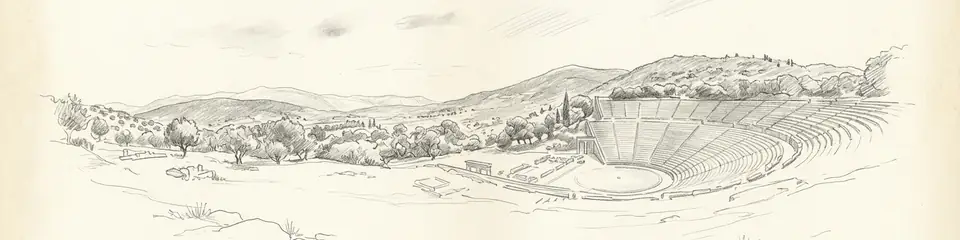
Graphite pencil sketch banner of Epidaurus

The Theater of Epidaurus is the closest living connection most modern audiences have to the classical Greek theatrical experience.”

Posizione

Panoramica

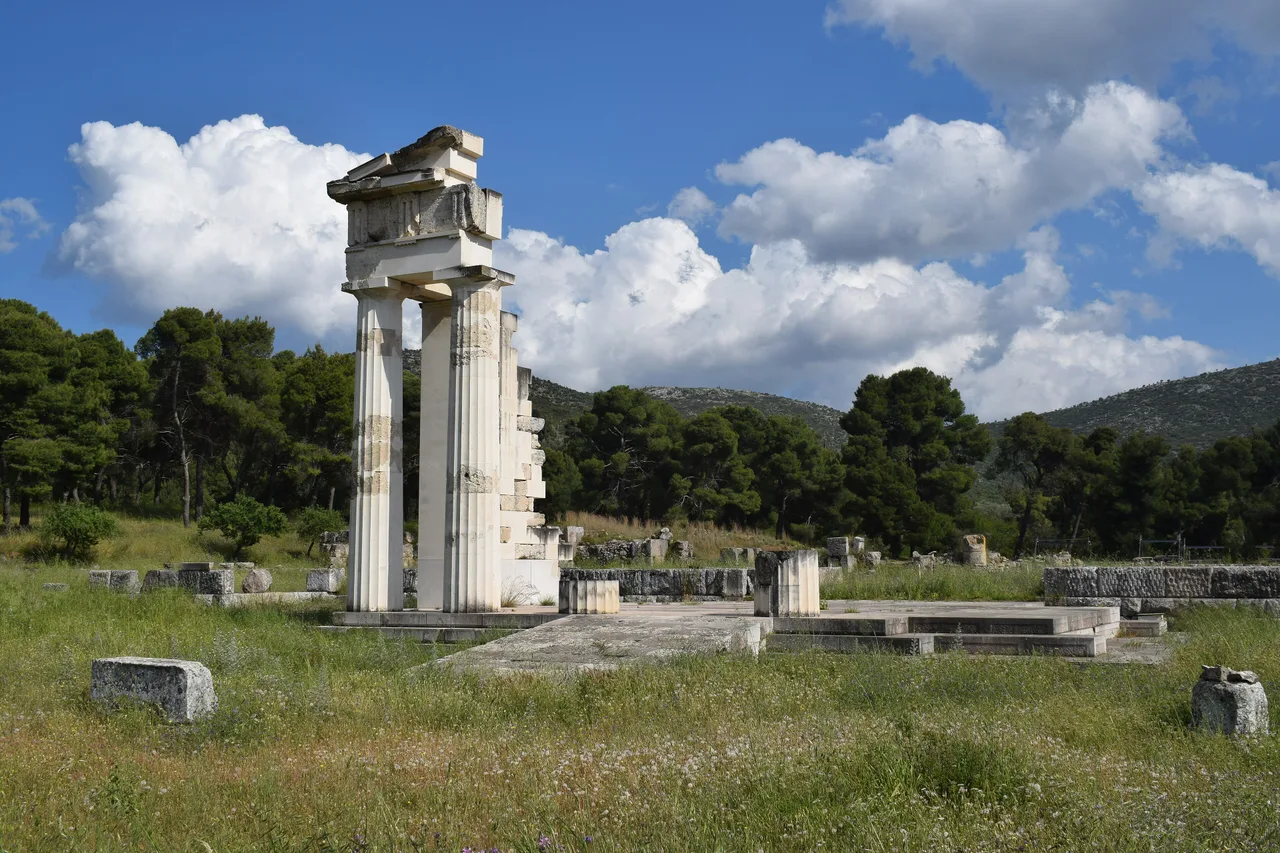
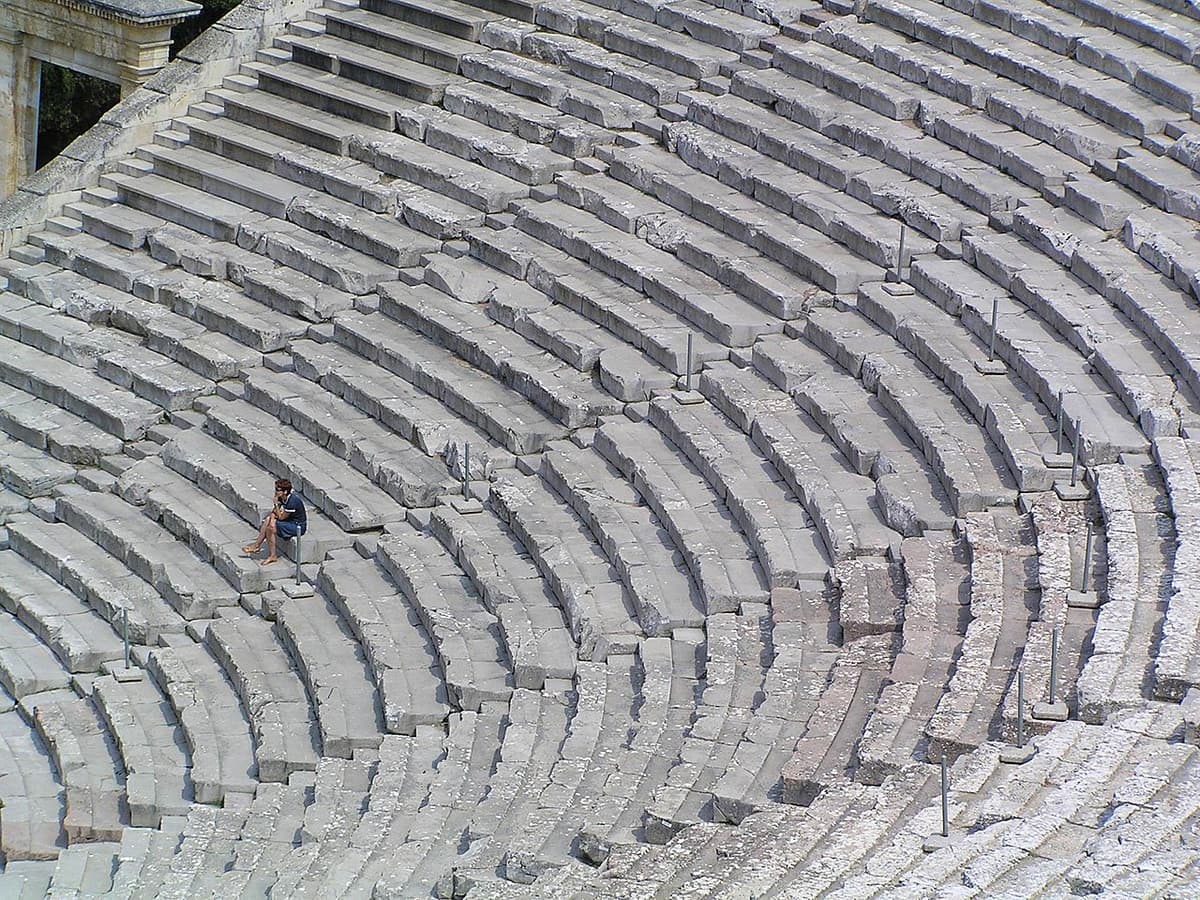
Epidaurus (modern Epidavros) lies in the northeastern Peloponnese, 30 km south of Corinth, at the foot of a wooded hillside in the Argolid. The site was the principal healing sanctuary of the ancient Greek world, dedicated to Asclepius, the god of medicine, from at least the fifth century BCE. Patients traveled from across the Mediterranean to undergo incubation — ritual sleep in the sanctuary, during which Asclepius was believed to appear in dreams and prescribe or perform cures. The sanctuary complex included a round tholos building of extraordinary architectural refinement (its purpose remains uncertain; possibly related to the sacred serpents kept there), baths, a gymnasium, a stadium, and multiple temples. The theater, built around 360–330 BCE and attributed to the architect Polykleitos the Younger, is the best-preserved example from antiquity. Its 55 rows seat approximately 14,000 spectators. The cavea (seating area) is carved into a hillside so precisely that acoustic tests have demonstrated it eliminates low-frequency background noise while transmitting high-frequency sound — spoken text from the stage circular orchestra reaches every seat with equal clarity. The sanctuary continued to function as a healing center into the fifth century CE.
Perché è importante

The Theater of Epidaurus is the closest living connection most modern audiences have to the classical Greek theatrical experience. The combination of geometry and topography that creates its acoustic near-perfection has been studied extensively but is not fully replicated in any modern theater. As a healing sanctuary, Epidaurus represents one of the most sophisticated medical institutions of antiquity: the inscriptions (iamata) recording cure testimonials found at the site are among the earliest detailed clinical records in the Western tradition, blending religious ritual with pragmatic treatments including surgery, diet, and exercise. The site is still used for summer performances.

Evidenze e interpretazione

Distinguere ciò che è ben consolidato da ciò che rimane dibattuto.

Fatti ben consolidati

3
  • The theater's extraordinary acoustics have been measured and confirmed by acoustic scientists: background noise below 500 Hz is filtered by the limestone seating rows, while frequencies above 500 Hz — the range of the human voice — are transmitted uniformly across the cavea.
  • Inscriptions found at the sanctuary (the iamata) record several hundred cured patients, constituting one of the earliest systematic medical archives in Western history. The cures described include surgical procedures performed during dream incubation.
  • The circular tholos (Thymele), attributed to Polykleitos the Younger, had three concentric rings of columns and a labyrinthine underground structure — possibly housing the sacred serpents associated with Asclepius.

Deduzioni accademiche

1
  • The serpents kept at Epidaurus were non-venomous yellow rat snakes (Zamenis longissimus), still associated with Asclepius iconography today and still found wild in the Epidaurus area.

Foto della comunità

Condividi la tua esperienza

Hai visitato questo sito? Carica le tue foto per aiutare gli altri a scoprirlo.

Storie correlate

Come citare questa pagina

Atlas Anatolia. (600). Epidaurus. Atlas Anatolia. https://atlasanatolia.com/it/site/epidaurus

Contenuto con licenza CC BY-SA 4.0 — è richiesta l'attribuzione in caso di riutilizzo.

Grafico

Collegamenti a siti e storie correlati.

Fonti

  • Acoustics of the Theatre at EpidaurosNico F. Declercq and Cindy S. A. Dekeyser (2007)
  • The Healing Gods of Ancient GreeceAlice Walton (1894)

Domande frequenti

Dove si trova Epidaurus?

Epidaurus si trova in Greece.

A quando risale Epidaurus?

Epidaurus risale all'incirca al 600 a.C. – 500 d.C..

Quali civiltà sono associate a Epidaurus?

Epidaurus è associato alla civiltà Greek, Roman.

Perché Epidaurus è importante?

The Theater of Epidaurus is the closest living connection most modern audiences have to the classical Greek theatrical experience.

Epidaurus è un sito Patrimonio Mondiale dell'UNESCO?

Sì — Epidaurus è iscritto nella lista del Patrimonio Mondiale dell'UNESCO.