
Aller au contenu
Atlas Anatolia
ActualitésIce Age teeth in Sulawesi push betel-nut use back as far as 25,000 yearsRoman mosaic and Eros head uncovered in the basilica at Pompeiopolis, Kastamonu
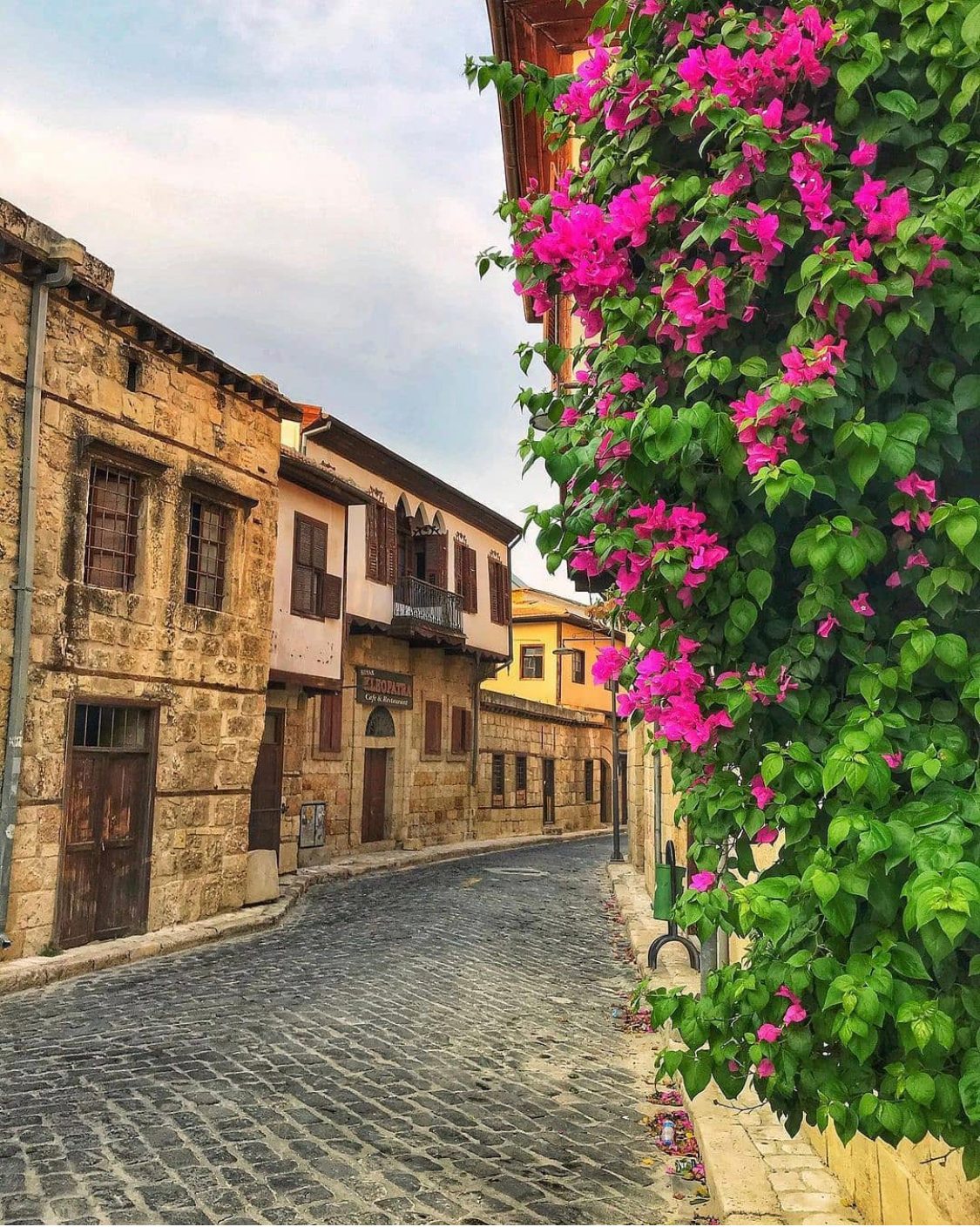
The ancient Roman gate known as Cleopatra's Gate in modern Tarsus

Wikimedia Commons

Continent Record

Oldest City in Asia

CitéEn vedette

Tarsus

Seyfi Cem Baskin

7000 av. J.-C. – 1453 apr. J.-C.

One of the oldest continuously inhabited cities in the world — birthplace of St. Paul, where Cleopatra first met Mark Antony, and a major center of Stoic philosophy rivaling Athens and Alexandria.

411
Intérêt 63

Localisation

Mersin · Mediterranean · Turquie

36.92°N · 34.89°E · Asie

St. Paul

Birthplace of the Apostle Paul (Saul of Tarsus)

Cleopatra

Where Cleopatra met Mark Antony in 41 BCE

Philosophy

Stoic schools rivaled Athens and Alexandria (Strabo)

Age

Continuously inhabited for over 9,000 years

Notable Finds

The 'Tarsus Hoard' of 4th-century BCE gold staters, discovered in 1968, and a Roman-period mosaic depicting the 'Four Seasons'.

Dating Method

Radiocarbon dating of charcoal and bone from the Gozlukule mound, combined with ceramic typology, establishes the Neolithic sequence.

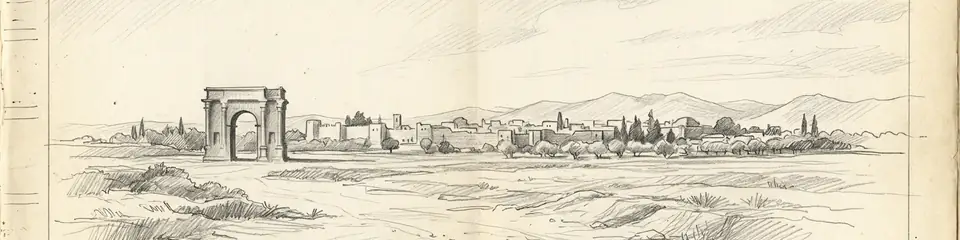
Graphite pencil sketch banner of Tarsus

“Tarsus is one of the few cities in the world where continuous human habitation from the Neolithic to the present can be documented archaeologically.”

De Wikipédia

Tarsus is one of the oldest continuously inhabited cities in the world, birthplace of St. Paul, where Cleopatra met Antony, and a renowned center of Stoic philosophy.

Lire l'article complet sur Wikipédia →

Localisation

Aperçu

Tarsus is one of the most historically layered cities in all of Anatolia, with continuous habitation stretching back to the Neolithic period. Located on the fertile Cilician plain where the Tarsus River (ancient Cydnus) flows toward the Mediterranean, the city's strategic position made it a crossroads of civilizations for over 9,000 years.

The city's most famous son is St. Paul the Apostle (Saul of Tarsus), whose letters form a cornerstone of the New Testament and whose missionary journeys from this base city helped shape the course of Christianity. But Tarsus's significance extends far beyond its Biblical associations. In antiquity it was renowned as a center of intellectual life, particularly Stoic philosophy — Strabo ranked its schools above those of Athens and Alexandria.

"Tarsus is a city of Cilicia, not inferior to the chief cities of that province for wealth and magnitude."
— Strabo, c. 7 BCE - 23 CE

One of the most celebrated events in ancient history took place at Tarsus in 41 BCE, when Cleopatra VII sailed up the Cydnus River on a golden barge to meet Mark Antony. The city also served as a major administrative center under Persian, Hellenistic, and Roman rule, and Alexander the Great nearly died here after swimming in the icy Cydnus.

The Gozlukule mound in the city center preserves layers dating from the Neolithic through the Byzantine period, documenting nearly ten millennia of urban life. Hittite texts mention the city as Tarsa, and it appears in Assyrian records as well. The Roman-era Cleopatra's Gate (actually a Roman arch) and the Well of St. Paul are among the surviving monuments.
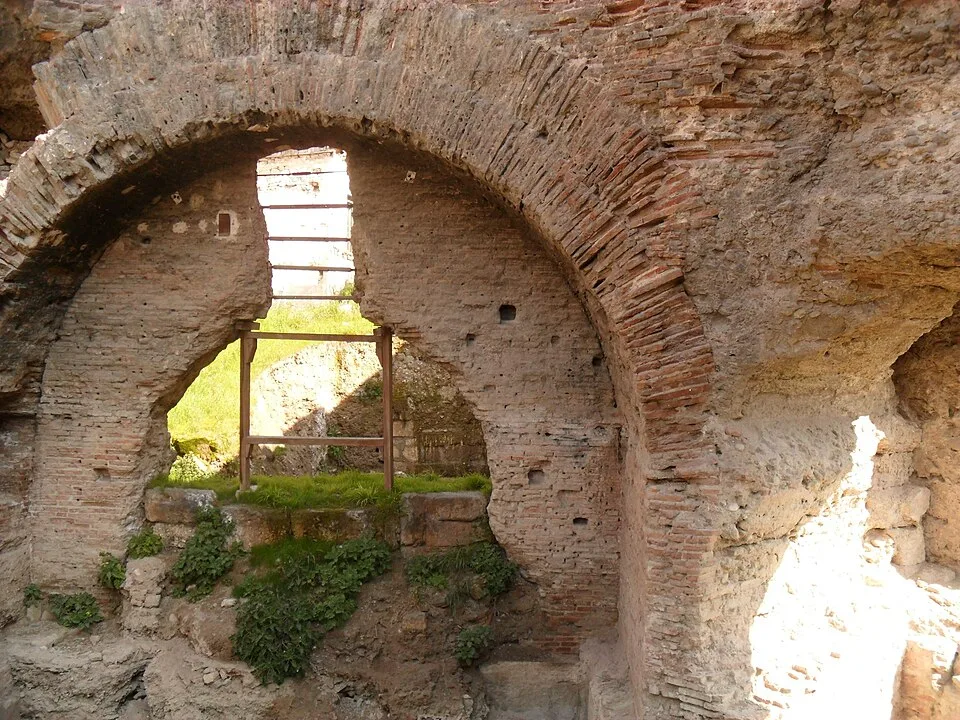
Altından geçme
Altından geçme | Nedim Ardoğa (CC BY-SA 3.0)

Archaeology reveals the city's material wealth and cosmopolitan nature. Excavations at the Gozlukule mound, led by Hetty Goldman from 1934, uncovered extensive evidence of a major Hittite administrative center, including a fortified gate complex. In the Roman era, Tarsus was remade with monumental architecture, including a paved colonnaded street (the Cardo) and an advanced, vaulted sewer system that serviced the urban core, reflecting its status as the capital of the Roman province of Cilicia. The city's prosperity was built on the fertile Cilician plain's agriculture and its position on key trade routes connecting Anatolia to Syria and the Mediterranean. While it remained a significant ecclesiastical center into the Byzantine period, the silting of its harbor and regional political shifts after the Arab incursions of the 7th century CE led to a gradual decline in its wider economic and strategic importance, though habitation continued.

Pourquoi c'est important

Tarsus is one of the few cities in the world where continuous human habitation from the Neolithic to the present can be documented archaeologically. As the birthplace of St. Paul, it holds profound significance for Christianity and the history of Western civilization. The city's role as an intellectual center — where Stoic philosophy flourished alongside multicultural exchange between Greek, Anatolian, Semitic, and eventually Roman traditions — makes it essential for understanding how ideas traveled across the ancient Mediterranean. Tarsus embodies the deep layering of civilizations that defines Anatolia.

Preuves et interprétation

Distinguer ce qui est bien établi de ce qui reste débattu.

Faits bien établis

4
  • Gozlukule mound excavations document continuous occupation from the Neolithic (c. 7000 BCE) through the Byzantine period, confirmed by radiocarbon dating and ceramic typology.
  • St. Paul identifies himself as a citizen of Tarsus in Acts 21:39, and the city's importance as a center of learning is confirmed by Strabo (Geography 14.5.13).
  • Hittite texts reference Tarsus as Tarsa, placing it within the Kizzuwatna kingdom during the Bronze Age.
  • Excavations at Gozlukule by Hetty Goldman (1934-1947) and subsequent teams have uncovered a stratified sequence from the Neolithic to the Byzantine period, including a major Late Bronze Age Hittite level.

Inférences savantes

1
  • The Cleopatra's Gate monument, though Roman in its current form, likely marks the approximate route of Cleopatra's approach up the Cydnus River as described by Plutarch.

Interprétations débattues

1
  • The biblical identification of Tarsus with Tarshish mentioned in the Hebrew Bible remains debated, with alternative locations proposed in Spain and North Africa.

Découverte et fouilles

1934–1939

Gozlukule excavations

Dirigé par Hetty Goldman

Hetty Goldman led excavations at the Gozlukule mound, revealing occupation layers from the Neolithic through the Byzantine period.

1947–1949

Continued Gozlukule work

Further seasons at Gozlukule documented the Bronze Age levels and connections to Hittite-period Cilicia.

1993–2010

Turkish excavations

Bogazici University resumed excavations at Gozlukule, focusing on the early layers and reinterpreting the stratigraphic sequence with modern methods.

2015

Urban archaeology

Rescue excavations in the modern city center uncovered Roman-era colonnaded streets and portions of the ancient harbor infrastructure.

Photos de la communauté

Partagez votre expérience

Avez-vous visité ce site ? Téléchargez vos photos pour aider les autres à le découvrir.

Comment citer cette page

Atlas Anatolia. (7000). Tarsus. Atlas Anatolia. https://atlasanatolia.com/fr/site/tarsus

Contenu sous licence CC BY-SA 4.0 — attribution requise en cas de réutilisation.

Lire l'article complet sur World History Encyclopedia
World History Encyclopedia · CC BY-NC-SA

Sources

  • Excavations at Gozlu Kule, Tarsus — Hetty Goldman (1950)
  • Tarsus: A Forgotten Metropolis of the Ancient World — Oya San (2005)
  • Wikipedia — Tarsus, MersinLien

Questions fréquentes

Où se trouve Tarsus ?

Tarsus est situé à/en Mersin, Mediterranean, Türkiye.

De quand date Tarsus ?

Tarsus remonte approximativement à 7000 av. J.-C. – 1453 apr. J.-C..

Quelles civilisations sont associées à Tarsus ?

Tarsus est associé à la civilisation Hittite, Greek, Roman, Byzantine.

Pourquoi Tarsus est-il important ?

Tarsus is one of the few cities in the world where continuous human habitation from the Neolithic to the present can be documented archaeologically.

Tarsus est-il inscrit au patrimoine mondial de l'UNESCO ?

Tarsus n'est pas actuellement inscrit sur la liste du patrimoine mondial de l'UNESCO.