
Aller au contenu
Atlas Anatolia
ActualitésIce Age teeth in Sulawesi push betel-nut use back as far as 25,000 yearsRoman mosaic and Eros head uncovered in the basilica at Pompeiopolis, Kastamonu
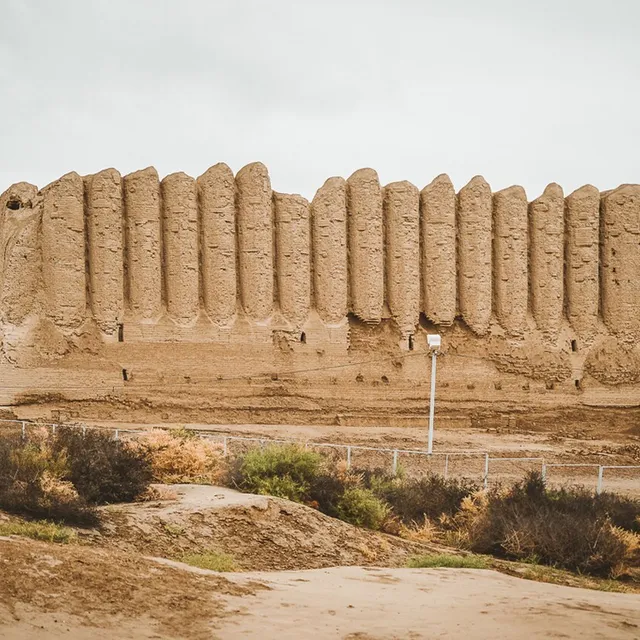
Earthen walls and ruins of the ancient city complex of Merv, Turkmenistan

Wikimedia Commons

CitéUNESCOEn vedette

Ancient Merv

Seyfi Cem Baskin

مرو500 av. J.-C. – 1221 apr. J.-C.

One of the greatest oasis cities of Central Asia — successive walled cities of Margiana on the Murghab delta in present-day Turkmenistan, bridging Achaemenid, Hellenistic, Parthian, Sasanian, and Islamic Silk Road empires until Mongol destruction in 1221.

21
Intérêt 65

Localisation

Turkménistan

37.66°N · 62.19°E · Asie

Classical name

Margiana — oasis on the Murghab delta

Medieval peak

Khorasanian metropolis before Mongol sack 1221

Urban form

Sequential walled cities (e.g. Gyaur Kala, Sultan Kala)

UNESCO

State Historical and Cultural Park “Ancient Merv” — 1999

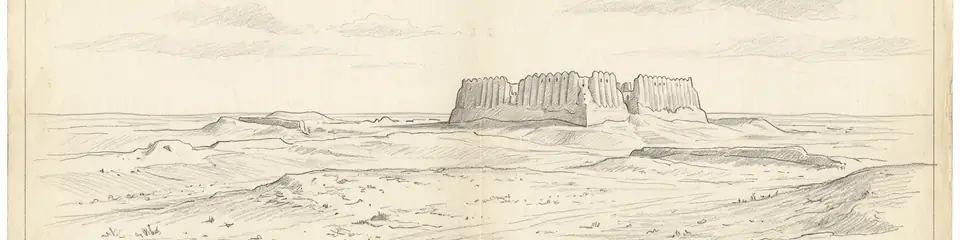
Graphite pencil sketch banner of Ancient Merv

“Merv is Central Asia’s textbook sequential oasis megasite — you can walk from Hellenistic–Parthian walls to medieval Sultan Kala and grasp imperial succession in mud brick.”

Localisation

Aperçu

Ancient Merv occupies a cluster of monumental earthen city mounds on the Murghab River delta oasis in Mary Province, Turkmenistan — classical Margiana. Continuously important from the Bronze Age and Achaemenid satrapy through Alexander’s foundation traditions, Seleucid and Parthian rule (Gyaur Kala), Sasanian fortresses, and the vast Islamic cities of Sultan Kala and later suburbs, Merv was repeatedly rebuilt beside dying older cores as irrigation and politics shifted.

Medieval Islamic Merv became a Khorasanian metropolis of libraries, scholars, and Silk Road commerce; Yāqūt and other geographers ranked it among the world’s great cities before the Mongol sack of 1221 devastated population and canals. Archaeological survey and excavation (Soviet, Turkmen, and international teams including the International Merv Project) mapped city walls, citadels, icehouses, and ceramic chronologies across the vast oasis landscape.
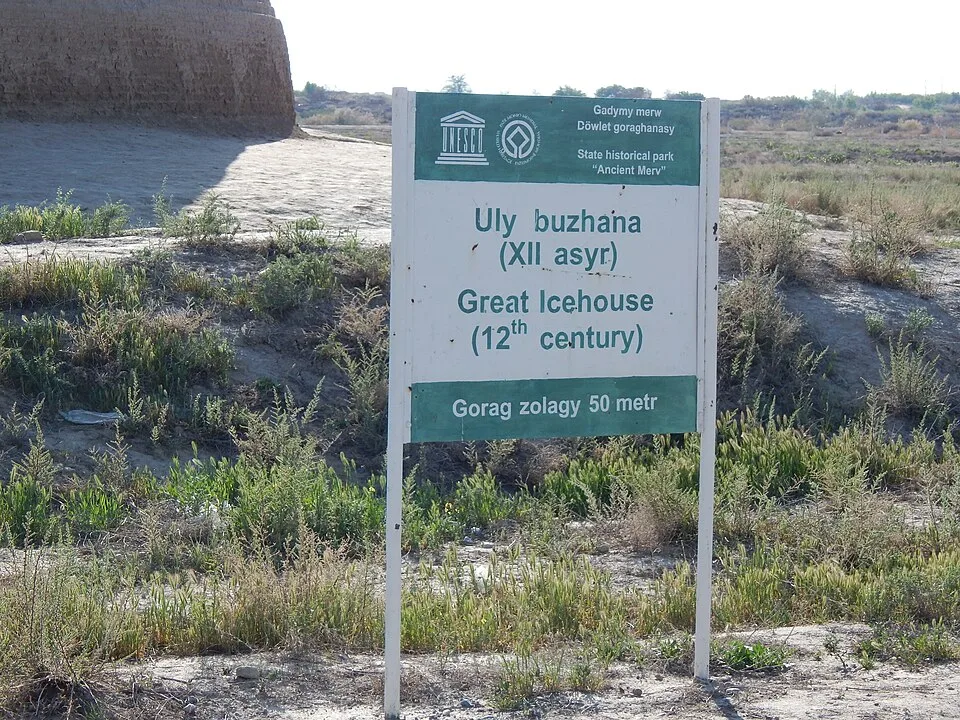
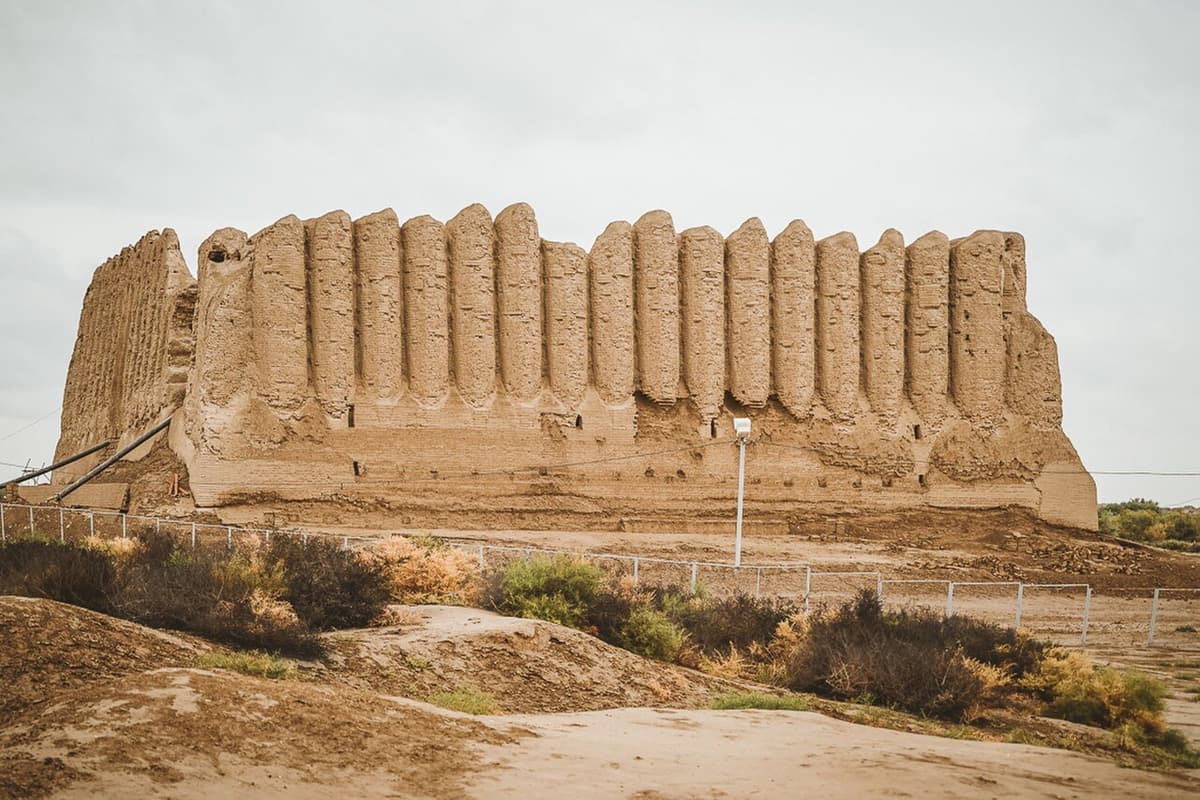
Great Icehouse in Merv, Turkmenistan
Great Icehouse in Merv, Turkmenistan | 13299achan (CC BY-SA 4.0)
"Marw was one of the four capitals of Khurāsān — a city of libraries and canals — until the Mongols left her mounds silent and her waters dried."
— Composite from Islamic geographers (incl. Yāqūt) on Merv before and after 1221

UNESCO inscribed the State Historical and Cultural Park “Ancient Merv” in 1999 as outstanding testimony to successive civilisations on the Central Asian Silk Roads.
Pourquoi c'est important

Merv is Central Asia’s textbook sequential oasis megasite — you can walk from Hellenistic–Parthian walls to medieval Sultan Kala and grasp imperial succession in mud brick. Its destruction and irrigation collapse is a classic case of how fragile desert megacities were to war and canal failure — pairing conceptually with South Arabia’s Marib Dam story across the Incense/Silk comparison.

Preuves et interprétation

Distinguer ce qui est bien établi de ce qui reste débattu.

Faits bien établis

2
  • Survey and excavation document successive large urban enclosure systems spanning antiquity through the Islamic Middle Ages.
  • Literary sources corroborate Merv’s size and scholarly importance before the Mongol conquest.

Interprétations débattues

1
  • Precise population estimates and the detailed hydrology of canal failure after 1221 remain subjects of ongoing modelling.

Photos de la communauté

Partagez votre expérience

Avez-vous visité ce site ? Téléchargez vos photos pour aider les autres à le découvrir.

Récits liés

Comment citer cette page

Atlas Anatolia. (500). Ancient Merv. Atlas Anatolia. https://atlasanatolia.com/fr/site/merv

Contenu sous licence CC BY-SA 4.0 — attribution requise en cas de réutilisation.

Graphique

Connexions avec des sites et récits associés.

Sources

  • The Landscapes of Islamic Merv — Williams, Tim (2017)
  • UNESCO — State Historical and Cultural Park “Ancient Merv”Lien

Questions fréquentes

Où se trouve Ancient Merv ?

Ancient Merv est situé à/en Turkmenistan.

De quand date Ancient Merv ?

Ancient Merv remonte approximativement à 500 av. J.-C. – 1221 apr. J.-C..

Quelles civilisations sont associées à Ancient Merv ?

Ancient Merv est associé à la civilisation Achaemenid Persian, Parthian, Sasanian, Islamic / Medieval.

Pourquoi Ancient Merv est-il important ?

Merv is Central Asia’s textbook sequential oasis megasite — you can walk from Hellenistic–Parthian walls to medieval Sultan Kala and grasp imperial succession in mud brick.

Ancient Merv est-il inscrit au patrimoine mondial de l'UNESCO ?

Oui — Ancient Merv est inscrit sur la liste du patrimoine mondial de l'UNESCO.