
Around 1200 BCE the eastern Mediterranean stopped working as a single diplomatic and trading system. Palaces burned. Archives went silent. Some coastlines emptied so fast that later diggers found storage jars still stacked in rooms that nobody came back to close.
This is not another essay on causes. Drought, earthquakes, trade failure, revolts, and the Sea Peoples of Egyptian inscriptions all have their defenders. The map below is for the places themselves: where you can still stand on the ground that failed, and where successor states rebuilt something smaller and harder.
For the narrative of what rose afterward in Anatolia, read What Happened After the Bronze Age Collapse?. For the wider atlas, open the interactive ancient world map.
Türkiye
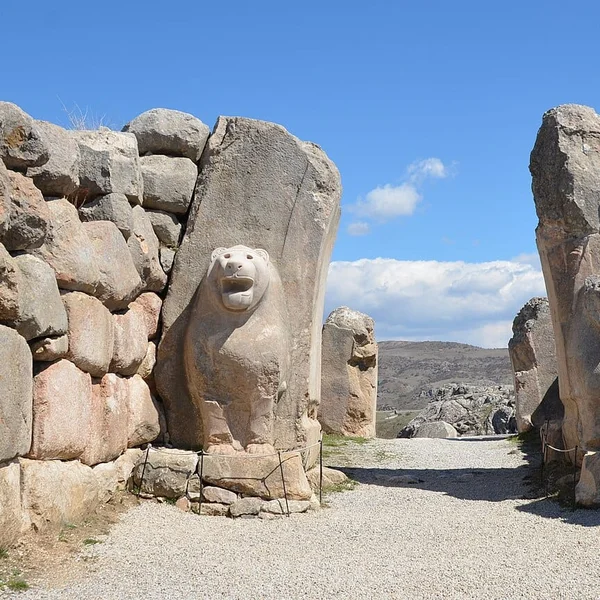
Hattusha
Capital of the Hittite Empire, one of the great powers of the Late Bronze Age. Features massive fortifications
Syria
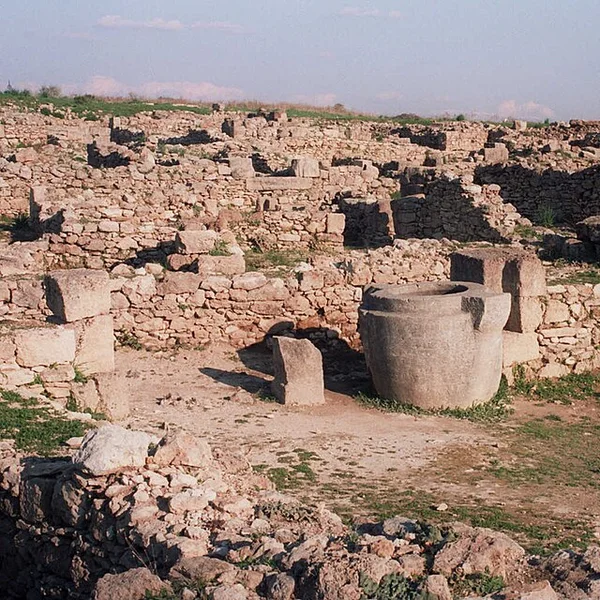
Ugarit
The Late Bronze Age port city on Syria’s Mediterranean coast whose clay-tablet archives revealed the Ugaritic
Greece
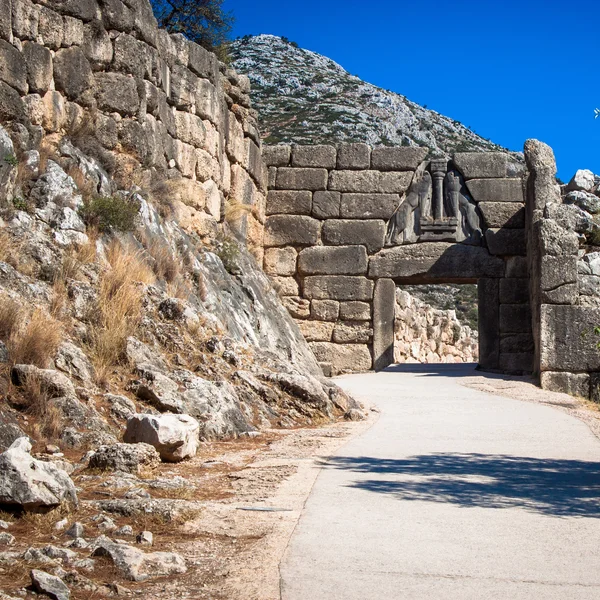
Mycenae
Citadel of Agamemnon in the Argolid, its Lion Gate and Grave Circles defining our image of Late Bronze Age Gre
Greece
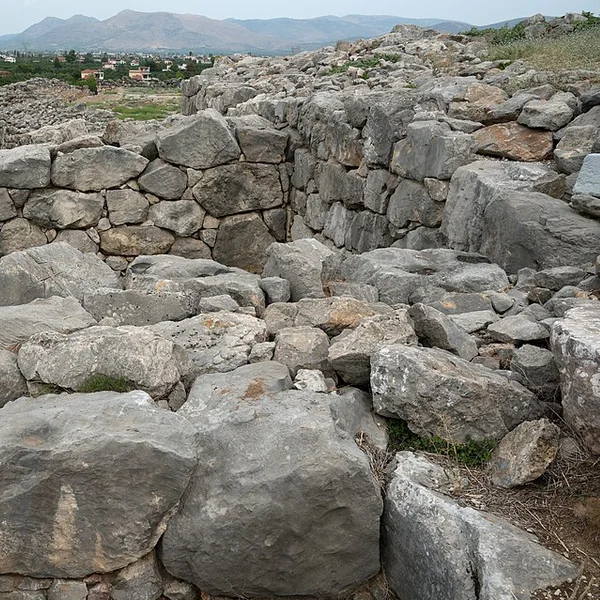
Tiryns
A Mycenaean citadel east of Argos famous for its Cyclopean walls, corbel-vaulted galleries, and the myth of He
Greece
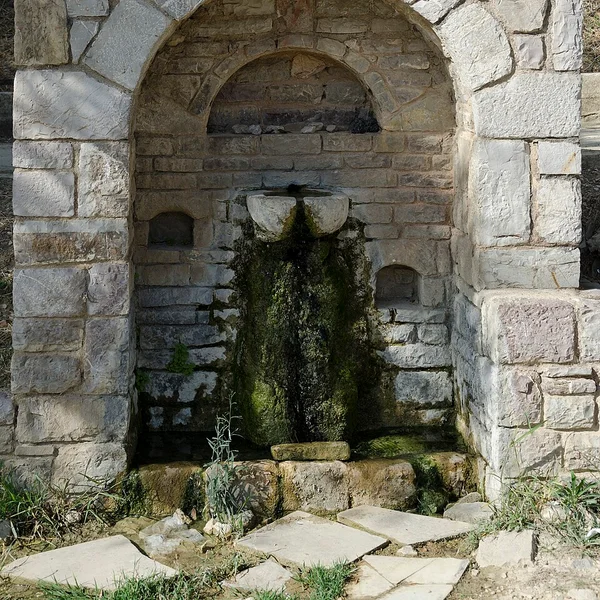
Palace of Nestor
The best-preserved Mycenaean palace on the Greek mainland, built around 1300 BCE at Englianos near modern Pylo
Türkiye
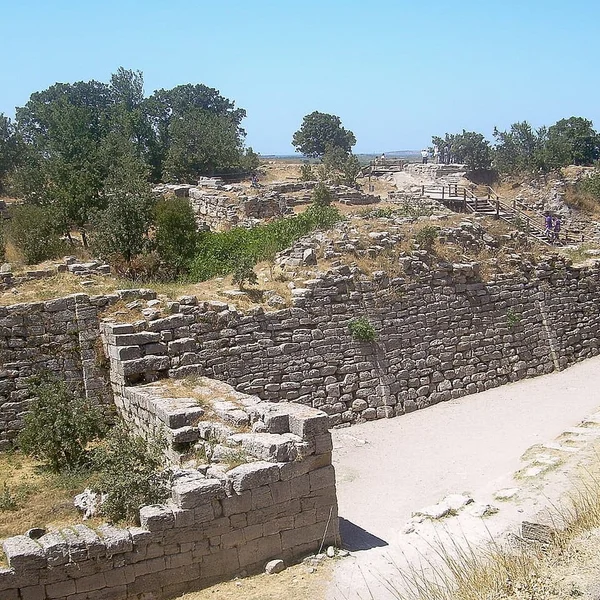
Troy
Nine settlement layers at Hisarlık in northwestern Türkiye, where Heinrich Schliemann dug for Homer's Troy and
Israel
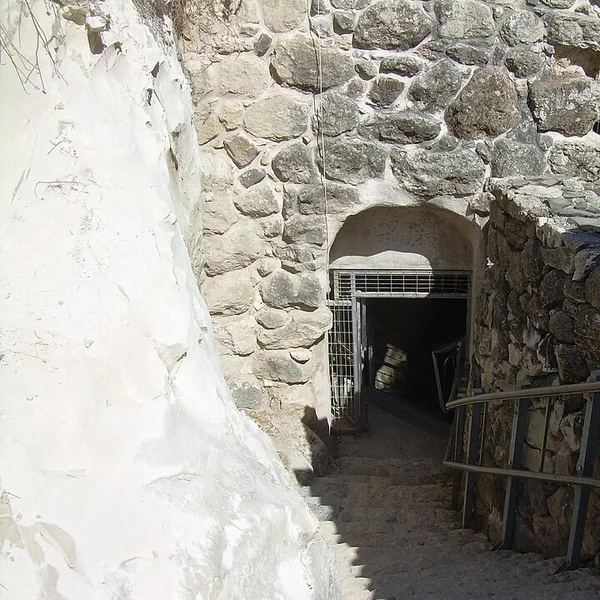
Tel Megiddo
The multi-layered tell overlooking the Jezreel Valley — Canaanite city, Egyptian stronghold, and Israelite for
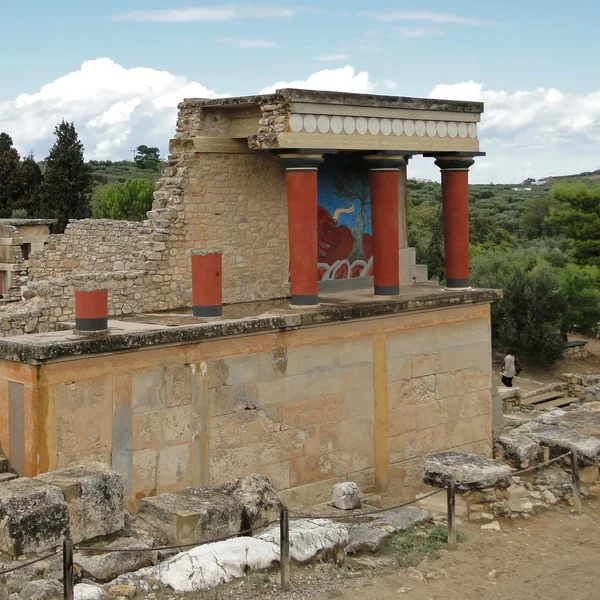
Greece
Knossos
Largest Bronze Age palace on Crete, centre of Minoan court life, fresco painting, and labyrinth myth. Arthur E
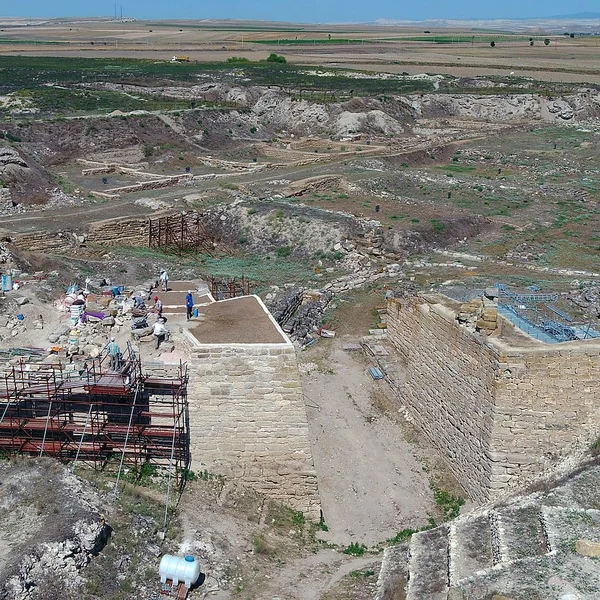
Türkiye
Gordion
Capital of ancient Phrygia, famous for the legend of the Gordian Knot and the monumental tumulus believed to b
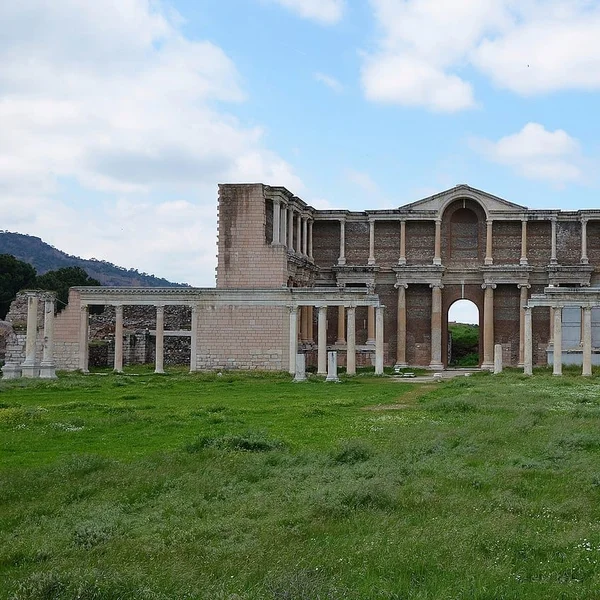
Türkiye
Sardis
Capital of the Lydian Kingdom, where coinage was likely invented. Home to King Croesus and his legendary wealt
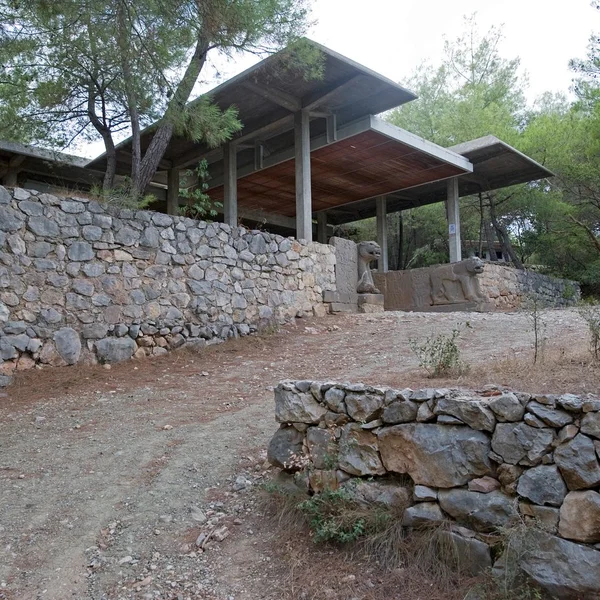
Türkiye
Karatepe-Aslantas
A Neo-Hittite fortress guarding the Cilician Gates whose bilingual inscription in Phoenician and Hieroglyphic
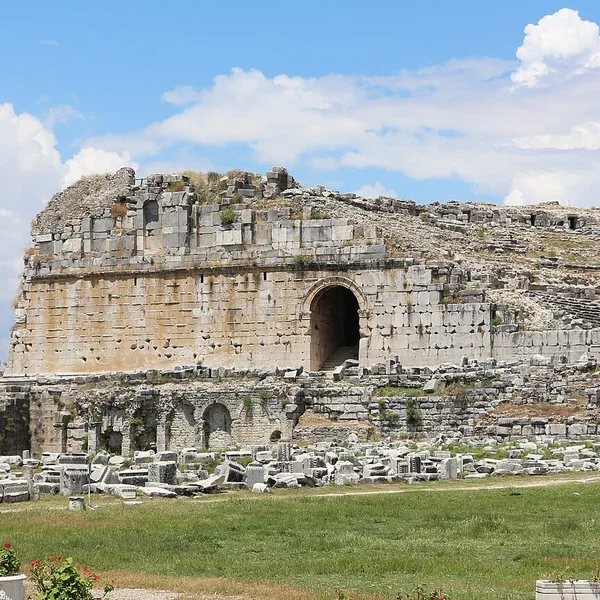
Türkiye
Miletus
Birthplace of Western philosophy — home to Thales, Anaximander, and Anaximenes. One of the greatest Ionian cit
Capitals that went quiet
Hattusha in the central Anatolian highlands was the Hittite capital: temples, fortification circuits, the Büyükkale citadel, and rock sanctuaries such as Yazılıkaya. Sometime in the early twelfth century BCE the city was abandoned. The empire that had faced Egypt at Kadesh left no continuous royal line for later scribes to inherit. When scholars "rediscovered" the Hittites in the nineteenth and twentieth centuries, they were reconstructing a state that Anatolia itself had almost forgotten.
Ugarit (Ras Shamra, Syria) was a coastal trading kingdom with a palace archive that still names copper, grain, and correspondence with other courts. Destruction debris around 1190-1185 BCE sits close to the last tablets. Walk the dossier for Confirmed fire horizons versus Inferred links to Sea Peoples raids. The site is one of the clearest archaeological clocks for the Levantine end of the Late Bronze Age.
Mycenaean Greece: walls, tablets, and empty halls
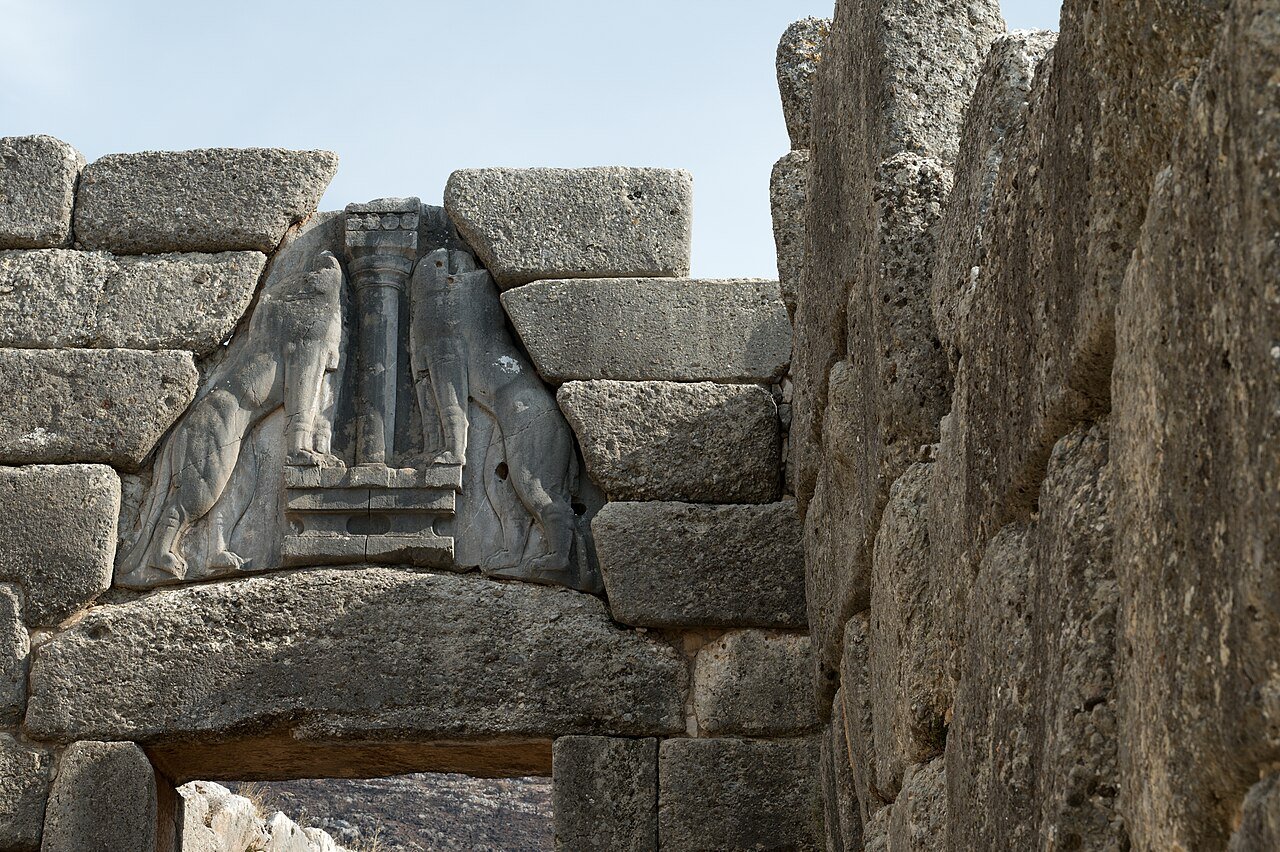
Mycenae and Tiryns still show the Cyclopean walls later Greeks blamed on giants. Grave Circle A, the Lion Gate, and the tholos tombs at Mycenae shaped every modern picture of "Heroic Age" kings. The palace administrations behind those walls kept Linear B tablets. Those archives stop. That stop is not a myth; it is a stratigraphic and epigraphic fact.
Palace of Nestor at Englianos near Pylos burned around 1180 BCE with its wine magazines and tablet archive still in place. The fire that destroyed the building baked the clay records that let us read Mycenaean bureaucracy at all. Irony is not a method, but it is hard to miss.
Knossos on Crete is older than the twelfth-century crisis and more complicated than a single burn layer. Minoan court life peaked earlier; later Mycenaean control and eventual decline belong to a longer Aegean story. Keep it on this map as context for how Crete sat inside the same maritime world that Mycenae and Ugarit used.
Troy and Megiddo: contested horizons
Troy at Hisarlık carries nine major settlement phases. Troy VIIa is the level most often pulled into discussions of Late Bronze Age destruction and Homeric memory. Schliemann's early trenches hurt as much as they helped. Use the evidence ratings on the site page when someone asks which layer is "Homer's Troy." Poetry is not a dating tool.
Tel Megiddo overlooks the Jezreel Valley and preserves a long sequence of Canaanite and later cities. Destruction and rebuilding here feed debates about Egyptian withdrawal, local collapse, and the early Iron Age in the southern Levant. Pair it with Ugarit when you want coast versus inland clocks on the same crisis.
What the map looks like after
Collapse did not leave Anatolia empty. It left it fragmented.
Gordion on the Sakarya became a Phrygian center famous for tumuli and, later, for the Gordian knot legend. The archaeology is Iron Age first; Homeric gloss comes second. Sardis grew into the Lydian capital where Croesus's wealth became proverbial, then into a major Roman city. Both sites show how western and central Anatolia reorganized without restoring a Hittite-scale empire.
Karatepe-Aslantaş in Cilicia preserves Neo-Hittite (Luwian) sculpture and bilingual inscriptions that helped unlock Anatolian hieroglyphs. It is a reminder that "after" still meant literate courts and carved political programs, just on a smaller map.
Miletus on the Aegean coast bridges Late Bronze Age levels with the Ionic city that later sent colonists and thinkers across the sea. Continuity here is messy and local, which is usually how real recovery looks.
How to read these pages on Atlas
- Open each site and check Confirmed versus Debated lines before you teach a single cause for the collapse.
- Compare Hattusha and Mycenae for highland empire versus Argolid citadel.
- Compare Ugarit and Megiddo for coastal archive versus valley fortress.
- Return to the narrative companion: What Happened After the Bronze Age Collapse?.
- Widen the frame on the explore map or filter all sites.
The Bronze Age collapse is a research problem with burned rooms, broken sealings, and empty harbors attached. The map is the honest starting point. Causes come after you know where the silence fell.
Last updated: July 2026


