
Saltar al contenido
Atlas Anatolia
NoticiasIce Age teeth in Sulawesi push betel-nut use back as far as 25,000 yearsRoman mosaic and Eros head uncovered in the basilica at Pompeiopolis, Kastamonu
Temple columns and monumental gate at Uzuncaburç

Wikimedia Commons (CC BY-SA)

Ciudad

Uzuncaburc

Seyfi Cem Baskin

300 a. C. – 700 d. C.

The ancient city of Olba/Diocaesarea, featuring an impressive Hellenistic temple of Zeus, a monumental Roman gate, colonnaded streets, and one of the most intact ancient cityscapes in Mediterranean Turkey.

312
Interés 33

Ubicación

Mersin · Mediterranean · Turquía

36.60°N · 33.95°E · Asia

Temple of Zeus Olbios

One of earliest Corinthian temples (c. 300 BCE)

Political System

Ruled by dynasty of priest-kings

Roman Gate

Monumental triple-arched entrance (1st century CE)

Standing Columns

30 columns of the Zeus temple partially intact

Water Infrastructure

Features a well-preserved Roman aqueduct and a monumental nymphaeum (fountain house) from the 2nd century CE.

Epigraphic Corpus

Over 200 Greek and Latin inscriptions have been recorded, detailing civic life, religious dedications, and the priest-king dynasty.

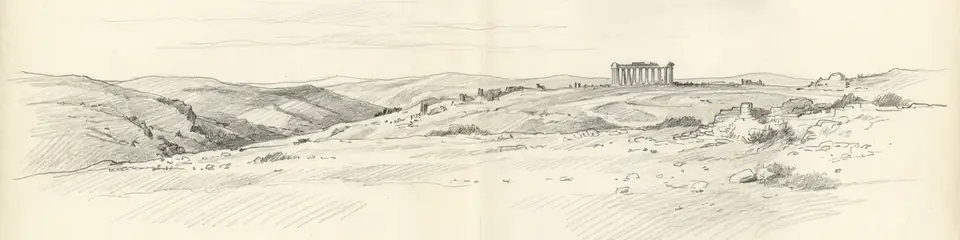
Graphite pencil sketch banner of Uzuncaburc

The Temple of Zeus Olbios is architecturally significant as one of the earliest known uses of the Corinthian order in temple architecture — predating many of the more famous Corinthian temples of the Roman world.”

De Wikipedia

Uzuncaburc (ancient Olba/Diocaesarea) is an ancient city in Mersin Province, Turkey, known for its Hellenistic Temple of Zeus Olbios and well-preserved Roman cityscape.

Leer el artículo completo en Wikipedia

Ubicación

Resumen

Uzuncaburc — ancient Olba, later renamed Diocaesarea — is one of the most atmospherically complete ancient city sites in Turkey. Situated on a limestone plateau in the foothills of the Taurus Mountains north of Silifke, the site preserves a remarkable concentration of Hellenistic and Roman architecture that gives the visitor a vivid sense of walking through an ancient city.

The Temple of Zeus Olbios, built around 300 BCE, is one of the earliest Corinthian-order temples known and one of the few Hellenistic temples in Anatolia that still stands to significant height. Its thirty columns — some still bearing their capitals and architrave — dominate the site.

"The temple of Zeus Olbios is a magnificent structure of the Hellenistic age, with columns of the Corinthian order."
— Strabo, Geographica (c. 20 BC - 23 AD)

A monumental triple-arched Roman gate from the 1st century CE marks the entrance to the city and leads to colonnaded streets lined with the remains of shops and public buildings. A well-preserved Roman theatre, nymphaeum, and tower tombs add to the cityscape, while an early Christian basilica attests to the site's continued importance into the Byzantine period.

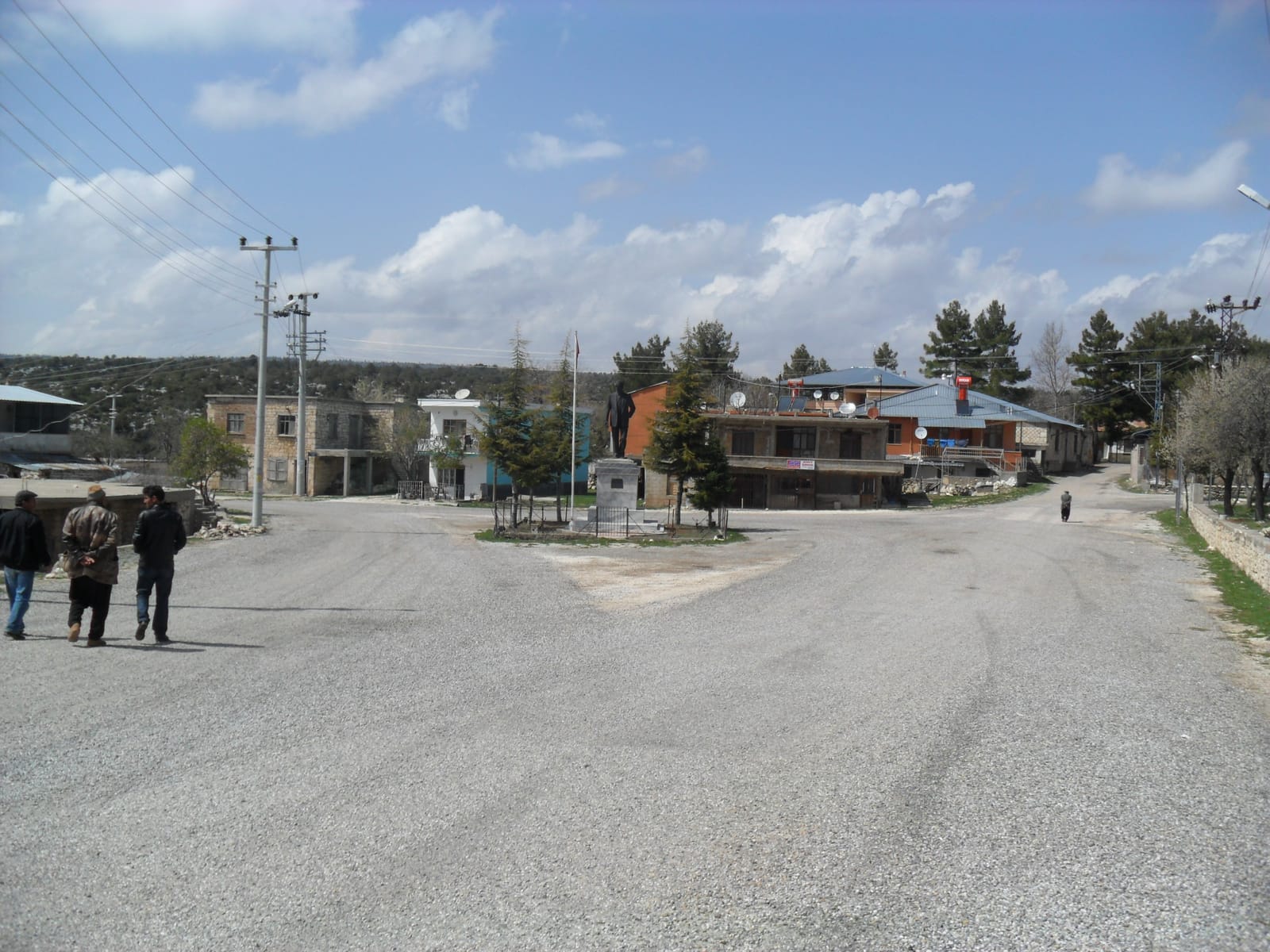
The dynasty of priest-kings who ruled from Olba controlled the surrounding territory of Rough Cilicia and maintained a degree of autonomy even under Roman rule. Their fortress at nearby Ura (modern Uzuncaburc village) served as the administrative center of this semi-independent priestly state.
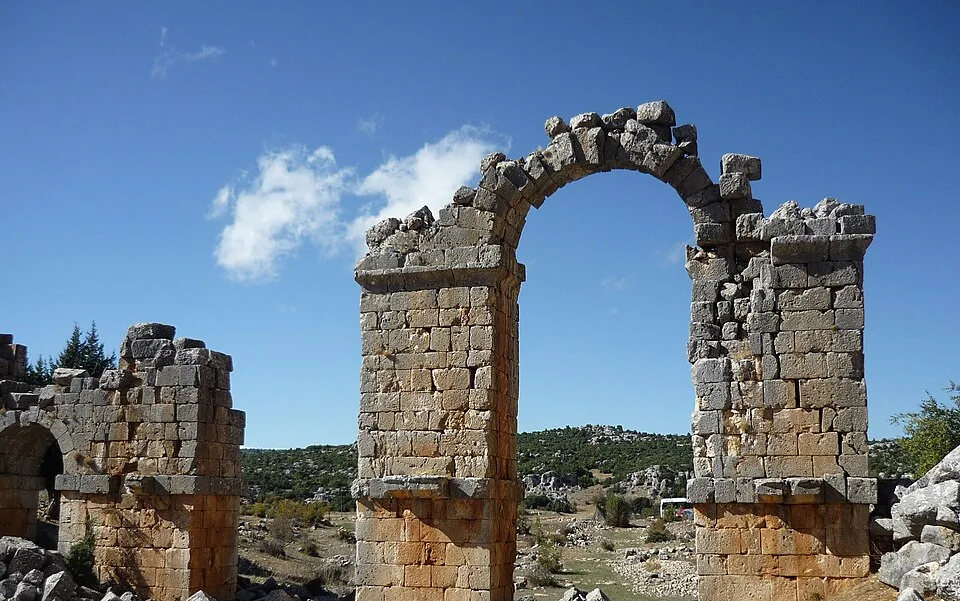
Olba ancient city Roman aqueduct ruins 2
Olba ancient city Roman aqueduct ruins 2 | Cobija (CC BY-SA 3.0)

Beyond its monumental core, the city's urban fabric reveals a sophisticated infrastructure. A Roman aqueduct channeled water from mountain springs to a central nymphaeum (fountain house) and throughout the settlement, supporting daily life and public baths. The colonnaded street, lined with shops and civic buildings, formed the commercial and social spine of Diocaesarea. The city's prosperity was underpinned by its control over strategic mountain passes connecting the coastal plain to the Anatolian plateau, facilitating trade in timber, olive oil, and wine. Following the site's peak in the Roman Imperial period, Uzuncaburc transitioned into a significant Byzantine bishopric. This phase is marked by the conversion of the Temple of Zeus into a three-aisled Christian basilica in the 5th century CE, a powerful symbol of the region's religious transformation. The city's gradual decline began after the 7th century, likely due to Arab raids and a shift in trade routes, leading to its eventual abandonment and preservation as a remarkably intact archaeological landscape.

Por qué es importante

The Temple of Zeus Olbios is architecturally significant as one of the earliest known uses of the Corinthian order in temple architecture — predating many of the more famous Corinthian temples of the Roman world. The site demonstrates how this architectural order, which would come to dominate Roman monumental building, had roots in the Hellenistic East. The priest-kings of Olba represent a fascinating political model — a theocratic dynasty that maintained autonomy within the larger Hellenistic and Roman systems. Their story illuminates the complex power arrangements of Rough Cilicia, a region notorious in antiquity for piracy and political independence.

Evidencia e interpretación

Distinguir lo bien establecido de lo que sigue en debate.

Hechos bien establecidos

3
  • The Temple of Zeus Olbios dates to approximately 300 BCE based on architectural analysis, making it one of the earliest Corinthian-order temples in the ancient world.
  • Inscriptions and coins attest to a dynasty of priest-kings (tyrants) who ruled the territory of Olba from the Hellenistic period into Roman times.
  • Strabo (Geography 14.5.10) describes the priestly dynasty of Olba and its control over Rough Cilicia.

Inferencias académicas

1
  • The wealth required to build the monumental temple likely derived from the priest-kings' control of the timber trade and piracy revenue from the Cilician coast.

Interpretaciones debatidas

2
  • Whether the priestly dynasty of Olba predates the Hellenistic period or was established by the Seleucids as a client dynasty remains debated.
  • The original function of the monumental 'Tycheion' building, located near the Temple of Zeus, is debated, with interpretations ranging from a temple to Tyche to a heroon for the priest-kings.

Descubrimiento y excavación

1890

First European survey

Dirigido por J. Theodore Bent

J. Theodore Bent surveyed the ruins and published descriptions of the temple and surrounding structures.

1938–1950

Turkish excavations

Early Turkish archaeological work documented the temple, gate, and colonnaded streets.

2001–2015

University-led excavations

Dirigido por Emel Erten

Emel Erten of Mersin University led systematic excavations and conservation of the temple, basilica, and civic buildings.

2012

Nymphaeum and Aqueduct Excavations

Dirigido por Prof. Dr. Ümit Aydınoğlu, Mersin University

Systematic excavations of the Roman nymphaeum and its water channels, clarifying the city's sophisticated water supply system.

Fotos de la comunidad

Comparte tu experiencia

¿Has visitado este sitio? Sube tus fotos para ayudar a otros a descubrirlo.

Cómo citar esta página

Atlas Anatolia. (300). Uzuncaburc. Atlas Anatolia. https://atlasanatolia.com/es/site/uzuncaburc

Contenido bajo licencia CC BY-SA 4.0 — se requiere atribución al reutilizar.

Fuentes

  • Olba/Diocaesarea and the Priest-Kings of CiliciaMatthew Trundle (2007)
  • Rough Cilicia: New Historical and Archaeological ApproachesMichael C. Hoff & Rhys F. Townsend (2013)
  • Wikipedia — UzuncaburcEnlace

Preguntas frecuentes

¿Dónde se encuentra Uzuncaburc?

Uzuncaburc se encuentra en Mersin, Mediterranean, Türkiye.

¿Qué antigüedad tiene Uzuncaburc?

Uzuncaburc se fecha aproximadamente en 300 a. C. – 700 d. C..

¿Qué civilizaciones se relacionan con Uzuncaburc?

Uzuncaburc se relaciona con Greek, Roman, Byzantine.

¿Por qué es importante Uzuncaburc?

The Temple of Zeus Olbios is architecturally significant as one of the earliest known uses of the Corinthian order in temple architecture — predating many of the more famous Corinthian temples of the Roman world.

¿Uzuncaburc es Patrimonio Mundial de la UNESCO?

Uzuncaburc no está inscrito actualmente en la Lista del Patrimonio Mundial de la UNESCO.