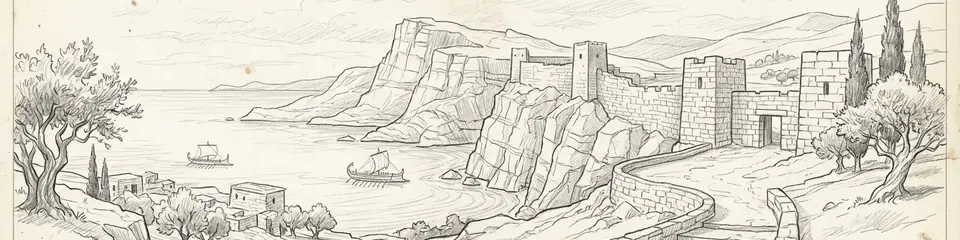
Menschen, die „wo wurde Die Odyssee gedreht“ suchen, wollen in der Regel eine Checkliste, kein Seminar. Christopher Nolan drehte The Odyssey (2026) an Originalschauplätzen in Marokko, Griechenland, Italien, Schottland, Island und bei damit verbundenen Sahara-Aufnahmen nahe Dakhla, mit wenigen Studiotagen in Los Angeles. Unten finden Sie die praktische Karte, danach eine kurze Anmerkung dazu, welche Orte Filmsets sind und welche homerische Archäologie Sie noch besuchen können.
Für den tiefergehenden Vergleich von Dichtung und Ausgrabung lesen Sie Die Odyssee auf der Leinwand: Reale Orte hinter Homers Reise.
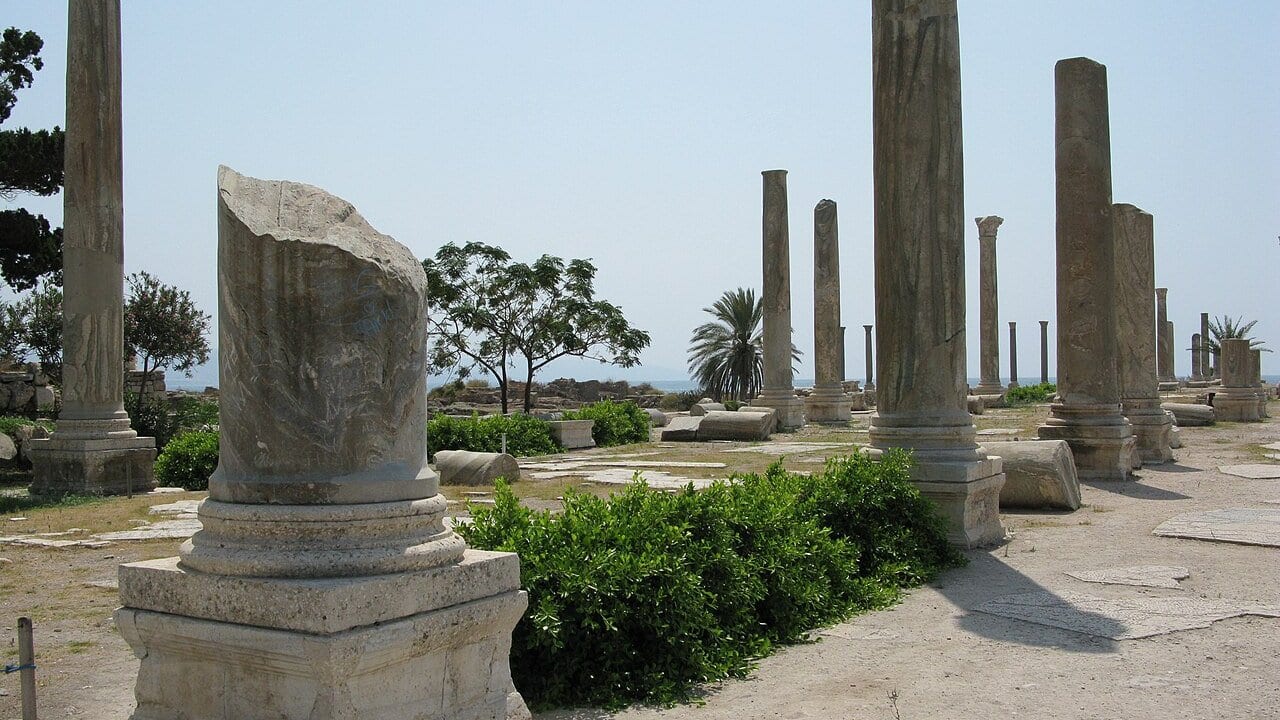
Morocco
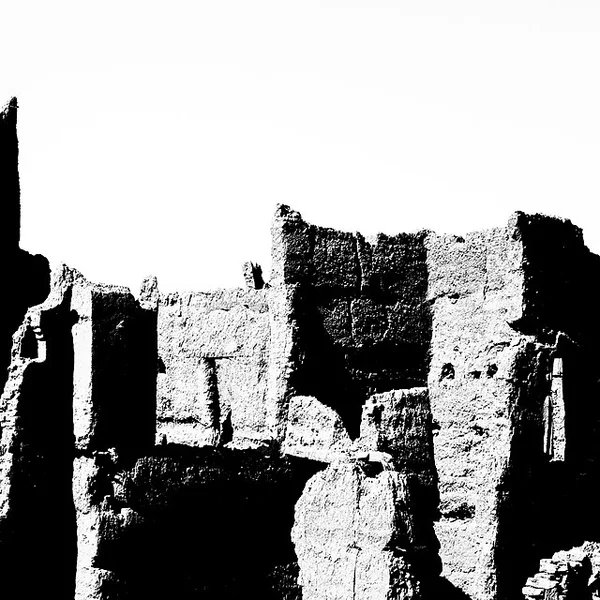
Aït Ben Haddou
Ein befestigter Ksar aus Lehm an der alten Karawanenroute zwischen der Sahara und Marrakesch, dessen gestapelt
Greece
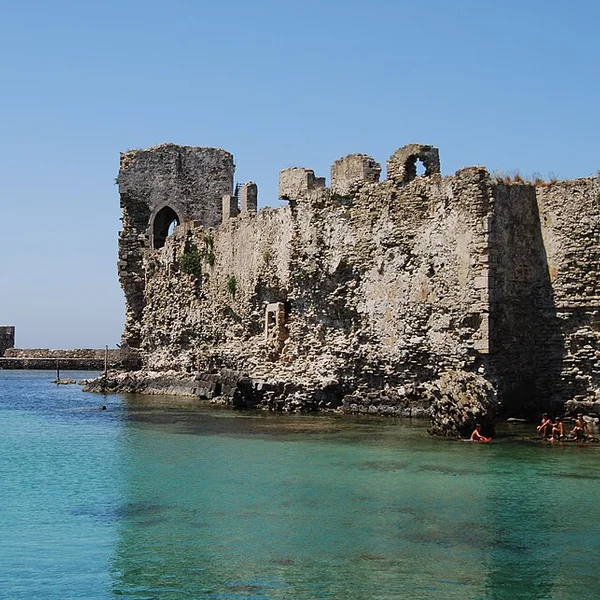
Methoni
Eine befestigte Hafenstadt an der südwestlichen Spitze des Peloponnes, gekrönt von einer venezianischen Burg,
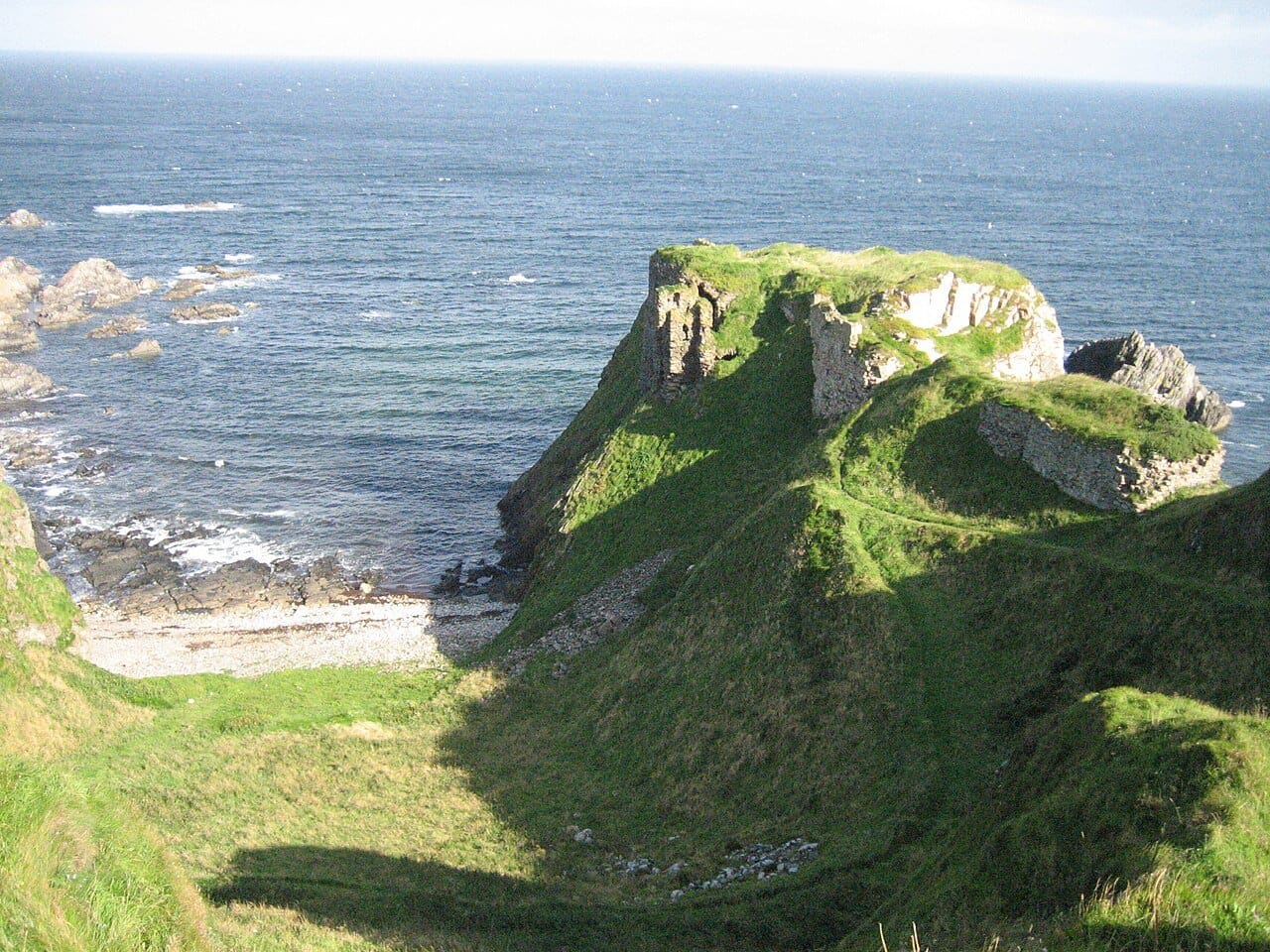
United Kingdom
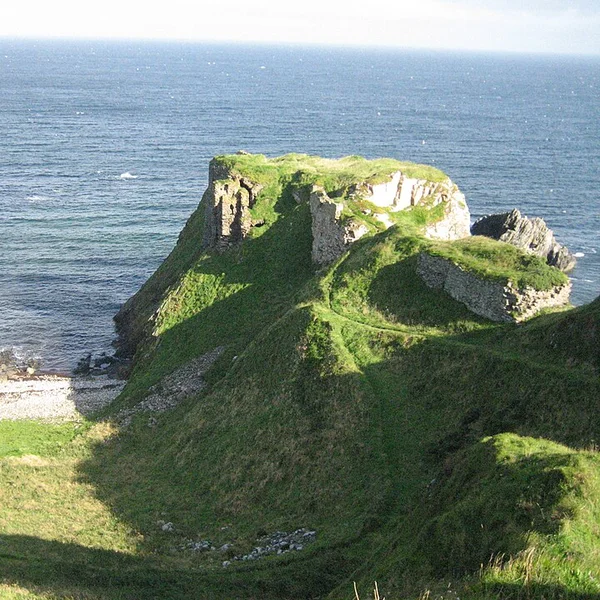
Findlater Castle
Eine verfallene Felsenburg am Moray Firth, die als schottisches Bodendenkmal unter Schutz steht und als Küsten
Greece
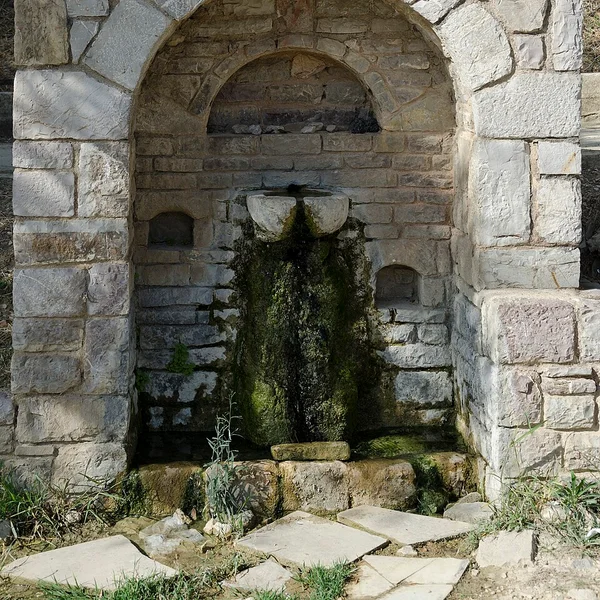
Palace of Nestor
Der am besten erhaltene mykenische Palast auf dem griechischen Festland, erbaut um 1300 v. Chr. in Englianos n
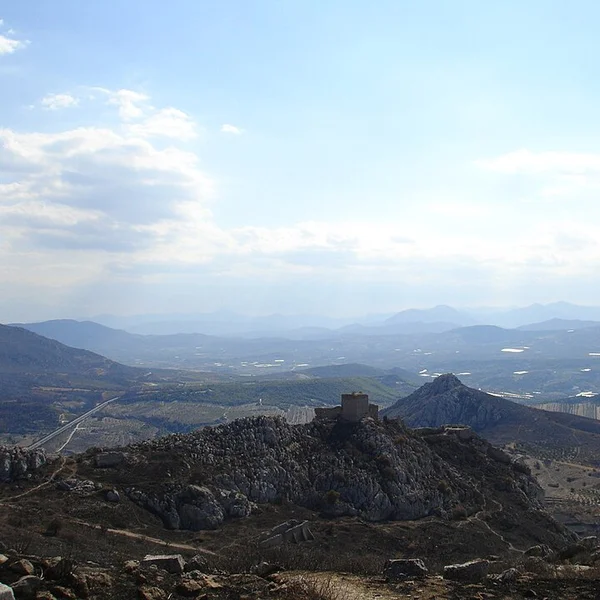
Italy
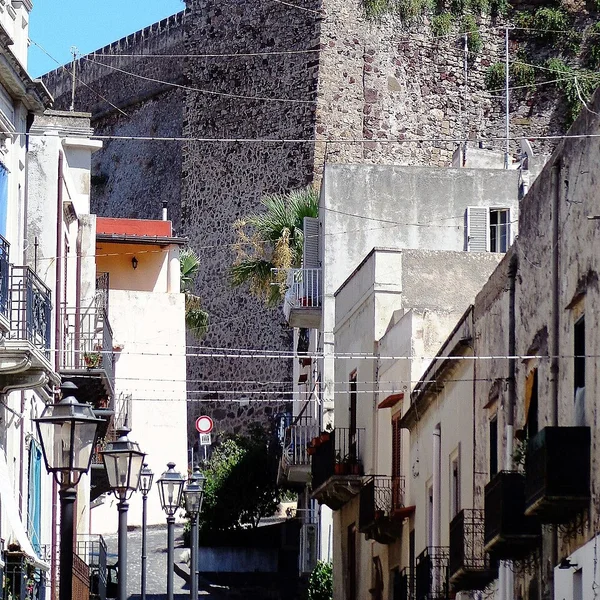
Lipari Castle
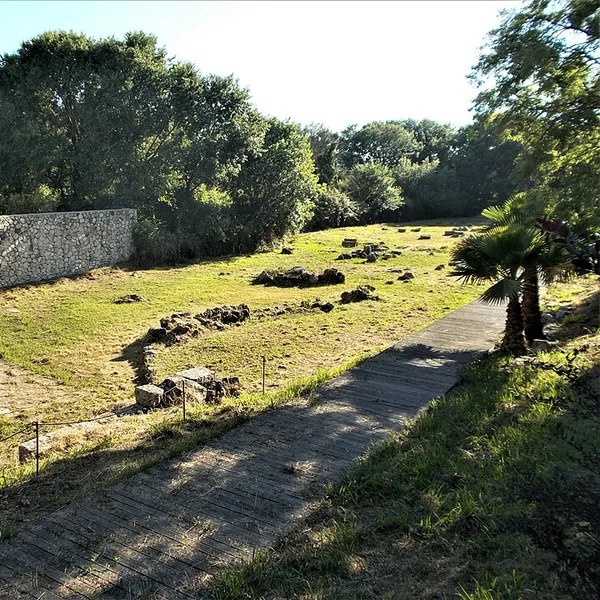
Die Lava-Akropolis von Lipari, Hauptort der Äolischen Inseln, mit Stratigraphie vom Neolithikum bis zur Klassi
Türkiye
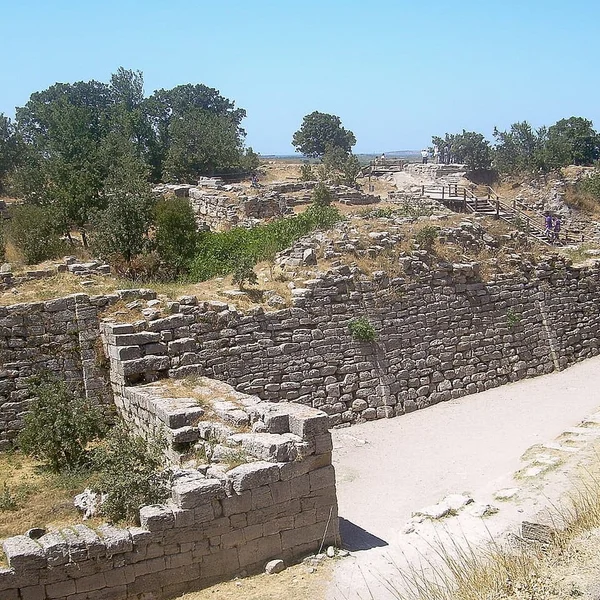
Troy
Neun Siedlungsschichten in Hisarlık im Nordwesten der Türkei, wo Heinrich Schliemann nach Homers Troja grub un
Marokko: Troja an der Karawanenstraße
Das ummauerte Troja des Films wurde in Aït Ben Haddou errichtet und gedreht, dem UNESCO-Ksar nahe Ouarzazate. Lehmige Türme, wehrhafte Gassen und Wüstenlicht stehen dort seit Lawrence von Arabien für die Antike. Auch Marrakesch und Essaouira beherbergten Drehtage. Spätere Sahara-Arbeiten nahe Dakhla (White Dune) fügten leere Dünenbilder hinzu, die das homerische Troja nie hatte.
Wenn Sie die ausgegrabene Stadt sehen möchten, die in hethitischen Texten als Wilusa genannt wird, fahren Sie nach Troja bei Hisarlık in der Türkei. Dasselbe Epos. Ein anderer Kontinent.
Griechenland: Messenien, Voidokilia, Methoni, Akrokorinth
Die griechischen Dreharbeiten konzentrierten sich im Frühjahr 2025 auf Messenien und die weitere Peloponnes. Berichten zufolge fanden kyklopennahe Aufnahmen am Strand von Voidokilia und in Nestors Höhle statt, nur einen kurzen Fußweg vom ausgegrabenen Palast des Nestor in Englianos entfernt. Die Burg von Methoni lieferte die Silhouette eines befestigten Hafens an der ionischen Küste. Auf der östlichen Peloponnes boten Akrokorinth und das Gebiet des antiken Korinth Höhenzüge und palastnahe Außenkulissen.
Diese griechischen Stationen sind die engste Überschneidung zwischen der Geografie der Filmeinheit und der bronzezeitlichen bzw. klassischen Archäologie. Telemachos besucht Nestor im Epos. Nolans Kameras besuchten Nestors Landschaft in der Realität.
Italien: Favignana, Lipari und das Äolische Meer
Sizilianische Inseleinheiten leisteten Schwerstarbeit für Marinemanöver, Schiffswracks und ithaka-nahe Strände. Favignana (Ägadische Inseln) ist der Name, der in den Ortsangaben am häufigsten auftaucht. Es handelt sich nicht um einen veröffentlichten Atlas-Ausgrabungspark, daher behandeln wir ihn als Filmgeografie. Das kulturelle Zentrum der benachbarten Vulkankette ist die Burg von Lipari, mit ihrer prähistorischen Akropolis, dem griechischen Lipàra und einem Bothros des Aiolos im Zitadellenmuseum. Vulcano und andere äolische Felsen erscheinen in den Produktionsnotizen wegen ihrer vulkanischen Textur.
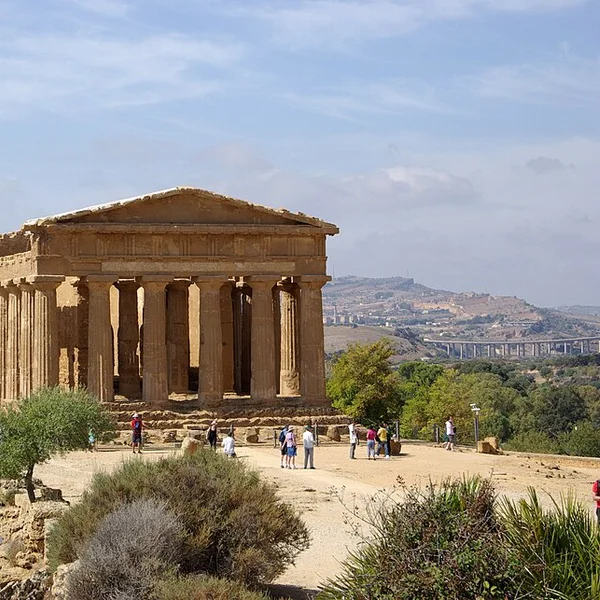
Der Tempelrücken Westsiziliens bei Agrigent ist für Filmtouristen optional und hervorragend für alle, die nach einer Woche Stränden dorischen Stein sehen möchten.
Schottland: Findlater Castle als Klippen-Ithaka
Die Küstenarbeiten am Moray Firth im Sommer 2025 nutzten Findlater Castle und den nahegelegenen Culbin Forest, als der Film einen nördlichen Klippensitz für ithaka-nahe Burg- und Küstenszenen benötigte. Die Ruine ist mittelalterliches Aberdeenshire, unter Denkmalschutz von Historic Environment Scotland. Sie ist nicht das homerische Ithaka. Für die Debatte um die Ionische Insel beginnen Sie bei Ithaka und vergleichen Sie mit Korfus Palaeopolis, wenn Sie der phaiakischen Tradition folgen.
Island: Licht der Unterwelt
Buch 11 schickt Odysseus, die Toten zu befragen. Nolan nutzte isländischen schwarzen Sand und Küstenfelsen (Hjörleifshöfði, Snæfellsnes, Markarfljót und zugehörige Hafenzufahrten) für die Unterweltsequenzen. Das sind Landschaften, keine Linear-B-Tafeln. Der Atlas führt sie nicht als archäologische Stätten.
Schnelle Antworten, die Menschen bei Google eintippen
Wo wurde Nolans Odyssey gedreht? Marokko (Aït Ben Haddou, Dakhla), Griechenland (Messenien, Methoni, Akrokorinth), Italien (Favignana und äolische Gewässer), Schottland (Findlater / Moray), Island (Unterwelt-Einheiten), dazu US-Studioarbeiten.
Ist der Film Troja das echte Troja? Nein. Der Film nutzte Aït Ben Haddou. Die Ausgrabung ist Troja.
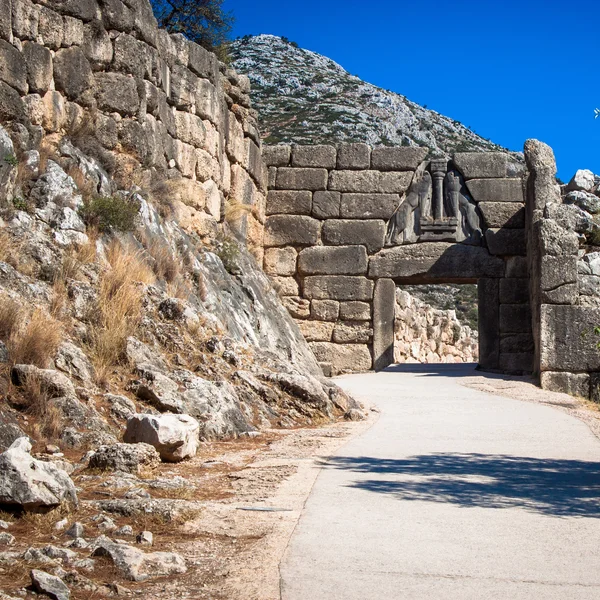
Kann ich das Mykene aus dem Film besuchen? Mykene ist zentrale homerische Archäologie und die Fahrt wert, auch wenn eine bestimmte Einstellung einen anderen Bergrücken verwendete. Kombinieren Sie es mit Tiryns und dem Palast des Nestor.
Was ist mit Ithaka? Das Film-Ithaka entlieh sich Favignana und schottische Klippen. Das homerische Ithaka bleibt das ionische Problem, das sich um Ithaka dreht.
Wie man eine Reise aus den Suchergebnissen plant
- Marokko-Tag: Aït Ben Haddou für das Film-Troja.
- Griechenland-Schleife: Methoni, Palast des Nestor / Voidokilia, Akrokorinth, dann Mykene, falls noch Zeit bleibt.
- Optionale Inseln: Lipari wegen des Aiolia-Erbes, Korfu-Palaiopolis wegen der Phaiaken-Tradition, Ithaka wegen der Heimat-Debatte.
- Schottland-Ergänzung: Findlater, falls Sie bereits im Nordosten sind.
Diese Route beantwortet die Frage nach den Drehorten und führt Sie dennoch auf ausgegrabenen Boden. Für Belegdaten, Datierungen und Vergleichswerkzeuge über das gesamte homerische Set nutzen Sie den redaktionellen Odyssee-Orte-Leitfaden.
Zuletzt aktualisiert: Juli 2026