
تخط إلى المحتوى
Atlas Anatolia
أخبارأسنان من العصر الجليدي في سولاويزي تدفع استخدام التنبول إلى ما يصل إلى 25,000 عاماكتشاف فسيفساء رومانية ورأس إيروس في بازيليكا بومبيوبوليس، كاستامونو
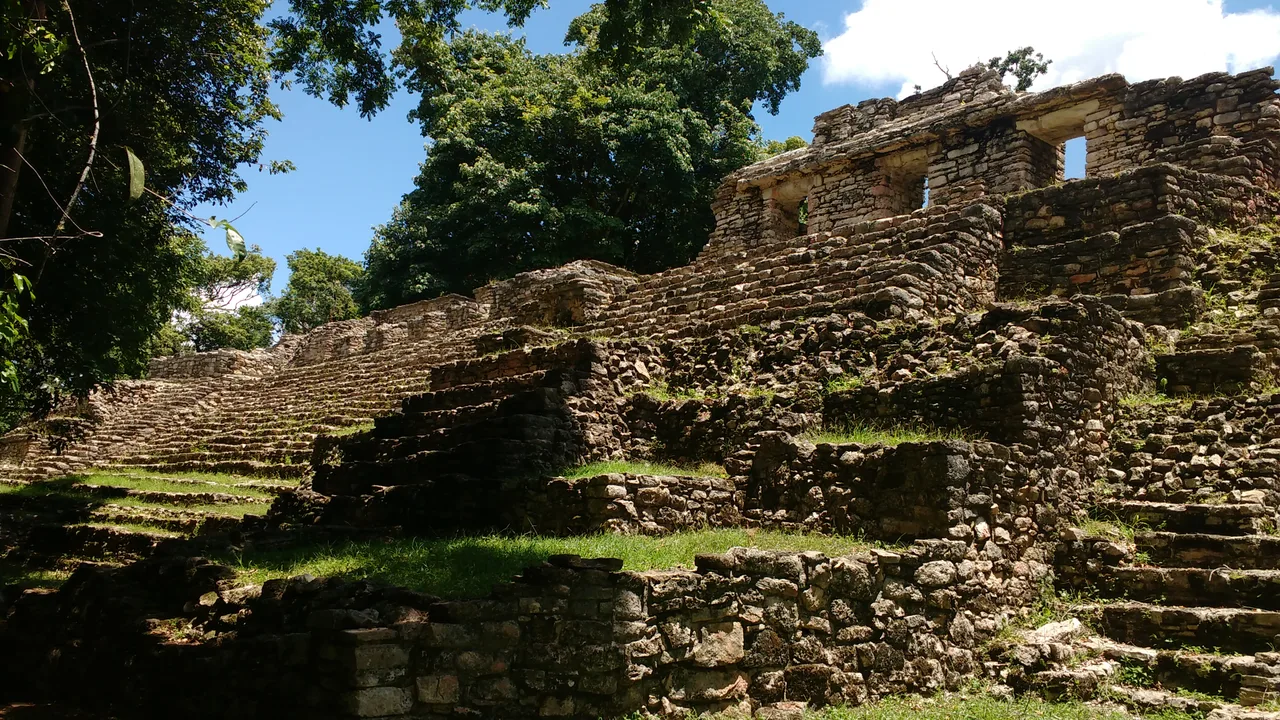
Temple 33 with roof comb rising above the jungle at Yaxchilan, Chiapas, Mexico

Wikimedia Commons

Country Record

Known by the Most Names in Mexico

مدينة

Yaxchilan

Seyfi Cem Baskin

250 م – 900 م

A Classic Maya city perched on a dramatic bend of the Usumacinta River in the Chiapas jungle — renowned for its stone lintels, the finest narrative sculpture in Mesoamerican art, which record in astonishing detail the blood rituals, warfare, and dynastic politics of its 8th-century rulers.

31
اهتمام 54

الموقع

المكسيك

16.90°N · 90.97°W · أمريكا الشمالية

Peak

7th-8th century CE under Shield Jaguar II and Bird Jaguar IV

Famous for

Carved stone lintels — finest narrative sculpture in Mesoamerica

Location

Horseshoe bend of the Usumacinta River; accessible only by boat

British Museum

Lintels 24, 25, 26 (bloodletting scenes) removed in 19th century

Discovery

Documented by Alfred Maudslay in 1882

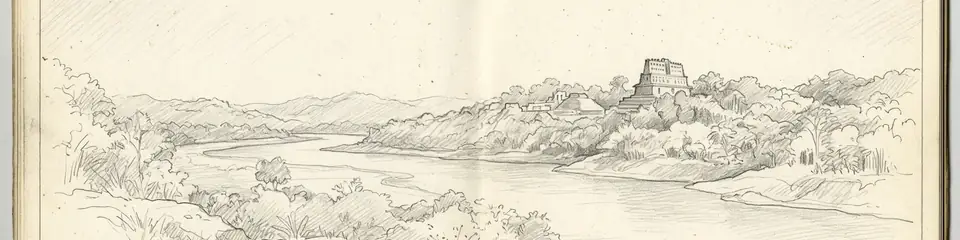
Graphite pencil sketch banner of Yaxchilan

“Yaxchilan is the supreme example of Maya dynastic narrative art — a site where every carved surface is a chapter in the political and spiritual biography of its rulers.”

الموقع

نظرة عامة

Yaxchilan stands on a horseshoe bend of the Usumacinta River, which forms the border between Mexico and Guatemala in the dense Lacandon jungle. The site is accessible only by boat, adding to its atmosphere of remoteness and mystery. It was one of the most powerful Classic Maya cities of the western lowlands, closely allied with and often at war with its powerful neighbours Palenque and Piedras Negras, and an ally of the great rival Caracol and Calakmul against Tikal.

The city reached its greatest power under two extraordinary rulers: Shield Jaguar II (ruled c. 681-742 CE) and his son Bird Jaguar IV (ruled 752-768 CE), whose lives and rituals are recorded in obsessive detail in the site's remarkable sculptural programme. Yaxchilan is above all famous for its lintels — carved stone beams spanning the doorways of its temples — which depict bloodletting rituals, captive sacrifice, accession ceremonies, and battle scenes with a narrative specificity and artistic quality unmatched in Maya art.

The most celebrated are Lintels 24, 25, and 26, now in the British Museum, which show Lady Xoc (chief wife of Shield Jaguar) drawing a rope of thorns through her tongue to draw blood in a vision ritual, and the subsequent vision serpent from whose mouth an ancestor appears. These carvings are among the masterpieces of world art. In the jungle, numerous stelae, carved altars, and buildings with intact roof combs rising above the tree canopy create one of the most atmospheric archaeological landscapes in the Americas.

Yaxchilan was never found by Spanish conquistadors and was effectively unknown to the outside world until 1882, when Alfred Maudslay documented it.

لماذا يهم

Yaxchilan is the supreme example of Maya dynastic narrative art — a site where every carved surface is a chapter in the political and spiritual biography of its rulers. Its lintels do not merely decorate; they are propaganda, theology, and history simultaneously, depicting the sacrificial bloodletting through which Maya kings renewed the cosmos and legitimised their power. The discovery that Maya writing could be read — a breakthrough achieved in the 1950s-1970s — transformed Yaxchilan from a mysterious ruin into a legible text. We can now read the names, dates, and actions of its rulers on their own terms, making Yaxchilan one of a handful of ancient sites where the people who built it can speak to us directly through their own words. The site is also one of the great examples of Maya architectural integration with landscape: its buildings cascade down a hillside above the river bend in a composition that is as much landscape art as it is architecture.

الأدلة والتفسير

التمييز بين ما هو راسخ وما لا يزال موضع نقاش.

حقائق راسخة

3
  • The hieroglyphic inscriptions on lintels and stelae have been largely deciphered, providing precise Long Count dates and the names of rulers from Shield Jaguar II (c. 681-742 CE) to Bird Jaguar IV (752-768 CE) and beyond.
  • Lintels 24-26 (now in the British Museum) depict Lady Xoc performing autosacrifice by drawing a rope through her tongue; the iconography exactly matches descriptions of bloodletting ritual in other Maya texts and the Dresden Codex.
  • Architectural analysis and radiocarbon dating confirm occupation from the Preclassic period onward, with the main building phase concentrated in the Late Classic (600-800 CE).

استنتاجات علمية

1
  • The political relationship between Yaxchilan and its rivals (Palenque, Piedras Negras, Tikal) is inferred primarily from the war-captive imagery and dedicatory texts on monuments; direct diplomatic correspondence does not survive.

صور المجتمع

شارك تجربتك

هل قمت بزيارة هذا الموقع؟ ارفع صورك لمساعدة الآخرين في اكتشافه.

كيفية الاستشهاد بهذه الصفحة

Atlas Anatolia. (250). Yaxchilan. Atlas Anatolia. https://atlasanatolia.com/ar/site/yaxchilan

المحتوى مرخّص بموجب CC BY-SA 4.0 — يجب ذكر المصدر عند إعادة الاستخدام.

المصادر

  • Yaxchilan: The Design of a Maya Ceremonial City — Tate, Carolyn E. (1992)
  • Chronicle of the Maya Kings and Queens — Martin, Simon & Grube, Nikolai (2008)

الأسئلة الشائعة

أين يقع Yaxchilan؟

يقع Yaxchilan في Mexico.

كم يبلغ عمر Yaxchilan؟

يعود تاريخ Yaxchilan إلى حوالي 250 م – 900 م.

ما هي الحضارات المرتبطة بـ Yaxchilan؟

يرتبط Yaxchilan بحضارة Maya.

لماذا يعتبر Yaxchilan مهماً؟

Yaxchilan is the supreme example of Maya dynastic narrative art — a site where every carved surface is a chapter in the political and spiritual biography of its rulers.

هل Yaxchilan موقع تراث عالمي لليونسكو؟

Yaxchilan غير مدرج حالياً في قائمة التراث العالمي لليونسكو.