
تخط إلى المحتوى
Atlas Anatolia
أخبارأسنان من العصر الجليدي في سولاويزي تدفع استخدام التنبول إلى ما يصل إلى 25,000 عاماكتشاف فسيفساء رومانية ورأس إيروس في بازيليكا بومبيوبوليس، كاستامونو
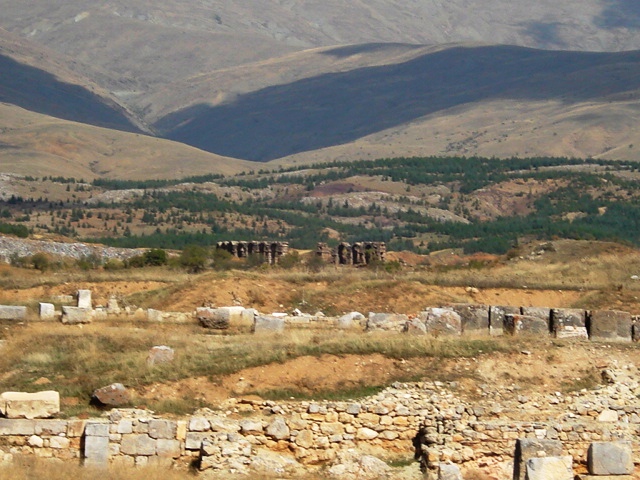
Ruins of the Augustus Temple sanctuary at Antioch in Pisidia

Wikimedia Commons

مدينة

Yalvac (Antioch in Pisidia)

Seyfi Cem Baskin

Yalvac280 ق.م – 700 م

The site where St. Paul delivered his first recorded sermon, a major Roman colony in the Pisidian lake district with a monumental Augustus Temple and well-preserved civic center.

321
اهتمام 50

الموقع

Isparta · Mediterranean · تركيا

38.30°N · 31.18°E · آسيا

St. Paul

Site of his first recorded sermon (Acts 13, c. 47 CE)

Augustus Temple

Monumental imperial cult sanctuary with Res Gestae inscription

Colonial Status

Roman colony (Colonia Caesareia) under Augustus

Province

Isparta, Pisidian lake district of central Anatolia

Notable Finds

The 'Propylon of Augustus', a monumental triple-arched gateway dedicated to the emperor, and a large nymphaeum (fountain house).

Dating Method

Extensive use of epigraphy (inscriptions) and numismatics (coinage) to establish chronology, supported by stratigraphy from modern excavations.

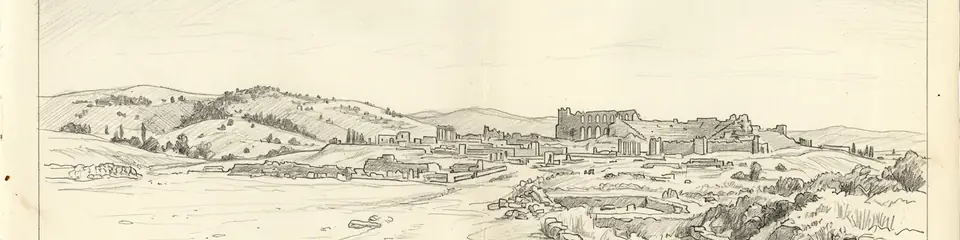
Graphite pencil sketch banner of Yalvac (Antioch in Pisidia)

“As the location of St.”

من ويكيبيديا

Antioch in Pisidia (modern Yalvac) was a major Roman colony where St. Paul delivered his first recorded sermon, with a monumental Augustus Temple and civic center.

اقرأ المقال الكامل على ويكيبيديا →

الموقع

نظرة عامة

Yalvac — ancient Antioch in Pisidia — occupies a strategic position on the road connecting the Aegean coast to the Anatolian interior, near the beautiful lake district of Isparta province. Founded by the Seleucid dynasty in the 3rd century BCE and later established as a Roman colony by Augustus, the city became one of the most important urban centers of central Anatolia.

The site holds particular significance for the history of Christianity. According to the Acts of the Apostles (chapters 13-14), St. Paul visited Antioch in Pisidia during his first missionary journey around 46-48 CE and delivered his first recorded sermon in the city's synagogue. This sermon, laying out the theological case for Christianity's fulfillment of Jewish prophecy, marks a pivotal moment in the spread of Christianity beyond the Jewish community.

"Antioch of Pisidia is a Roman colony. I have myself seen the city and the lake in front of it."
— Strabo, c. 7 BCE - 23 CE

The monumental sanctuary of Augustus (the Imperial cult temple) dominates the upper city, featuring a propylaeum, temenos, and semicircular plaza. The Res Gestae — Augustus's account of his achievements — was inscribed on the temple walls, with fragments providing important textual evidence for this key Roman document. The civic center below includes a large theatre, bath complex, colonnaded streets, and an aqueduct.

The Yalvac Museum houses an exceptional collection of artifacts from the site, including inscriptions, sculpture, and architectural elements that document the city's life across centuries.
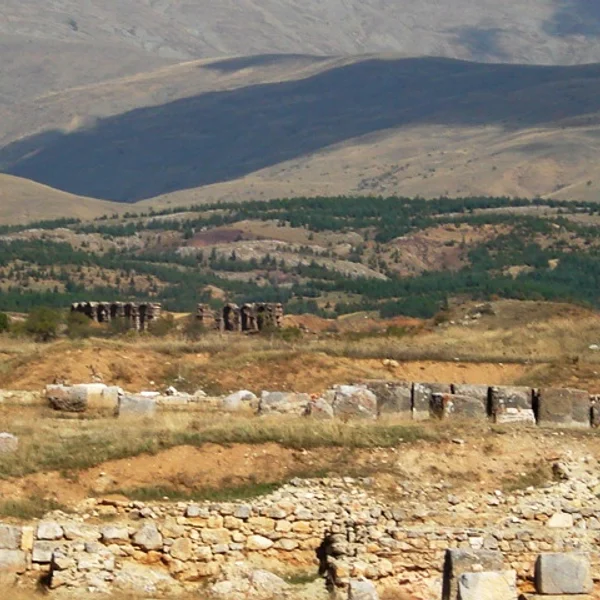
Augustus Temple sanctuary ruins at Antioch in Pisidia near Yalvaç
Dosseman / Wikimedia Commons (CC BY-SA 4.0)

The city's urban plan, laid out on a Hippodamian grid, featured a monumental cardo maximus and decumanus. Its public infrastructure was extensive, including a large theater built into the hillside, a bath-gymnasium complex, and a sophisticated water supply system fed by a 10km-long aqueduct terminating in a grand nymphaeum. These structures reflect the wealth and Roman colonial identity of its inhabitants, who engaged in agriculture, local crafts, and trade facilitated by the city's position on the Sebaste Road connecting the Anatolian plateau to Pamphylia.

Antioch prospered into the late Roman and early Byzantine periods, becoming a bishopric. However, its strategic location also made it vulnerable. The city suffered from Arab raids in the 7th and 8th centuries CE, which, combined with shifting trade routes and regional instability, led to a gradual decline. By the 12th century, the urban center had largely been abandoned, with settlement shifting to the modern town of Yalvaç nearby, leaving the ancient ruins remarkably well-preserved for archaeological investigation.

لماذا يهم

As the location of St. Paul's first recorded sermon, Antioch in Pisidia is one of the most significant sites in early Christian history. The sermon described in Acts 13 represents the moment when Paul began articulating Christianity's universal message to a mixed audience of Jews and Gentiles. The Augustan sanctuary and its Res Gestae inscription connect the site to the highest levels of Roman imperial ideology and propaganda. Together, the pagan temple and the Christian heritage illustrate the dramatic religious transformation that reshaped the Roman world.

الأدلة والتفسير

التمييز بين ما هو راسخ وما لا يزال موضع نقاش.

حقائق راسخة

3
  • Fragments of the Res Gestae Divi Augusti were found inscribed on the Augustus Temple walls, providing important textual variants for this key Roman document.
  • Inscriptions identify the city as Colonia Caesareia Antiocheia, confirming its status as a Roman colony with full colonial rights under Augustus.
  • Acts 13:14-52 provides a detailed account of Paul's visit and sermon at Antioch in Pisidia, one of the most fully narrated episodes in Paul's missionary journeys.

استنتاجات علمية

2
  • The size of the synagogue mentioned in Acts and the city's cosmopolitan population suggest a significant Jewish community facilitating early Christian missionary work.
  • The city's orthogonal street grid and central colonnaded street (cardo maximus) reflect a comprehensive Augustan-era urban redesign following its establishment as a Roman colony.

تفسيرات متنازع عليها

1
  • Whether the Augustus Temple was built entirely under Augustus or incorporated an earlier Seleucid sanctuary is debated based on architectural analysis.

الاكتشاف والتنقيب

1913–1914

Ramsay and Callander excavations

بقيادة William Mitchell Ramsay

William Mitchell Ramsay conducted early excavations identifying the Augustus Temple and recovering fragments of the Res Gestae inscription.

1924

Michigan expedition

University of Michigan team excavated the sanctuary of Augustus, recovering additional architectural elements and inscriptions.

1979

Turkish Rescue Excavations

بقيادة Ministry of Culture and Ankara University

Systematic excavations and conservation work initiated by the Turkish Ministry of Culture and continued by Ankara University, focusing on the city center and major monuments.

2008–2018

Turkish university excavations

Suleyman Demirel University excavations focused on the lower city, revealing the colonnaded street, bath complex, and residential quarters with mosaics.

صور المجتمع

شارك تجربتك

هل قمت بزيارة هذا الموقع؟ ارفع صورك لمساعدة الآخرين في اكتشافه.

كيفية الاستشهاد بهذه الصفحة

Atlas Anatolia. (280). Yalvac (Antioch in Pisidia). Atlas Anatolia. https://atlasanatolia.com/ar/site/yalvac

المحتوى مرخّص بموجب CC BY-SA 4.0 — يجب ذكر المصدر عند إعادة الاستخدام.

المصادر

  • St. Paul the Traveller and Roman Citizen — William Mitchell Ramsay (1895)
  • Roman Antioch in Pisidia: The Res Gestae and the Augustus Temple — Adrian Ossi (2017)
  • Wikipedia — Antioch of Pisidiaرابط

الأسئلة الشائعة

أين يقع Yalvac (Antioch in Pisidia)؟

يقع Yalvac (Antioch in Pisidia) في Isparta, Mediterranean, Türkiye.

كم يبلغ عمر Yalvac (Antioch in Pisidia)؟

يعود تاريخ Yalvac (Antioch in Pisidia) إلى حوالي 280 ق.م – 700 م.

ما هي الحضارات المرتبطة بـ Yalvac (Antioch in Pisidia)؟

يرتبط Yalvac (Antioch in Pisidia) بحضارة Greek, Roman, Early Christian.

لماذا يعتبر Yalvac (Antioch in Pisidia) مهماً؟

As the location of St.

هل Yalvac (Antioch in Pisidia) موقع تراث عالمي لليونسكو؟

Yalvac (Antioch in Pisidia) غير مدرج حالياً في قائمة التراث العالمي لليونسكو.