
تخط إلى المحتوى
Atlas Anatolia
أخبارأسنان من العصر الجليدي في سولاويزي تدفع استخدام التنبول إلى ما يصل إلى 25,000 عاماكتشاف فسيفساء رومانية ورأس إيروس في بازيليكا بومبيوبوليس، كاستامونو
Registan square with three madrasas in Samarkand

Wikimedia Commons (CC BY-SA 3.0)

تراثمدينةاليونسكومميز

Samarkand

Seyfi Cem Baskin

Самарқанд700 ق.م – 1700 م

Timur’s capital on the Zeravshan — crowned by the Registan’s three tiled madrasas — was the ceremonial and scholarly heart of a Silk Road empire linking Persia, India, and the steppe.

21
اهتمام 81

الموقع

أوزبكستان

39.65°N · 66.98°E · آسيا

Ancient name

Maracanda (Sogdian)

Timurid capital

Late 14th century under Timur

Registan

Three madrasas, 15th–17th c.

UNESCO

Historic Town of Samarkand (2001)

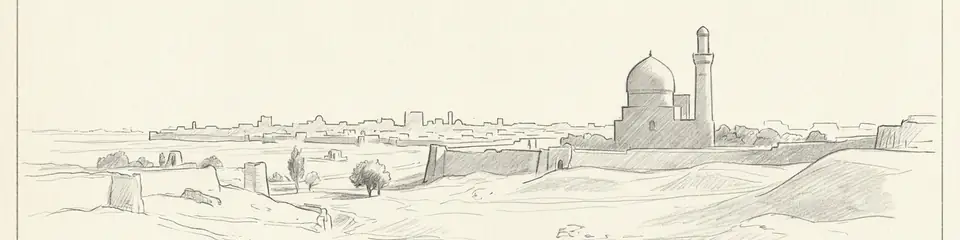
Graphite pencil sketch banner of Samarkand

“Samarkand concentrates Timurid political theology, astronomy, and tile architecture in one walkable historic centre.”

الموقع

نظرة عامة

Samarkand (ancient Maracanda) sits in the Zeravshan Valley of modern Uzbekistan. An Iron Age and Sogdian centre conquered by Alexander, it later flourished under Sogdian merchants before Mongol destruction in 1220. Timur (Tamerlane) made Samarkand his capital in the late 14th century; his grandson Ulugh Beg built a madrasa and observatory that made the city a scientific as well as dynastic stage. The Registan square — Ulugh Beg Madrasa (1417–21), Sher-Dor (1619–36), and Tilya-Kori (17th century) — forms the postcard ensemble of turquoise domes and pishtaq façades.

Beyond the Registan, the Bibi-Khanym Mosque, Gur-e-Amir mausoleum, and Shah-i-Zinda necropolis preserve Timurid brick and tile craft at imperial scale. UNESCO inscribed the Historic Town of Samarkand in 2001. Pair with Merv and Jiaohe for earlier Silk Road urbanisms further east and west.

لماذا يهم

Samarkand concentrates Timurid political theology, astronomy, and tile architecture in one walkable historic centre. It is essential for understanding how post-Mongol Central Asian empires staged legitimacy on the Silk Road.

الأدلة والتفسير

التمييز بين ما هو راسخ وما لا يزال موضع نقاش.

حقائق راسخة

2
  • Timurid building inscriptions, waqf documents, and standing madrasas securely date the Registan ensemble and Gur-e-Amir complex.
  • Archaeology at Afrasiyab (ancient Samarkand) documents Sogdian and earlier occupation beneath and beside the Timurid city.

استنتاجات علمية

1
  • Ulugh Beg’s observatory programme positioned Samarkand as a scientific capital rivaling contemporary Islamic and European courts.

صور المجتمع

شارك تجربتك

هل قمت بزيارة هذا الموقع؟ ارفع صورك لمساعدة الآخرين في اكتشافه.

كيفية الاستشهاد بهذه الصفحة

Atlas Anatolia. (700). Samarkand. Atlas Anatolia. https://atlasanatolia.com/ar/site/samarkand

المحتوى مرخّص بموجب CC BY-SA 4.0 — يجب ذكر المصدر عند إعادة الاستخدام.

المصادر

  • The Rise and Rule of Tamerlane — Manz, Beatrice Forbes (1989)
  • UNESCO — Samarkand – Crossroad of Culturesرابط

الأسئلة الشائعة

أين يقع Samarkand؟

يقع Samarkand في Uzbekistan.

كم يبلغ عمر Samarkand؟

يعود تاريخ Samarkand إلى حوالي 700 ق.م – 1700 م.

ما هي الحضارات المرتبطة بـ Samarkand؟

يرتبط Samarkand بحضارة Timurid, Sogdian.

لماذا يعتبر Samarkand مهماً؟

Samarkand concentrates Timurid political theology, astronomy, and tile architecture in one walkable historic centre.

هل Samarkand موقع تراث عالمي لليونسكو؟

نعم — Samarkand مدرج في قائمة التراث العالمي لليونسكو.