
تخط إلى المحتوى
Atlas Anatolia
أخبارأسنان من العصر الجليدي في سولاويزي تدفع استخدام التنبول إلى ما يصل إلى 25,000 عاماكتشاف فسيفساء رومانية ورأس إيروس في بازيليكا بومبيوبوليس، كاستامونو
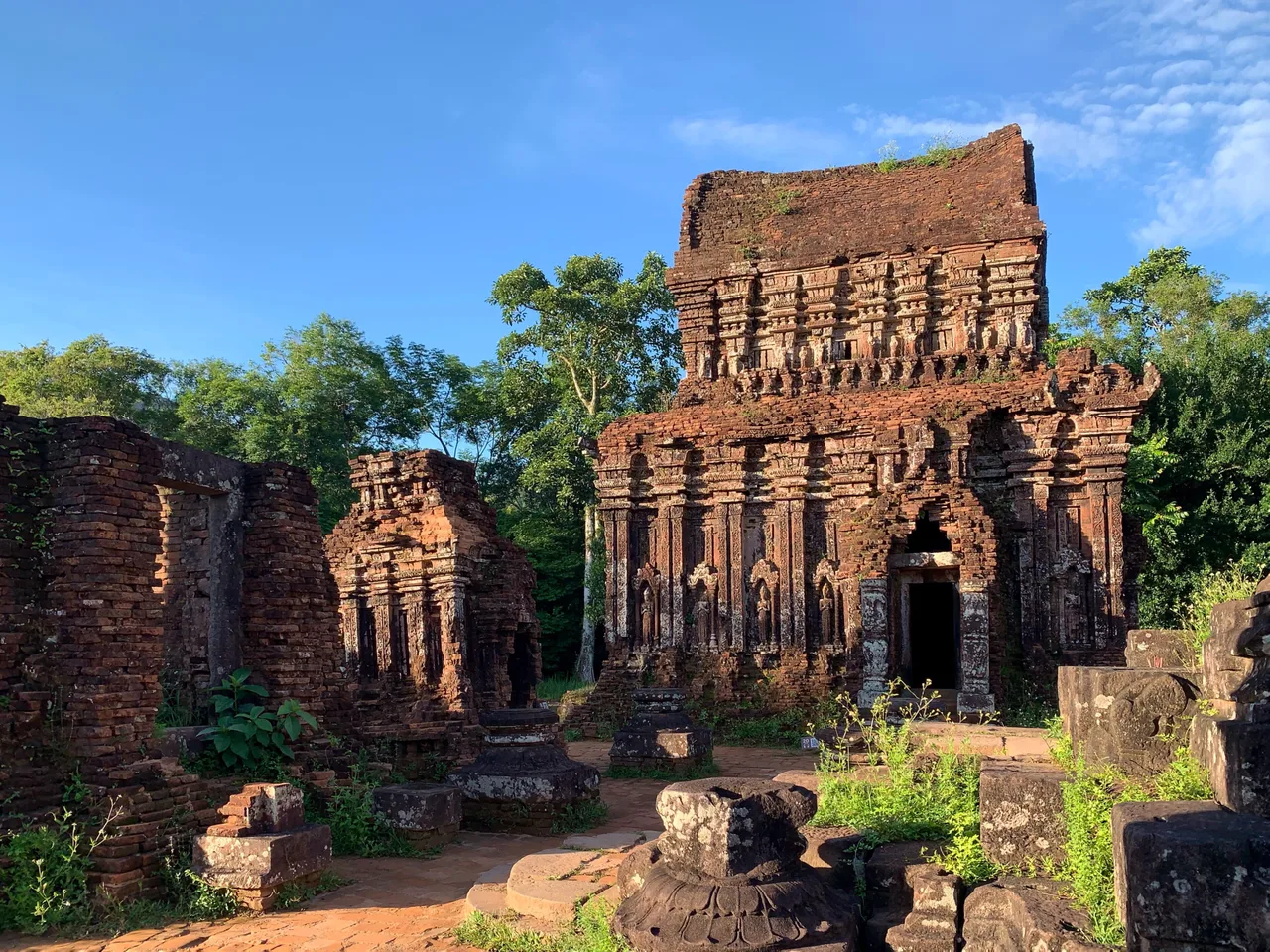
Red-brick Cham temple towers at My Son Sanctuary, Vietnam

Wikimedia Commons

معبداليونسكومميز

My Son Sanctuary

Seyfi Cem Baskin

Khu den thap My Son350 م – 1200 م

The sacred heartland of the Cham Kingdom — a valley of red-brick Hindu temple towers in central Vietnam that served as the main royal religious centre for nearly a millennium and ranks among the most important archaeological sites in Southeast Asia.

31
اهتمام 17

Active

c. 4th-13th century CE (nearly 1,000 years)

Temples

Over 70 brick temple towers originally; c. 20 survive

Dedication

Primarily to Siva, syncretically merged with Cham kings

Construction

Fired brick with sandstone carvings; adhesive technique not fully replicated

War damage

Many towers destroyed by US bombing in 1969

UNESCO

World Heritage Site 1999

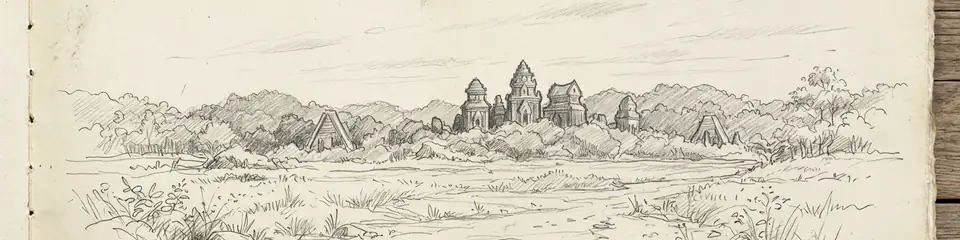
Graphite pencil sketch banner of My Son Sanctuary

“My Son is the primary monument of Cham civilisation and the most important Hindu sacred site in Southeast Asia outside of Bali.”

الموقع

نظرة عامة

My Son lies in a secluded valley surrounded by jungle-covered mountains in Quang Nam province, central Vietnam, about 40 kilometres from the ancient Cham trading port of Hoi An. The valley was selected as a royal sanctuary by Cham kings around the 4th century CE and remained their principal religious site until the 13th century — nearly a thousand years during which successive dynasties built, repaired, and expanded a complex of more than seventy temples and towers dedicated primarily to the Hindu god Siva.

The Cham were a Malayo-Polynesian-speaking people who dominated central and southern Vietnam from roughly the 2nd to the 15th century CE. Their kingdom absorbed profound cultural influences from India — Hindu religion, Sanskrit learning, temple architecture — while developing a distinctive artistic style of remarkable quality. Royal steles found at My Son record the consecration of temples and the donation of land and slaves to the sanctuary's priests.

The temples are built in fired brick decorated with elaborate sandstone carvings of Hindu deities, dancers, mythological animals, and abstract ornament. The towers taper into curvilinear spires transformed into a distinctive Cham style from the Indian shikhara. The site suffered severe bombing during the Vietnam War — many towers destroyed in 1969 — and UNESCO inscribed the surviving structures in 1999.

لماذا يهم

My Son is the primary monument of Cham civilisation and the most important Hindu sacred site in Southeast Asia outside of Bali. It represents the easternmost reach of Indian religious and artistic influence and demonstrates how a maritime Southeast Asian civilisation absorbed and transformed South Asian culture into something entirely its own. The sanctuary bridges the Hindu and Buddhist traditions and contains inscriptions in Sanskrit and Old Cham that are among the most important sources for Cham history. Its partial destruction in the Vietnam War gives it additional historical weight as a site of both ancient and recent catastrophe. The Cham artistic tradition visible here — especially the sandstone sculptures — is among the greatest achievements of Southeast Asian art.

الأدلة والتفسير

التمييز بين ما هو راسخ وما لا يزال موضع نقاش.

حقائق راسخة

3
  • Inscribed steles in Sanskrit and Old Cham found at the site record the founding of temples from the 4th century CE onward, naming Cham kings and their religious dedications — the primary written evidence for Cham royal history.
  • Fired-brick construction with mortar of undetermined composition (possibly a resin-based adhesive) has been confirmed by analysis of surviving towers; modern experiments have not fully replicated the technique.
  • Sandstone sculptures have been dated by art-historical analysis to successive periods spanning the 7th to 13th centuries, tracing a thousand years of Cham artistic development.

استنتاجات علمية

1
  • The valley's selection as a sacred site may reflect both its seclusion (appropriate for a royal sanctuary) and a natural spring associated with the linga of Siva; the precise founding myth is not recorded in surviving inscriptions.

صور المجتمع

شارك تجربتك

هل قمت بزيارة هذا الموقع؟ ارفع صورك لمساعدة الآخرين في اكتشافه.

كيفية الاستشهاد بهذه الصفحة

Atlas Anatolia. (350). My Son Sanctuary. Atlas Anatolia. https://atlasanatolia.com/ar/site/my-son-sanctuary

المحتوى مرخّص بموجب CC BY-SA 4.0 — يجب ذكر المصدر عند إعادة الاستخدام.

المصادر

  • Cham and the Archaeology of My Son (Vietnam) — Hardy, Andrew et al. (eds) (2009)
  • Southeast Asia: From Prehistory to History — Glover, Ian & Bellwood, Peter (eds) (2004)

الأسئلة الشائعة

أين يقع My Son Sanctuary؟

يقع My Son Sanctuary في Vietnam.

كم يبلغ عمر My Son Sanctuary؟

يعود تاريخ My Son Sanctuary إلى حوالي 350 م – 1200 م.

ما هي الحضارات المرتبطة بـ My Son Sanctuary؟

يرتبط My Son Sanctuary بحضارة Cham Kingdom.

لماذا يعتبر My Son Sanctuary مهماً؟

My Son is the primary monument of Cham civilisation and the most important Hindu sacred site in Southeast Asia outside of Bali.

هل My Son Sanctuary موقع تراث عالمي لليونسكو؟

نعم — My Son Sanctuary مدرج في قائمة التراث العالمي لليونسكو.