
تخط إلى المحتوى
Atlas Anatolia
أخبارأسنان من العصر الجليدي في سولاويزي تدفع استخدام التنبول إلى ما يصل إلى 25,000 عاماكتشاف فسيفساء رومانية ورأس إيروس في بازيليكا بومبيوبوليس، كاستامونو
Stone statues on the Sacred Way of the Ming Tombs, Beijing

Wikimedia Commons (CC BY-SA 3.0)

تراثمقبرة قديمةاليونسكو

Ming Tombs

Seyfi Cem Baskin

明十三陵1409 م – 1644 م

The valley necropolis north of Beijing where thirteen Ming emperors lie in underground palaces behind marble spirit ways — anchored by the Changling tomb of the Yongle Emperor — draws massive search interest especially in Chinese and ranks among East Asia's grandest imperial burial landscapes.

21
اهتمام 67

Emperors buried

13 Ming emperors (1409–1644 CE)

Largest tomb

Changling — Yongle Emperor (d. 1424)

Excavated tomb

Dingling (Wanli) — opened 1956–1958

UNESCO

Imperial Tombs of the Ming and Qing Dynasties

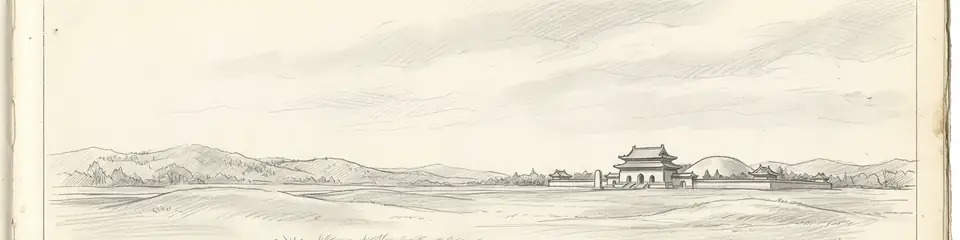
Graphite pencil sketch banner of Ming Tombs

“The Ming Tombs preserve the fullest above-ground ritual architecture of China's late imperial burial cult — spirit ways, sacrificial halls, and mound tombs scaled to Son-of-Heaven ideology.”

الموقع

نظرة عامة

The Ming Tombs (Shisan Ling) occupy a valley at the foot of the Tianshou Mountains in Changping District, roughly 50 kilometres northwest of central Beijing. The Yongle Emperor, who built the Forbidden City and Temple of Heaven, chose the site in the early 15th century for its geomantically auspicious basin opening south toward the capital. Thirteen of sixteen Ming emperors (from Yongle to Chongzhen) were buried here in individual tomb complexes, each with a spirit way (shendao) of stone animals and officials leading to a ceremonial gate and burial mound.

Changling, Yongle's tomb, is the largest and most visited: its above-ground halls rest on marble terraces, and the underground palace (not always open) follows a layout of vaulted chambers with thrones and ritual vessels for the deceased emperor and empresses. Dingling, the tomb of the Wanli Emperor, was excavated in the 1950s — a controversial dig that yielded silk textiles and crowns but taught conservators harsh lessons about opening waterlogged royal chambers.

The Sacred Way (shared approach road) lines up stone camels, elephants, lions, and civil and military officials in pairs, dramatising the emperor's procession into the afterlife. UNESCO inscribed the Ming Tombs in 2000, 2003, and 2004 as part of the serial Imperial Tombs of the Ming and Qing Dynasties. Pair with the Forbidden City and Temple of Heaven on a Beijing heritage circuit.

لماذا يهم

The Ming Tombs preserve the fullest above-ground ritual architecture of China's late imperial burial cult — spirit ways, sacrificial halls, and mound tombs scaled to Son-of-Heaven ideology. Changling and the excavated Dingling provide rare access to how Ming court workshops imagined eternity for emperors who also built Beijing's greatest living monuments.

الأدلة والتفسير

التمييز بين ما هو راسخ وما لا يزال موضع نقاش.

حقائق راسخة

2
  • Ming chronicles record selection of Tianshou valley and construction phases for each imperial tomb.
  • Dingling excavation yielded dated wooden plaques, thrones, and textiles consistent with Wanli-era court style.

تفسيرات متنازع عليها

1
  • Whether further royal chambers should be opened for research versus left sealed remains an active conservation debate.

صور المجتمع

شارك تجربتك

هل قمت بزيارة هذا الموقع؟ ارفع صورك لمساعدة الآخرين في اكتشافه.

كيفية الاستشهاد بهذه الصفحة

Atlas Anatolia. (1409). Ming Tombs. Atlas Anatolia. https://atlasanatolia.com/ar/site/ming-tombs

المحتوى مرخّص بموجب CC BY-SA 4.0 — يجب ذكر المصدر عند إعادة الاستخدام.

المصادر

  • Chronicle of the Chinese Emperors — Paludan, Ann (1998)
  • UNESCO — Imperial Tombs of the Ming and Qing Dynastiesرابط

الأسئلة الشائعة

أين يقع Ming Tombs؟

يقع Ming Tombs في China.

كم يبلغ عمر Ming Tombs؟

يعود تاريخ Ming Tombs إلى حوالي 1409 م – 1644 م.

ما هي الحضارات المرتبطة بـ Ming Tombs؟

يرتبط Ming Tombs بحضارة Ming.

لماذا يعتبر Ming Tombs مهماً؟

The Ming Tombs preserve the fullest above-ground ritual architecture of China's late imperial burial cult — spirit ways, sacrificial halls, and mound tombs scaled to Son-of-Heaven ideology.

هل Ming Tombs موقع تراث عالمي لليونسكو؟

نعم — Ming Tombs مدرج في قائمة التراث العالمي لليونسكو.