
تخط إلى المحتوى
Atlas Anatolia
أخبارأسنان من العصر الجليدي في سولاويزي تدفع استخدام التنبول إلى ما يصل إلى 25,000 عاماكتشاف فسيفساء رومانية ورأس إيروس في بازيليكا بومبيوبوليس، كاستامونو
Archaeological tell and Crusader castle at Byblos (Jbeil), Lebanon

Wikimedia Commons (CC BY-SA 3.0)

Country Record

Longest Continuously Occupied Site in Lebanon

مدينةاليونسكومميز

Byblos

Seyfi Cem Baskin

جبيل7000 ق.م – 1300 م

A Levantine harbour city north of Beirut with Neolithic roots, Early Bronze fortifications, a Temple of the Obelisks, Phoenician royal tombs, and Crusader walls. Continuously inhabited and inscribed by UNESCO as one of the oldest cities still lived in.

21
اهتمام 69

UNESCO

Byblos (1984)

Egyptian name

Gubla — cedar and resin partner of the Old Kingdom

Epigraphy

Ahiram sarcophagus inscription (early Phoenician)

Excavator

Maurice Dunand, long mid-20th-century seasons

“Byblos is the textbook case of deep urban continuity on the Levantine coast—Neolithic village to Phoenician port to Crusader castle without abandoning the headland.”

الموقع

نظرة عامة

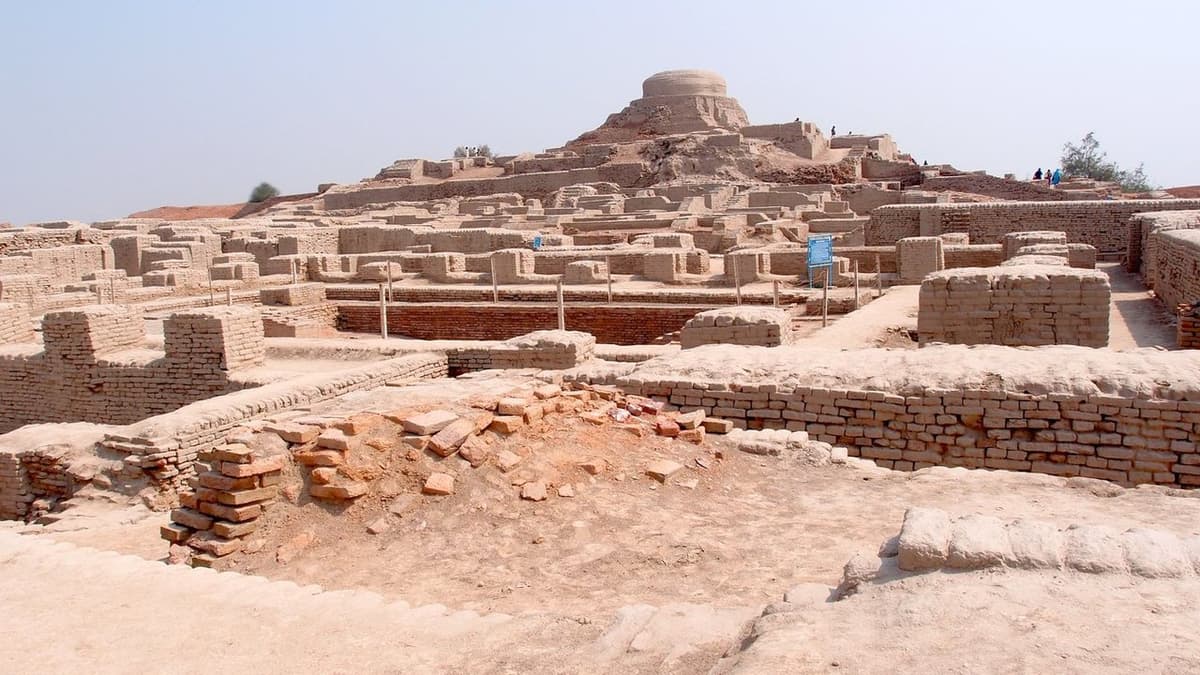
Byblos (Arabic Jbeil) sits on a coastal promontory about 40 km north of Beirut. Pottery Neolithic and Chalcolithic levels underlie Early Bronze Age ramparts and temples that traded cedar and resin with Old Kingdom Egypt—Byblos appears in Egyptian texts as Gubla. The Middle Bronze “Temple of the Obelisks” yielded hundreds of bronze figurines. Phoenician Byblos developed an early alphabetic tradition; royal inscriptions of kings such as Ahiram (sarcophagus, now in Beirut) are landmarks of West Semitic epigraphy.

Persian, Hellenistic, Roman, and Crusader layers stack on the tell: a Roman colonnade and theatre, a Crusader castle built from reused ancient stone, and a medieval harbour. Maurice Dunand’s long French excavations (1920s–1960s) established the ceramic sequence still cited across the Levant. Modern Jbeil’s old town wraps the archaeological park, so ancient and living streets share the same peninsula.

Pair Byblos with Ugarit for Late Bronze literacy and with Baalbek for Lebanon’s monumental Roman layer atop older Levantine roots.
لماذا يهم

Byblos is the textbook case of deep urban continuity on the Levantine coast—Neolithic village to Phoenician port to Crusader castle without abandoning the headland. Its Egyptian connection and early alphabet make it essential for any atlas that treats writing and Mediterranean trade as archaeological stories.

الأدلة والتفسير

التمييز بين ما هو راسخ وما لا يزال موضع نقاش.

حقائق راسخة

2
  • Stratified Neolithic through Iron Age deposits and Egyptian objects establish Byblos as a long-lived harbour with early international trade.
  • The Ahiram sarcophagus inscription is a primary witness to early Phoenician alphabetic writing.

تفسيرات متنازع عليها

1
  • How much “Phoenician” Byblos invents versus inherits from Canaanite Late Bronze urbanism depends on how one reads the Iron Age transition.

صور المجتمع

شارك تجربتك

هل قمت بزيارة هذا الموقع؟ ارفع صورك لمساعدة الآخرين في اكتشافه.

قصص ذات صلة

كيفية الاستشهاد بهذه الصفحة

Atlas Anatolia. (7000). Byblos. Atlas Anatolia. https://atlasanatolia.com/ar/site/byblos

المحتوى مرخّص بموجب CC BY-SA 4.0 — يجب ذكر المصدر عند إعادة الاستخدام.

رسم بياني

روابط بالمواقع والقصص ذات الصلة.

المصادر

  • Fouilles de Byblos — Dunand, Maurice (1939)
  • Byblos — UNESCO (1984)رابط

الأسئلة الشائعة

أين يقع Byblos؟

يقع Byblos في Lebanon.

كم يبلغ عمر Byblos؟

يعود تاريخ Byblos إلى حوالي 7000 ق.م – 1300 م.

ما هي الحضارات المرتبطة بـ Byblos؟

يرتبط Byblos بحضارة Canaanite, Roman, Phoenician.

لماذا يعتبر Byblos مهماً؟

Byblos is the textbook case of deep urban continuity on the Levantine coast—Neolithic village to Phoenician port to Crusader castle without abandoning the headland.

هل Byblos موقع تراث عالمي لليونسكو؟

نعم — Byblos مدرج في قائمة التراث العالمي لليونسكو.