
Overview
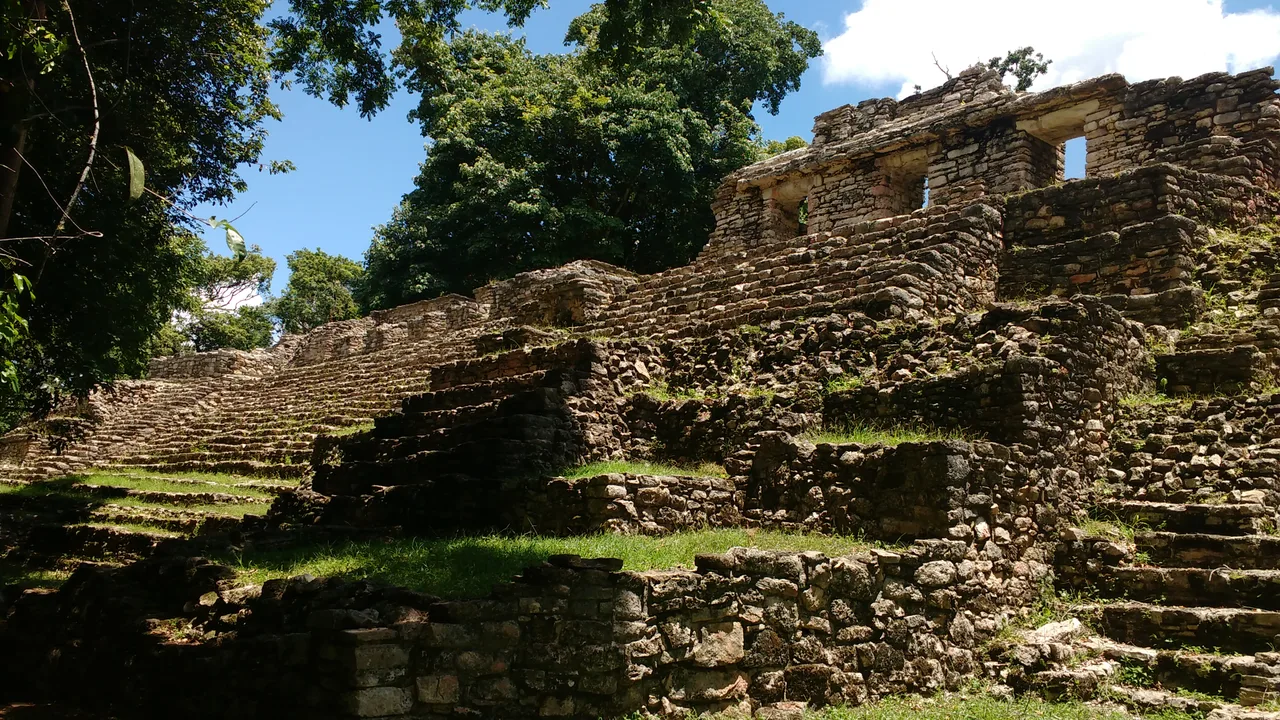
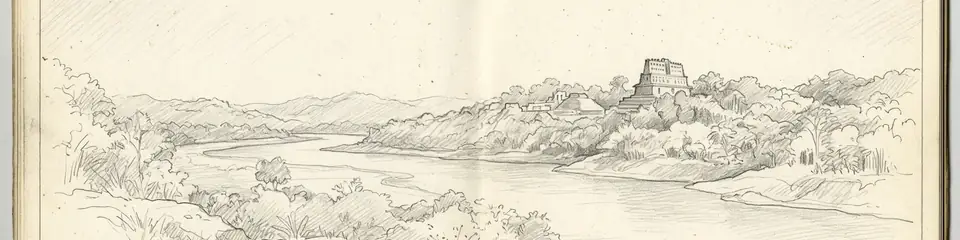
Yaxchilan stands on a horseshoe bend of the Usumacinta River, which forms the border between Mexico and Guatemala in the dense Lacandon jungle. The site is accessible only by boat, adding to its atmosphere of remoteness and mystery. It was one of the most powerful Classic Maya cities of the western lowlands, closely allied with and often at war with its powerful neighbours Palenque and Piedras Negras, and an ally of the great rival Caracol and Calakmul against Tikal.
The city reached its greatest power under two extraordinary rulers: Shield Jaguar II (ruled c. 681-742 CE) and his son Bird Jaguar IV (ruled 752-768 CE), whose lives and rituals are recorded in obsessive detail in the site's remarkable sculptural programme. Yaxchilan is above all famous for its lintels — carved stone beams spanning the doorways of its temples — which depict bloodletting rituals, captive sacrifice, accession ceremonies, and battle scenes with a narrative specificity and artistic quality unmatched in Maya art.
The most celebrated are Lintels 24, 25, and 26, now in the British Museum, which show Lady Xoc (chief wife of Shield Jaguar) drawing a rope of thorns through her tongue to draw blood in a vision ritual, and the subsequent vision serpent from whose mouth an ancestor appears. These carvings are among the masterpieces of world art. In the jungle, numerous stelae, carved altars, and buildings with intact roof combs rising above the tree canopy create one of the most atmospheric archaeological landscapes in the Americas.
Yaxchilan was never found by Spanish conquistadors and was effectively unknown to the outside world until 1882, when Alfred Maudslay documented it.