
Overview
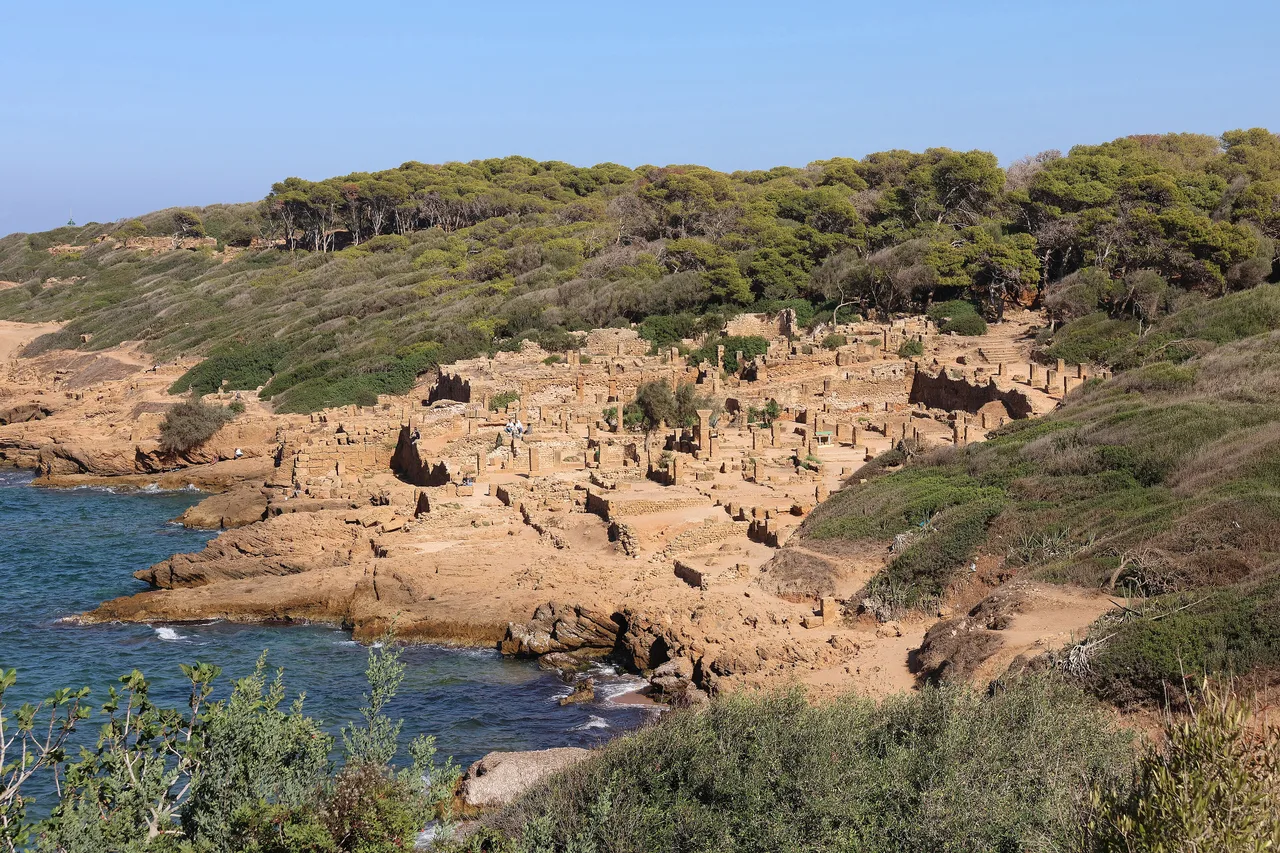
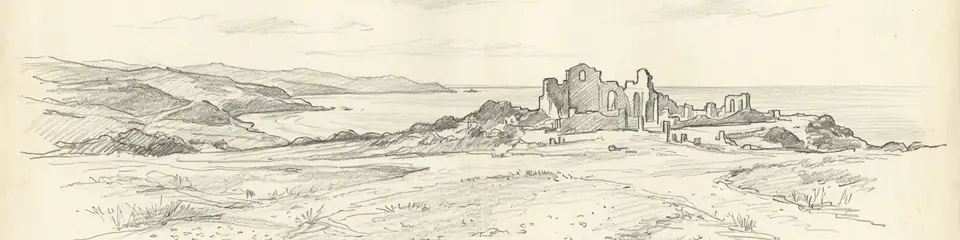
Tipasa stands on a rocky promontory jutting into the Mediterranean on the Algerian coast, roughly 70 kilometres west of Algiers. Originally a Phoenician and later Punic trading settlement, it was elevated to a Roman colony under the Emperor Claudius in 46 CE and developed into a prosperous provincial town — one of the few Roman cities in North Africa laid out on a coastal rather than inland site.
The ruins stretch along the cliff edge above the sea: a forum, large basilica, theatre, temples, bath-houses, and extensive early Christian cemeteries line the coastal path. At the edge of the site rises the Great Mausoleum — a massive circular funerary monument 61 metres in diameter and 32 metres tall, believed to be the tomb of the Berber king Juba II and his wife Cleopatra Selene II (daughter of Mark Antony and Cleopatra of Egypt).
Tipasa was sacked by the Vandals in the 5th century, rebuilt under Byzantine rule, and abandoned in the early Islamic period. The writer Albert Camus, who grew up nearby, wrote two celebrated essays ("Nuptials at Tipasa", 1938; "Return to Tipasa", 1952) that use the ruins to meditate on beauty, the absurd, and the Mediterranean light — making the site one of the most literary of all ancient ruins. UNESCO inscribed it in 1982.