Overview
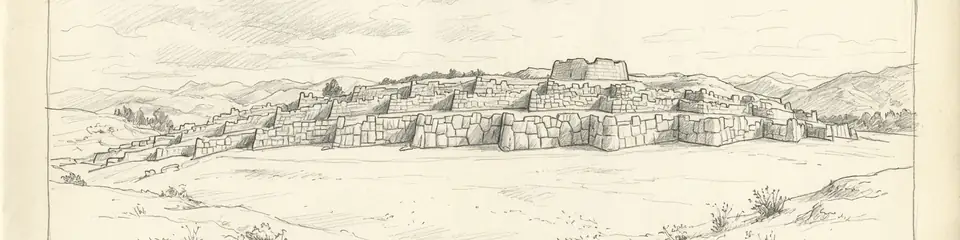
Sacsayhuamán occupies a steep hill overlooking the Inca capital of Cusco in the southern Peruvian Andes, at an altitude of about 3,700 metres. Construction is attributed primarily to the Inca emperor Pachacuti and his successors in the 15th century, during the period when the Inca transformed Cusco into an imperial capital, though the site overlies earlier occupation by the local Killke culture. The Spanish chronicler Garcilaso de la Vega, himself of Inca descent, recorded a tradition that the works employed tens of thousands of labourers over several decades.
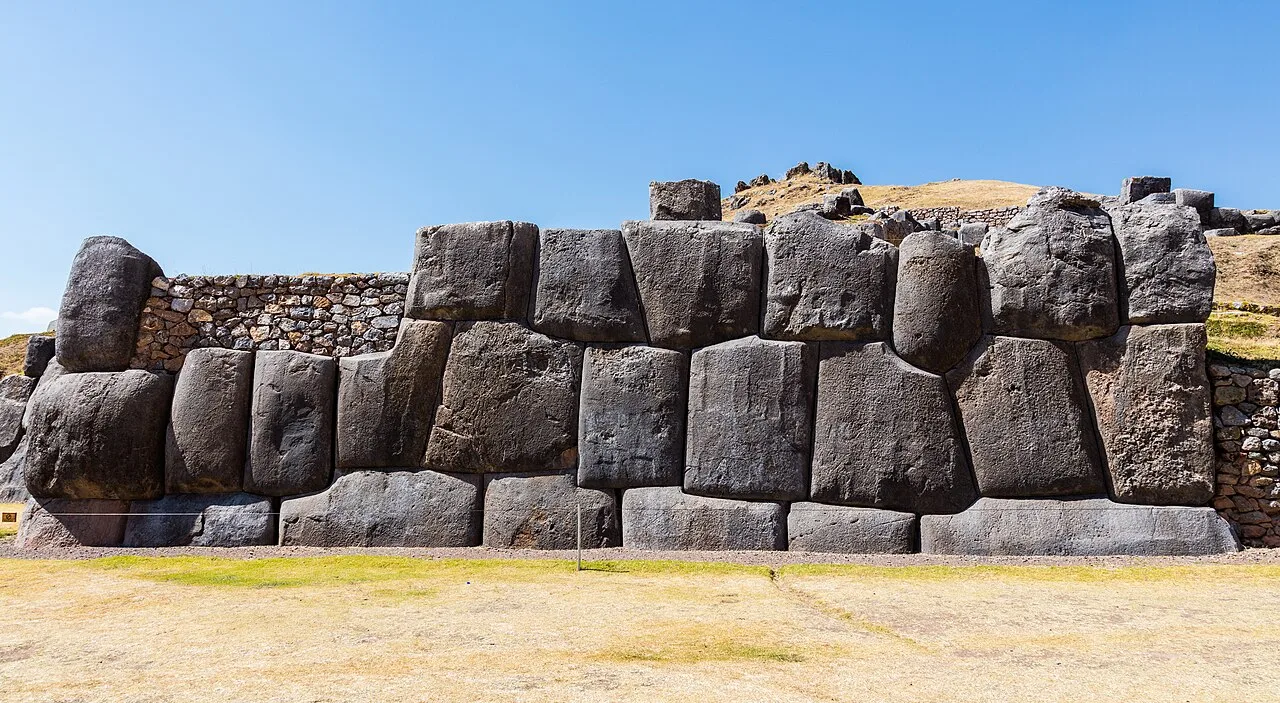
The most celebrated feature is the series of three parallel terrace walls that zigzag across the northern side of the complex for some 400 metres, rising in tiers up the slope. These walls are built from colossal blocks of limestone in the distinctive Inca polygonal style: irregular many-sided stones, each individually shaped to lock against its neighbours without any mortar. The largest blocks are estimated to weigh well over 100 tonnes — some figures range up to 125 tonnes or more — and stand up to 8 or 9 metres high. The precision of the fit, with adjoining faces ground to match each other exactly, is such that a sheet of paper or a knife blade cannot be inserted into the joints. The zigzag plan both braced the walls and, in some interpretations, evoked the teeth of a puma, an animal associated with Cusco, whose urban plan some scholars believe was laid out in the form of a great cat with Sacsayhuamán as its head.
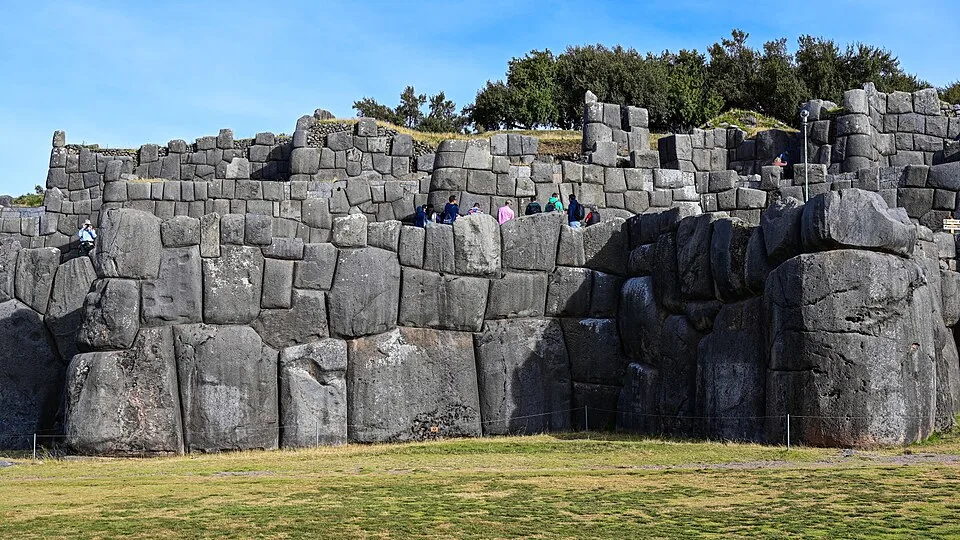
"The fortress of Sacsayhuamán is the greatest work the Incas ever made — walls of stones so large that the Spaniards believed demons must have placed them."
— Pedro Pizarro, Relación del descubrimiento y conquista del Perú, c. 1571 (paraphrase)
The function of the complex is debated. The Spanish, encountering its massive walls, described it as a fortress, and it did serve a decisive military role: during the Inca uprising of 1536, the rebel leader Manco Inca used Sacsayhuamán as a stronghold in the siege of Spanish-held Cusco, and the bitter battle for its towers was one of the turning points of the conquest. However, many scholars now argue that its primary purpose was religious and ceremonial, serving as a sacred precinct and venue for major state rituals, with the defensive aspect secondary.
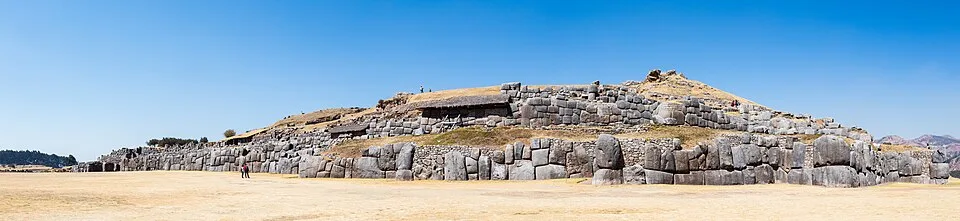
After the conquest, the Spanish systematically dismantled the upper structures and three great towers that once stood on the summit, carting away the smaller, more easily handled stones to build colonial Cusco — its churches and mansions are partly constructed from Sacsayhuamán's masonry. The largest blocks, too heavy to move, were left in place, which is why the megalithic terrace walls survive while the rest of the complex is largely reduced to foundations.