
Skip to content
Atlas AnatoliaAtlas Anatolia
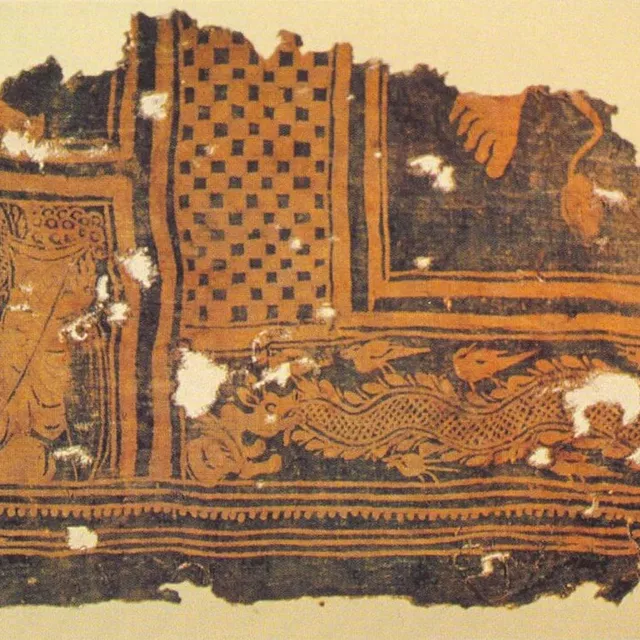
Ancient textile fragment associated with finds from the Niya oasis excavations

Country Record

Known by the Most Names in China

Niya

尼雅遗址100 BCE – 500 CE

Environment

Desert-buried oasis in the southern Taklamakan

Famous excavator

Aurel Stein — wooden houses and Kharoṣṭhī tablets

Documents

Administrative texts in Kharoṣṭhī and Chinese

Cultural sphere

Kroraina (Loulan) / southern Tarim oasis network

Niya makes the Silk Road concrete: not only caravans and empires, but tax records, marriage contracts, and orchard plots preserved house by house under sand.”

Location

Overview

Niya lies deep in the Taklamakan Desert of southern Xinjiang, roughly along ancient routes between Khotan and Loulan (Kroraina). Once a riverside oasis settlement — identified with Cadota in some Classical and Chinese itineraries — it flourished in the early centuries CE before shifting river courses and dune advance buried houses, orchards, graves, and archives under sand.

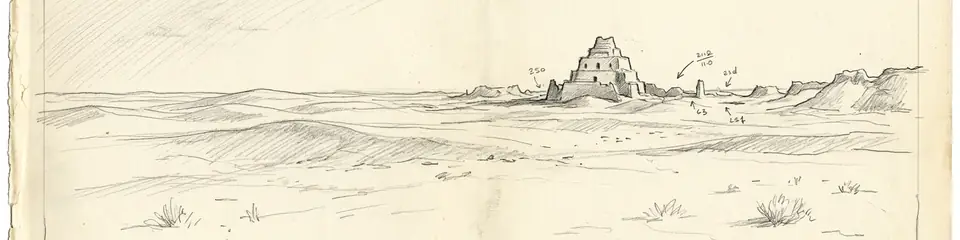
Aurel Stein’s early 20th-century excavations famously recovered wooden architecture still standing in the sand, Kharoṣṭhī administrative tablets, Chinese documents, textiles, and everyday artefacts that together form one of the richest “frozen in sand” archives of Inner Asian oasis life. Later Chinese expeditions mapped additional house compounds and cemeteries. Organic preservation — wood, leather, paper — is extraordinary because of extreme aridity.
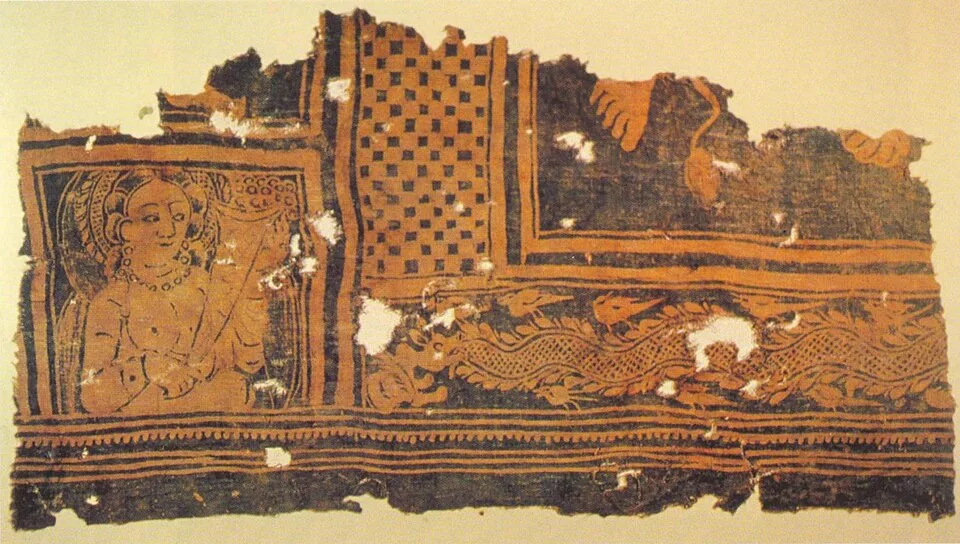
Niya batik
Niya batik

Niya batik | Unknown authorUnknown author (Public domain)

"Wooden houses stand yet in the sand, as though their owners had stepped out for a day; tablets of wood still recite rents, marriages, and the law of Cadota."
— Paraphrase of Aurel Stein's impressions at Niya, early 20th century

Niya’s bilingual paperwork captures a society negotiating Indian scripts and administrative habits with Chinese imperial and local oasis politics — a microcosm of southern Silk Road connectivity.
Why It Matters

Niya makes the Silk Road concrete: not only caravans and empires, but tax records, marriage contracts, and orchard plots preserved house by house under sand. It is foundational for studying the Kroraina cultural zone and the reach of Kushan-era documentary culture into the Tarim Basin.

Stay curious

New stories and sites, once a month. No spam.

Evidence & Interpretation

Distinguishing what is well-established from what remains debated.

Well-Established Facts

2
  • Excavated wooden architecture and stratified finds establish a long-lived oasis settlement abandoned to sand encroachment.
  • Kharoṣṭhī and Chinese documents provide primary administrative evidence for local governance and trade.

Scholarly Inferences

1
  • Abandonment followed hydrological change and dune advance cutting off reliable river irrigation.

More Photos

Museum Artifacts

Community Photos

Share your experience

Have you visited this site? Upload your photos to help others discover it.

How to cite this page

Atlas Anatolia. (100). Niya. Atlas Anatolia. https://atlasanatolia.com/site/niya

Content licensed CC BY-SA 4.0 — attribution required when reusing.

Knowledge Graph

Connections to related sites and stories.

Sources

  • Ancient KhotanStein, M. Aurel (1907)
  • The Silk Road: A New HistoryHansen, Valerie (2012)

Research Papers

Frequently Asked Questions

Where is Niya located?

Niya is located in China.

How old is Niya?

Niya dates to approximately 100 BCE – 500 CE.

Which civilizations are associated with Niya?

Niya is associated with the Han, Kroraina (Loulan).

Why is Niya important?

Niya makes the Silk Road concrete: not only caravans and empires, but tax records, marriage contracts, and orchard plots preserved house by house under sand.

Is Niya a UNESCO World Heritage Site?

Niya is not currently inscribed on the UNESCO World Heritage List.