
Skip to content
Atlas AnatoliaAtlas Anatolia
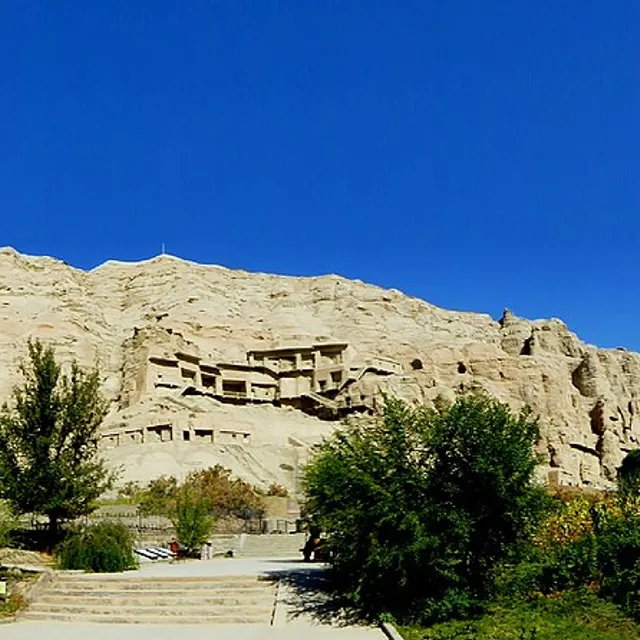
Cliff face and cave openings of the Kizil Buddhist grottoes, Xinjiang

Kizil Caves

克孜尔千佛洞300 CE – 800 CE

Scale

200+ rock-cut caves along the Muzart River cliffs

Date

Main painting phases c. 3rd–8th centuries CE

Culture

Buddhist monasteries of the Kucha / Tocharian oasis kingdom

Art history

Earliest large grotto complex on the northern Silk Road

Kizil is foundational for Central Asian Buddhist art history — chronologically early, stylistically hybrid, and textually linked to Tocharian monastic culture.”

Location

Overview

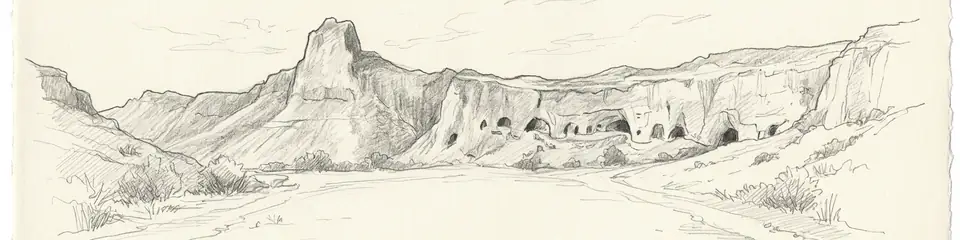
The Kizil Caves stretch along river cliffs about 70 kilometres west of Kucha (Kuqa) in Xinjiang, China. From roughly the 3rd to 8th centuries CE, Buddhist monastic communities excavated and painted over 230 caves, making Kizil the earliest major grotto series of the Tarim Basin — earlier in origin than Dunhuang’s Mogao heyday and crucial for understanding how Indian Buddhist art adapted along the northern route around the Taklamakan.

Murals employ distinctive “Western Regions” styles: stylised drapery, musical and narrative scenes from Jātakas and Avadānas, and a palette influenced by Iranian and Gandhāran visual traditions. German Turfan expeditions under Albert Grünwedel and Albert von Le Coq removed many mural panels to Berlin; surviving in situ painting still shows diamond-ceiling patterns, musicians, and donor figures of Tocharian-speaking oasis elites.
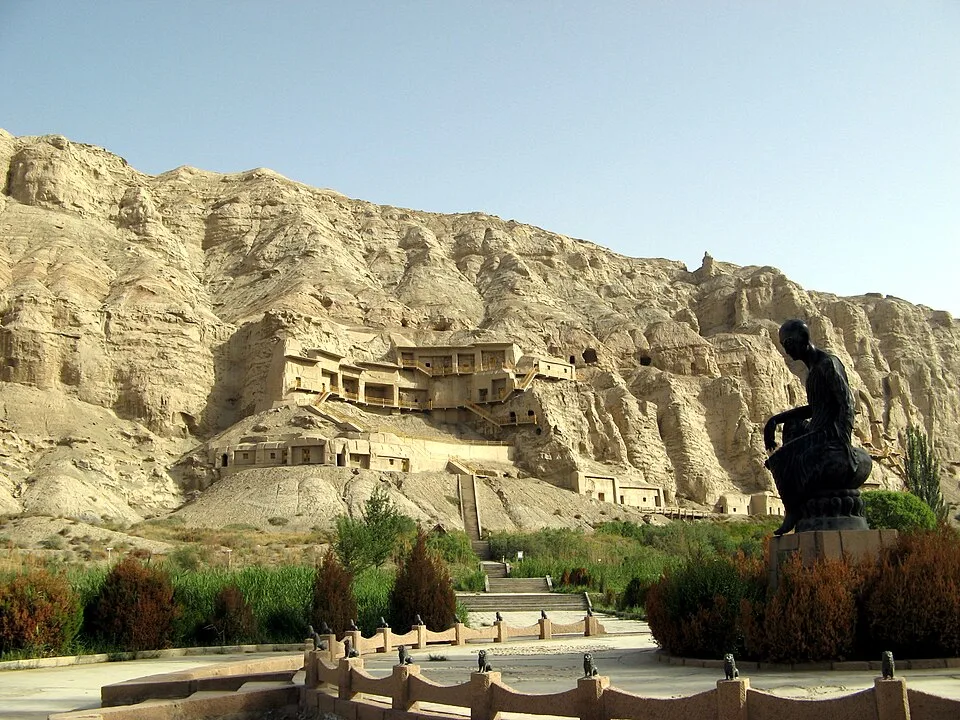
Kuqa May 2007 427
Kuqa May 2007 427

Kuqa May 2007 427 | G41rn8 (CC BY-SA 4.0)

"In the cliffs above the river the monks of Kucha cut cells and painted the deeds of the Bodhisattva — music, dance, and the path to nirvana in colours brought along the northern road."
— Modern paraphrase of Kucha Buddhist mural programmes at Kizil

Kizil belongs to the broader Kucha kingdom’s Buddhist landscape and is a component of UNESCO Silk Roads serial heritage. Conservation and documentation by Chinese institutes continue to recover chronology through radiocarbon and stylistic sequencing.
Why It Matters

Kizil is foundational for Central Asian Buddhist art history — chronologically early, stylistically hybrid, and textually linked to Tocharian monastic culture. It shows how the Silk Road was not only a trader’s corridor but a monastery network that translated Indian Buddhism into oasis visual languages later radiating into China proper.

Stay curious

New stories and sites, once a month. No spam.

Evidence & Interpretation

Distinguishing what is well-established from what remains debated.

Well-Established Facts

2
  • Standing caves and remaining murals document an extensive early Buddhist monastic complex.
  • Stylistic and palaeographic links connect Kizil art to Indo-Iranian and Tocharian Buddhist cultures of Kucha.

Debated Interpretations

1
  • Fine-grained dating of individual cave phases continues to be refined; some early expedition attributions have been revised.

More Photos

Museum Artifacts

Community Photos

Share your experience

Have you visited this site? Upload your photos to help others discover it.

How to cite this page

Atlas Anatolia. (300). Kizil Caves. Atlas Anatolia. https://atlasanatolia.com/site/kizil-caves

Content licensed CC BY-SA 4.0 — attribution required when reusing.

Knowledge Graph

Connections to related sites and stories.

Sources

  • Chinese SculptureHoward, Angela F. et al. (2006)
  • Archaeological Survey at KizilVignato, Giuseppe (2006)

Research Papers

Frequently Asked Questions

Where is Kizil Caves located?

Kizil Caves is located in China.

How old is Kizil Caves?

Kizil Caves dates to approximately 300 CE – 800 CE.

Which civilizations are associated with Kizil Caves?

Kizil Caves is associated with the Han, Tocharian.

Why is Kizil Caves important?

Kizil is foundational for Central Asian Buddhist art history — chronologically early, stylistically hybrid, and textually linked to Tocharian monastic culture.

Is Kizil Caves a UNESCO World Heritage Site?

Yes — Kizil Caves is inscribed as a UNESCO World Heritage Site.