
Overview
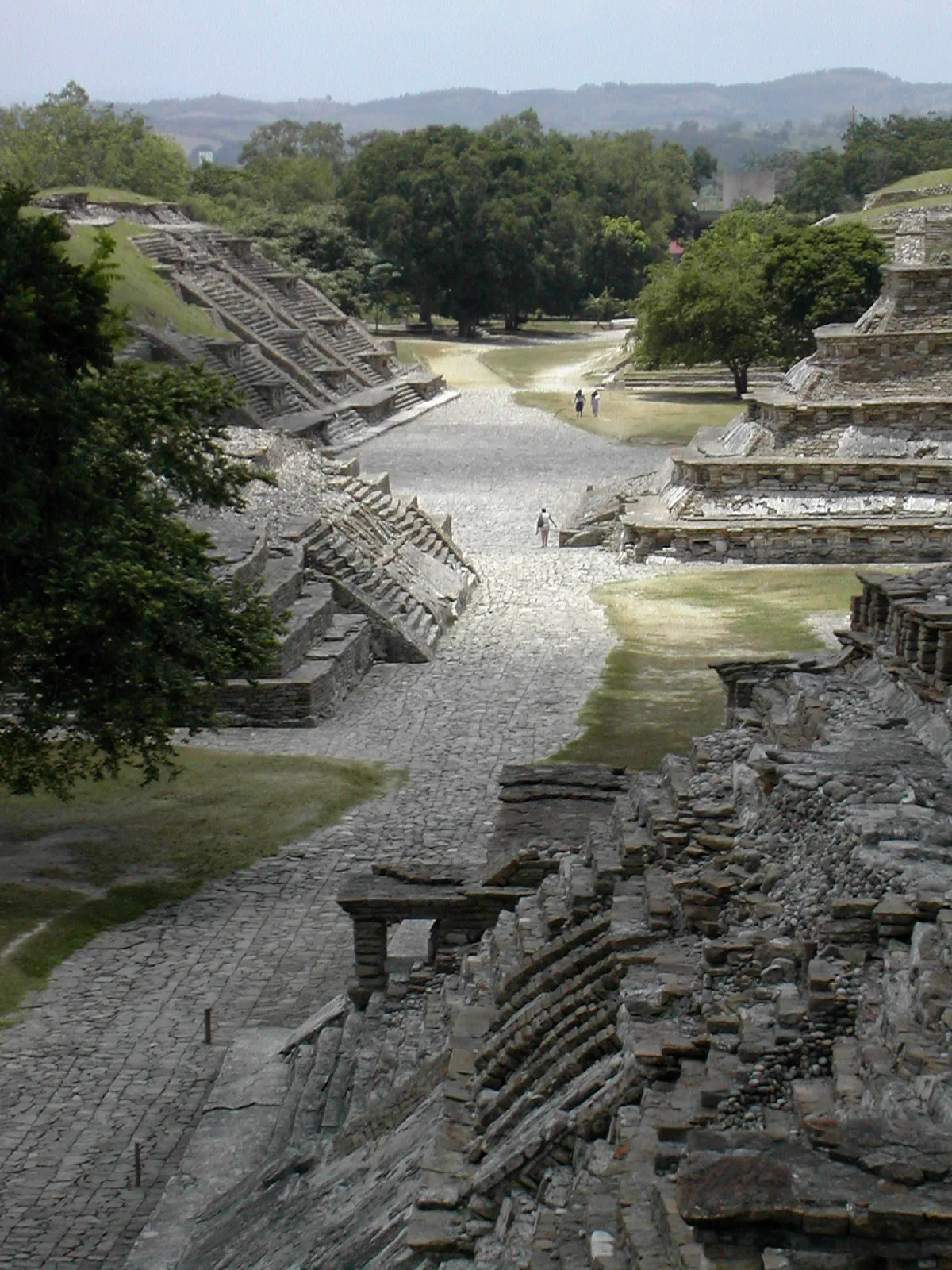
El Tajin lies in the tropical lowlands of northern Veracruz state, Mexico, surrounded by lush jungle on the foothills of the Sierra Madre Oriental. Occupied from roughly 100 CE to 1200 CE, it grew into one of the most powerful cities in Mesoamerica, controlling a large territory on the Gulf Coast and maintaining trade links with Teotihuacan, Oaxaca, and the Maya lowlands.
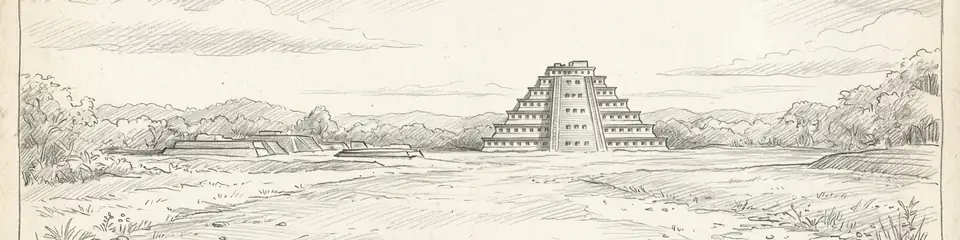
The site is dominated by the Pyramid of the Niches, a six-tiered stepped pyramid with a staircase on the eastern face and 365 rectangular niches covering its four sides — one for each day of the solar calendar. The niches were originally painted red and blue and, with fires lit inside them, would have created a spectacular visual effect at night. The pyramid is one of the most perfectly proportioned and visually striking buildings in Mesoamerica.
El Tajin has more ballcourts than any other ancient Mesoamerican city — at least 18 have been identified. The ballgame was clearly central to the life and religion of this city, and the carved stone panels on the South Ballcourt depict in extraordinary detail the rituals associated with the game, including human sacrifice. The city also features elaborate friezes on many buildings depicting interlocking scrollwork, human figures, and mythological scenes of remarkable sophistication.
El Tajin was abandoned around 1200 CE, possibly following attacks by Chichimec peoples from the north. It was inscribed as a UNESCO World Heritage Site in 1992.