
Skip to content
Atlas AnatoliaAtlas Anatolia
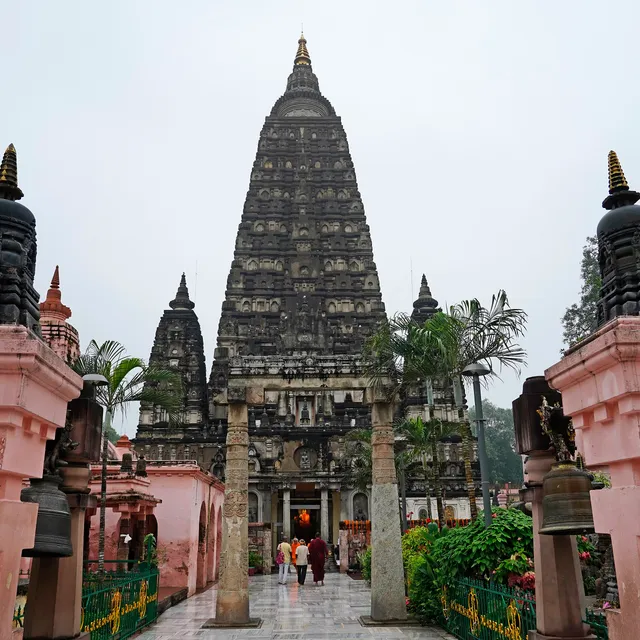
The Mahabodhi Temple at Bodh Gaya, Bihar, India

Country Record

Oldest Temple in India

Bodh Gaya

बोधगया500 BCE – 1900 CE

Event

Traditional site of the Buddha's enlightenment, c. 5th century BCE

Ashoka

3rd-century BCE shrine tradition; Vajrasana slab attributed to his period

Temple height

Mahabodhi tower ~55 m, mainly Gupta-period fabric

UNESCO

Mahabodhi Temple Complex (2002)

Bodh Gaya is the geographic anchor of the Buddhist world — every major Buddhist tradition traces its origin narrative to this spot.”

Location

Overview

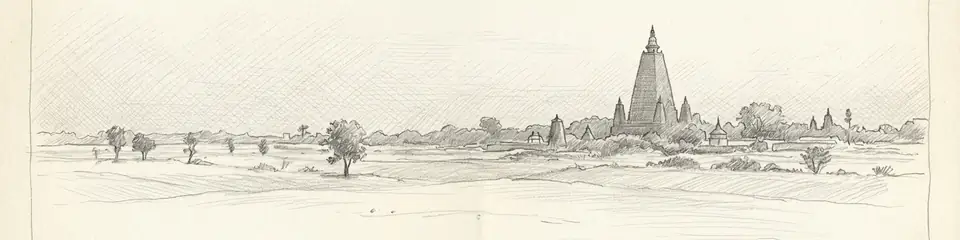
Bodh Gaya stands on the bank of the Niranjana (Lilajan) River in Gaya district, Bihar, northeastern India. Buddhist tradition locates here the Bodhi tree under which Siddhartha Gautama meditated and awakened as the Buddha, circa 5th century BCE. Emperor Ashoka is credited with founding a shrine at the site in the 3rd century BCE; the present Mahabodhi Temple — a pyramidal brick tower rising about 55 metres — largely dates to the Gupta period (5th–6th centuries CE) with later restorations by Burmese, Sinhalese, and British-era archaeologists.

The Vajrasana (Diamond Throne) red sandstone slab marks the traditional spot of enlightenment inside the sanctum. Surrounding the main temple are smaller shrines, the Bodhi tree (a descendant of the original), monasteries built by Buddhist nations (Thai, Japanese, Bhutanese, Tibetan), and the Great Buddha statue (21st century). The Archaeological Survey of India manages the core complex; UNESCO listed the Mahabodhi Temple in 2002.

Bodh Gaya hosts major festivals including Buddha Purnima and attracts hundreds of thousands of pilgrims annually, making it among the most significant living religious archaeological sites in the world.
Why It Matters

Bodh Gaya is the geographic anchor of the Buddhist world — every major Buddhist tradition traces its origin narrative to this spot. The Mahabodhi Temple is one of the earliest surviving brick temples in India and a key document of Gupta-period sacred architecture.

Stay curious

New stories and sites, once a month. No spam.

Evidence & Interpretation

Distinguishing what is well-established from what remains debated.

Well-Established Facts

2
  • Ashokan pillar fragments and epigraphic references document royal patronage at Bodh Gaya in the 3rd century BCE.
  • Architectural and inscriptional evidence dates the core Mahabodhi Temple tower to the Gupta period with documented later restorations.

Scholarly Inferences

1
  • The identification of the exact Bodhi tree lineage is traditional; botanical descent is plausible but not provable across 2,500 years.

More Photos

Museum Artifacts

Community Photos

Share your experience

Have you visited this site? Upload your photos to help others discover it.

How to cite this page

Atlas Anatolia. (500). Bodh Gaya. Atlas Anatolia. https://atlasanatolia.com/site/bodh-gaya

Content licensed CC BY-SA 4.0 — attribution required when reusing.

Knowledge Graph

Connections to related sites and stories.

Sources

  • Sacred Traces: British Explorations of Buddhism in South AsiaLeoshko, Janice (2003)
  • UNESCO — Mahabodhi TempleLink

Research Papers

Frequently Asked Questions

Where is Bodh Gaya located?

Bodh Gaya is located in India.

How old is Bodh Gaya?

Bodh Gaya dates to approximately 500 BCE – 1900 CE.

Which civilizations are associated with Bodh Gaya?

Bodh Gaya is associated with the Mauryan, Gupta.

Why is Bodh Gaya important?

Bodh Gaya is the geographic anchor of the Buddhist world — every major Buddhist tradition traces its origin narrative to this spot.

Is Bodh Gaya a UNESCO World Heritage Site?

Yes — Bodh Gaya is inscribed as a UNESCO World Heritage Site.