
Перейти к содержанию
Atlas Anatolia
НовостиЗубы ледникового периода на Сулавеси отодвигают использование бетеля на 25 000 лет назадРимская мозаика и голова Эрота обнаружены в базилике Помпейополиса, Кастамону
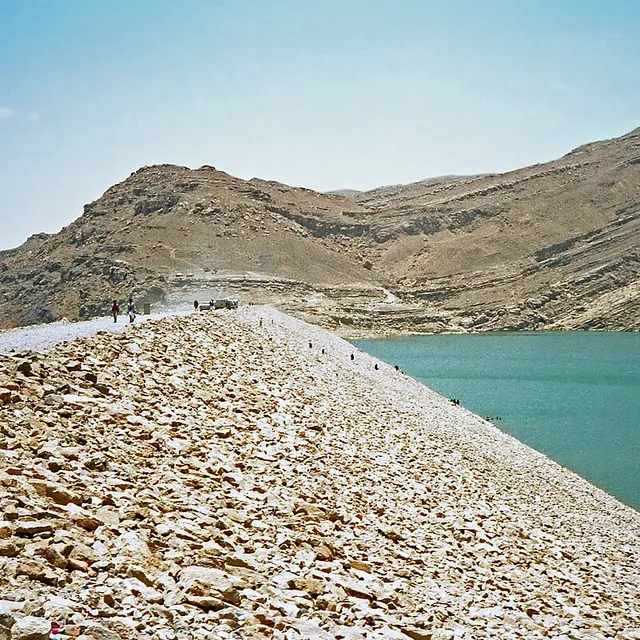
Stone abutments and spillways of the ancient Great Dam of Marib, Yemen

Wikimedia Commons

Continent Record

Oldest Monument in Asia

МонументЮНЕСКО

Great Dam of Marib

Seyfi Cem Baskin

سد مأرب800 до н. э. – 570 н. э.

The monumental earthen and stone dam that irrigated the oasis of Marib, capital of the Sabaean kingdom in ancient Yemen — one of the largest hydraulic works of the ancient Near East, sustaining intensive agriculture for more than a millennium before catastrophic breaches in late antiquity.

211
Интерес 54

Местоположение

Йемен

15.40°N · 45.24°E · Азия

Function

Diversion dam feeding northern and southern oasis canals

Peak construction

Major phases c. 8th–6th centuries BCE; continued repair for centuries

Final breach

Catastrophic failure traditionally dated mid–late 6th century CE

UNESCO

Landmarks of Ancient Kingdom of Saba (2023)

Related capital

Marib (ancient Maryab), Sabaean royal centre nearby

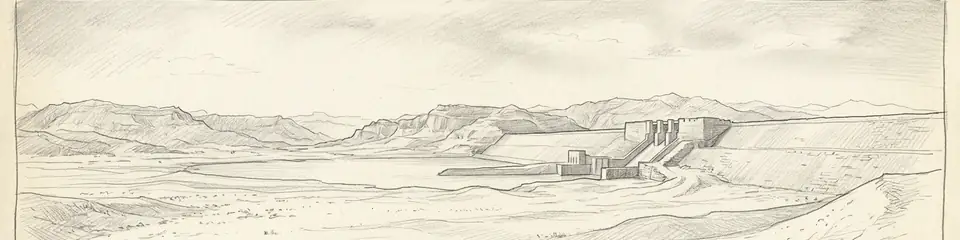
Graphite pencil sketch banner of Great Dam of Marib

“The Marib Dam is the clearest surviving proof that South Arabian wealth rested not only on caravan tolls but on large-scale irrigated agriculture — hydraulic engineering on a par with Mesopotamian canal systems, adapted to monsoon wadi floods.”

Местоположение

Обзор

The Great Dam of Marib stands in the Wadi Adhanah (Dhana) in the highlands of eastern Yemen, roughly 170 kilometres east of Sanaʿa, just upstream of the ancient Sabaean capital. Construction of successive earth-and-rubble dams with cut-stone spillways and sluices began by the early first millennium BCE; epigraphic and archaeological evidence places major works between the eighth and sixth centuries BCE, with repeated repairs and enlargements under Sabaean and later rulers.

Unlike many ancient retention dams, Marib was designed primarily for controlled diversion: monsoon floods were slowed, diverted through twin northern and southern canals, and distributed across a vast oasis network capable of supporting tens of thousands of people and the frankincense-and-myrrh agricultural economy of South Arabia. Classical authors and local inscriptions celebrate Marib as a green oasis amid the desert; Quranic tradition later remembered the "flood of the dam" (sayl al-ʿArim) as a civilisational turning point.
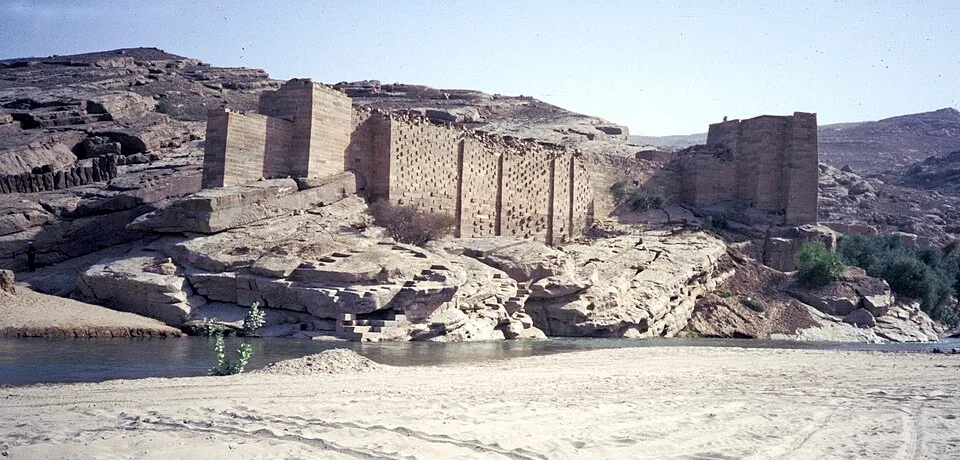
Jemen1988-022 hg
Jemen1988-022 hg | H. Grobe (CC BY-SA 3.0)
"There was for Saba a sign in their dwelling-place: two gardens, on the right and on the left. Eat of the provision of your Lord and be grateful to Him. A good land and a forgiving Lord. But they turned away, so We sent upon them the flood of the dam."
— Qurʾan 34:15–16 (Sūrat Sabaʾ), on the flood of the dam at Marib

The final catastrophic failure is conventionally dated to the mid–late sixth century CE (after centuries of repair episodes), after which the oasis contracted and the political centre of gravity in Yemen shifted toward Himyarite highland capitals. Modern hydraulic works nearby (opened 1986) sit upstream of the ancient ruins; the archaeological remains of sluices, abutments, and canal heads remain among the most important engineering monuments of the ancient Arabian peninsula.
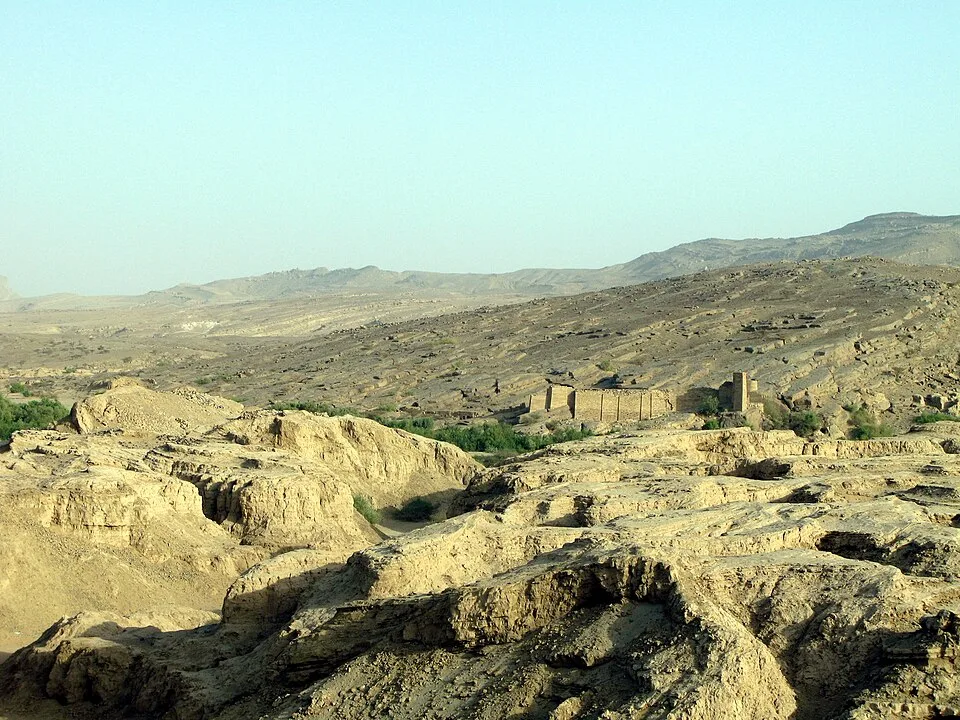
083 stari jez
083 stari jez | Ljuba brank at Slovenian Wikipedia (Public domain)

Marib and its surrounding Sabaean landscape form part of UNESCO's recognition of the Landmarks of the Ancient Kingdom of Saba (inscribed 2023).
Почему это важно

The Marib Dam is the clearest surviving proof that South Arabian wealth rested not only on caravan tolls but on large-scale irrigated agriculture — hydraulic engineering on a par with Mesopotamian canal systems, adapted to monsoon wadi floods. Its eventual failure offers a rare archaeological and literary case of a fragile oasis civilisation unraveling when hydraulic infrastructure collapsed, with consequences remembered in Arabic tradition for centuries.

Свидетельства и интерпретация

Различать, что хорошо установлено, а что остаётся предметом дискуссий.

Хорошо установленные факты

2
  • Standing stone sluices, abutments, and canal-head masonry document a diversion-irrigation system on a monumental scale.
  • Sabaean and later South Arabian inscriptions record construction, repair, and ritual dedication of dam works.

Научные выводы

1
  • The dam underwrote the demographic and economic base that allowed Marib to remain a major South Arabian capital for centuries.

Спорные интерпретации

1
  • Exact sequences of rebuilds and the precise date of the terminal breach remain debated among epigraphers and hydrologists.

Фотографии сообщества

Поделитесь своими впечатлениями

Вы посещали это место? Загрузите свои фотографии, чтобы помочь другим открыть его для себя.

Похожие истории

Как цитировать эту страницу

Atlas Anatolia. (800). Great Dam of Marib. Atlas Anatolia. https://atlasanatolia.com/ru/site/marib-dam

Материалы распространяются по лицензии CC BY-SA 4.0 — при повторном использовании указание авторства обязательно.

График

Связи с соответствующими памятниками и историями.

Источники

  • Queen of Sheba: Treasures from Ancient Yemen — Simpson, St John (2002)
  • UNESCO — Landmarks of the Ancient Kingdom of SabaСсылка

Часто задаваемые вопросы

Где находится Great Dam of Marib?

Great Dam of Marib находится в Yemen.

Сколько лет Great Dam of Marib?

Great Dam of Marib датируется приблизительно 800 до н. э. – 570 н. э..

С какими цивилизациями связано место Great Dam of Marib?

Great Dam of Marib связано с цивилизацией: Sabaean, Himyarite.

Почему Great Dam of Marib имеет важное значение?

The Marib Dam is the clearest surviving proof that South Arabian wealth rested not only on caravan tolls but on large-scale irrigated agriculture — hydraulic engineering on a par with Mesopotamian canal systems, adapted to monsoon wadi floods.

Входит ли Great Dam of Marib в список Всемирного наследия ЮНЕСКО?

Да — Great Dam of Marib включено в список Всемирного наследия ЮНЕСКО.