
Перейти к содержанию
Atlas Anatolia
НовостиЗубы ледникового периода на Сулавеси отодвигают использование бетеля на 25 000 лет назадРимская мозаика и голова Эрота обнаружены в базилике Помпейополиса, Кастамону
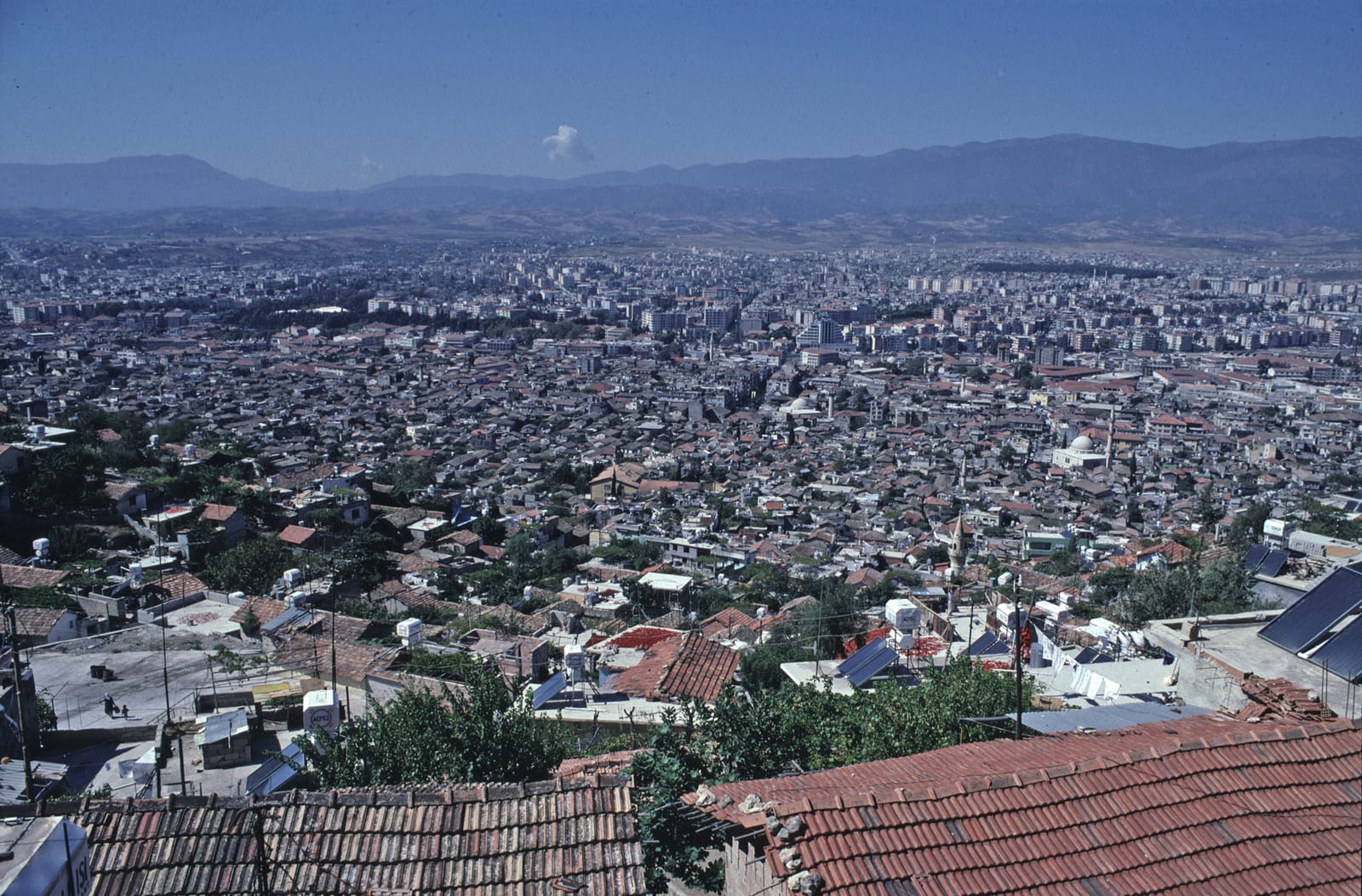
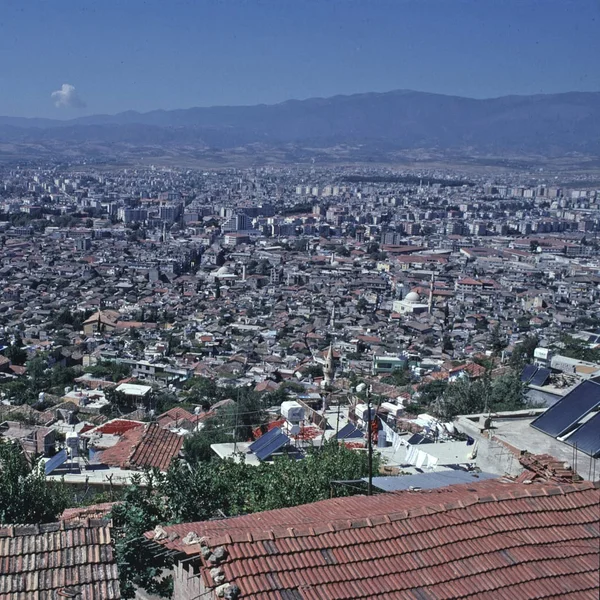
Panoramic view of ancient Antakya from the hills

Wikimedia Commons (CC BY-SA)

ГородИзбранное

Antioch (Antakya)

Seyfi Cem Baskin

Antakya300 до н. э. – 1268 н. э.

One of the four great cities of the ancient world and a cradle of early Christianity. Antioch's extraordinary mosaics rival those of Pompeii, and its layered history spans Hellenistic, Roman, Byzantine, and Islamic civilizations.

312
Интерес 71

Местоположение

Hatay · Southeastern Anatolia · Турция

36.20°N · 36.16°E · Азия

Founded

c. 300 BCE by Seleucus I Nicator

Peak Population

~500,000 (Roman period)

Christian Significance

Where followers were first called "Christians"

Famous Collection

World-class mosaic collection in Hatay Museum

Major Earthquake

526 CE earthquake, one of the deadliest in history, devastated the city.

Water Supply

Served by a sophisticated Roman aqueduct system, including the famous aqueduct of Seleucia Pieria.

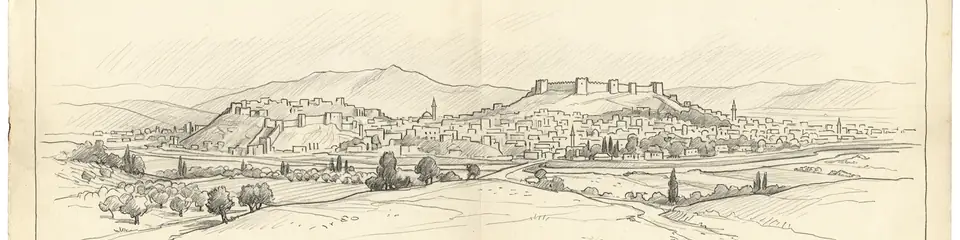
Graphite pencil sketch banner of Antioch (Antakya)

“Antioch was one of the defining cities of the ancient Mediterranean — a place where Greek, Roman, Jewish, and early Christian cultures intersected and transformed each other.”

Из Википедии

Antioch on the Orontes was a major Hellenistic and Roman city, one of the largest in the ancient world, and a center of early Christianity.

Читать полную статью в Википедии →

Местоположение

Обзор

Founded around 300 BCE by Seleucus I Nicator — one of Alexander the Great's generals — Antioch rapidly became one of the largest and most cosmopolitan cities of the ancient world. Situated on the Orontes River at the crossroads of major trade routes linking the Mediterranean to Mesopotamia, it served as the capital of the Seleucid Empire and later became the seat of Roman governance in the East.

Under Roman rule, Antioch grew to a population estimated at 500,000, making it the third-largest city in the empire after Rome and Alexandria. The city was famous for its colonnaded main street — one of the earliest in the ancient world — its chariot-racing hippodrome, and the pleasure gardens of Daphne (Harbiye) on its outskirts.

"Antioch is a city of great size and population, the metropolis of Syria."
— Strabo, c. 7 BCE - 23 CE

Antioch holds a pivotal place in the history of Christianity. According to the Acts of the Apostles, it was here that the followers of Jesus were first called "Christians." The city became the seat of one of the five original patriarchates of the early church, and its theological school shaped Christian doctrine for centuries.

The Hatay Archaeological Museum houses one of the world's finest collections of Roman-period floor mosaics, rescued from villas in Antioch and its suburb Daphne. These mosaics — depicting mythological scenes, hunting parties, and daily life — are masterpieces of ancient pictorial art.
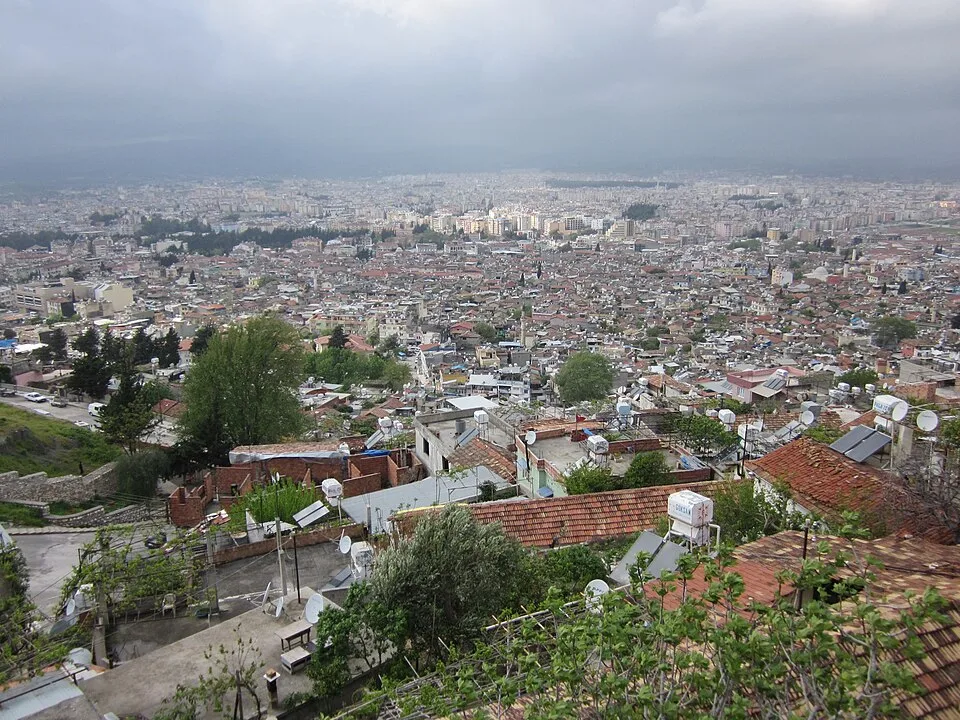
Antakya - 2011-04-10
Antakya - 2011-04-10 | Maarten Sepp (CC BY-SA 4.0)

The city's urban fabric was defined by its famous colonnaded street, the Plateia, stretching for over 2 kilometers and lined with porticoes, shops, and monuments. This grand artery, illuminated by street lamps at night, was the commercial and social heart of the metropolis. Antioch was also renowned for its sophisticated water infrastructure, including aqueducts like the one from Daphne and the monumental Charonion relief carved into Mount Silpius.

Daily life in Antioch was famously vibrant and cosmopolitan, marked by public baths, theaters, and the circus. The suburb of Daphne, with its sacred grove and sanctuary of Apollo, served as a luxurious resort for the elite. The city's prosperity was fueled by its role as a terminus for the Silk Road and other eastern trade routes, bringing spices, silks, and luxury goods from Persia and beyond to the Mediterranean markets.

Antioch's decline was gradual, accelerated by a series of catastrophic earthquakes, Persian sackings in the 6th century, and its capture by Arab forces in 638 CE. Though it remained a significant provincial center under Byzantine and later Seljuk rule, it never regained its former imperial stature. The final blow to its ancient urban continuity came with its sack by the Mamluk Sultan Baybars in 1268, which reduced the great city to a small town.
Почему это важно

Antioch was one of the defining cities of the ancient Mediterranean — a place where Greek, Roman, Jewish, and early Christian cultures intersected and transformed each other. The city's role as a birthplace of organized Christianity gives it enduring religious significance across multiple traditions. The Antioch mosaics represent one of the most important surviving bodies of Roman decorative art. Many were excavated during Princeton University-led campaigns in the 1930s and are now dispersed among major museums worldwide, though the finest collection remains in the Hatay Archaeological Museum.

Свидетельства и интерпретация

Различать, что хорошо установлено, а что остаётся предметом дискуссий.

Хорошо установленные факты

3
  • The Acts of the Apostles (11:26) records that followers of Jesus were first called Christians in Antioch, making it a foundational site for the early church.
  • Hundreds of Roman floor mosaics from Antioch and Daphne have been excavated, constituting one of the most important mosaic collections in the world.
  • Literary sources (Libanius, John Chrysostom) describe Antioch as the third-largest city of the Roman Empire with a colonnaded main street illuminated at night.

Научные выводы

1
  • The city's position at the junction of Mediterranean and Mesopotamian trade routes suggests it functioned as a major commercial hub long before the Seleucid foundation.

Спорные интерпретации

2
  • The precise location and extent of the ancient city center beneath modern Antakya remains debated, as much of it lies under dense urban development.
  • The exact layout and grandeur of the famed colonnaded main street (the Plateia) described by Libanius is debated due to limited archaeological exposure beneath the modern city.

Открытие и раскопки

1932–1939

Princeton University excavations

Под руководством William A. Campbell

Major excavations led by Princeton University uncovered hundreds of Roman mosaics from villas in Antioch and Daphne.

1932

Princeton Excavations Begin

Под руководством Princeton University

The systematic, large-scale archaeological investigation of Antioch and its suburb Daphne, which uncovered the majority of the famous mosaic pavements.

2001–2012

Rescue excavations

Turkish archaeologists conducted rescue excavations ahead of urban development, uncovering additional mosaics and Roman-period structures.

2011

Hippodrome discovery

Remains of the ancient hippodrome were identified beneath the modern city during construction work.

Фотографии сообщества

Поделитесь своими впечатлениями

Вы посещали это место? Загрузите свои фотографии, чтобы помочь другим открыть его для себя.

Похожие истории

Как цитировать эту страницу

Atlas Anatolia. (300). Antioch (Antakya). Atlas Anatolia. https://atlasanatolia.com/ru/site/antioch

Материалы распространяются по лицензии CC BY-SA 4.0 — при повторном использовании указание авторства обязательно.

График

Связи с соответствующими памятниками и историями.

Читать полную статью на World History Encyclopedia
World History Encyclopedia · CC BY-NC-SA

Источники

  • Antioch: The Lost Ancient City — Christine Kondoleon (2000)
  • Antioch on the Orontes: The Excavations — Richard Stillwell (1941)
  • Wikipedia — AntiochСсылка

Часто задаваемые вопросы

Где находится Antioch (Antakya)?

Antioch (Antakya) находится в Hatay, Southeastern Anatolia, Türkiye.

Сколько лет Antioch (Antakya)?

Antioch (Antakya) датируется приблизительно 300 до н. э. – 1268 н. э..

С какими цивилизациями связано место Antioch (Antakya)?

Antioch (Antakya) связано с цивилизацией: Greek, Roman, Byzantine, Seljuk.

Почему Antioch (Antakya) имеет важное значение?

Antioch was one of the defining cities of the ancient Mediterranean — a place where Greek, Roman, Jewish, and early Christian cultures intersected and transformed each other.

Входит ли Antioch (Antakya) в список Всемирного наследия ЮНЕСКО?

Antioch (Antakya) в настоящее время не включено в список Всемирного наследия ЮНЕСКО.