3000 a.C. – 2000 d.C. · 5 sítios
Country Record
Earliest Known Site in Iraq
1894 a.C. – 539 a.C.
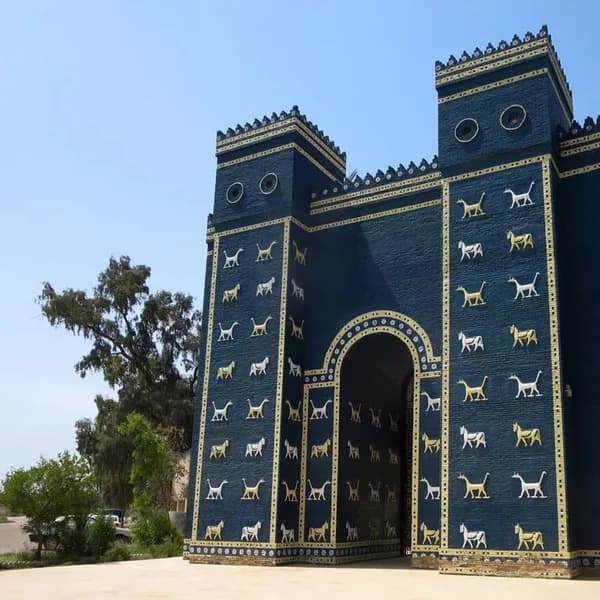
Capital of ancient Babylonia, Babylon flourished under Hammurabi and Nebuchadnezzar II, famed for its Hanging Gardens and Ishtar Gate, before falling to Persia in 539 BCE.
705 a.C. – 612 a.C.
The greatest city of the Neo-Assyrian Empire — Sennacherib's "city without rival" on the Tigris across from modern Mosul, with 80 kilometres of walls enclosing palaces, hanging gardens, and the world's first great library: 30,000 clay tablets assembled by Ashurbanipal recording the full scope of Mesopotamian knowledge.
Oldest City in Türkiye
3000 a.C. – 2000 d.C.
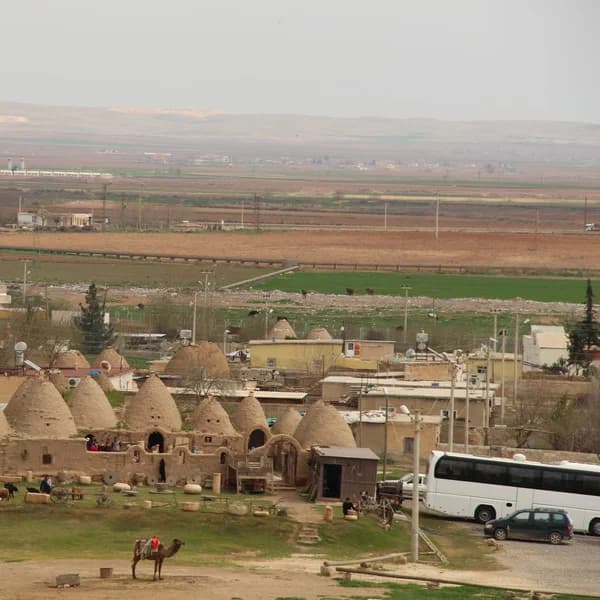
One of the oldest continuously inhabited places on Earth, where Abraham paused on his journey to Canaan, where the last pagan temple of the Moon God survived into the Islamic era, and where distinctive beehive houses dot the Mesopotamian plain.
100 a.C. – 241 d.C.
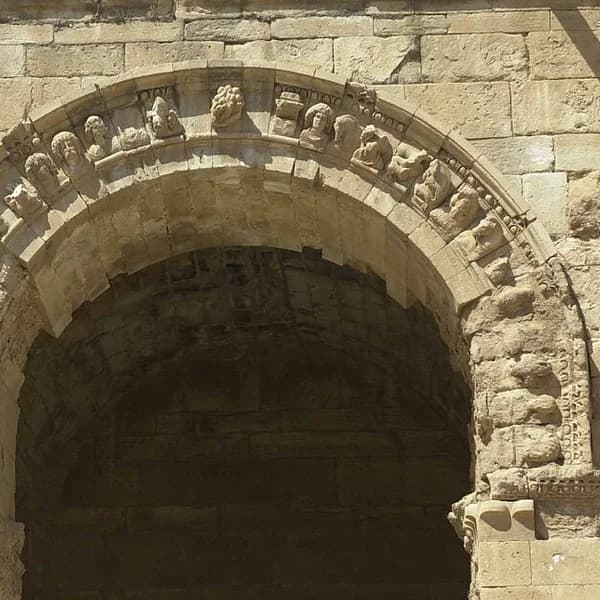
A Parthian caravan city in the northern Iraqi desert that withstood sieges by both Trajan and Septimius Severus — its massive circular defensive walls and hybrid Greco-Roman-Mesopotamian temples stood intact for 1,800 years until partial destruction by ISIS in 2015.
3000 a.C. – 1500 a.C.
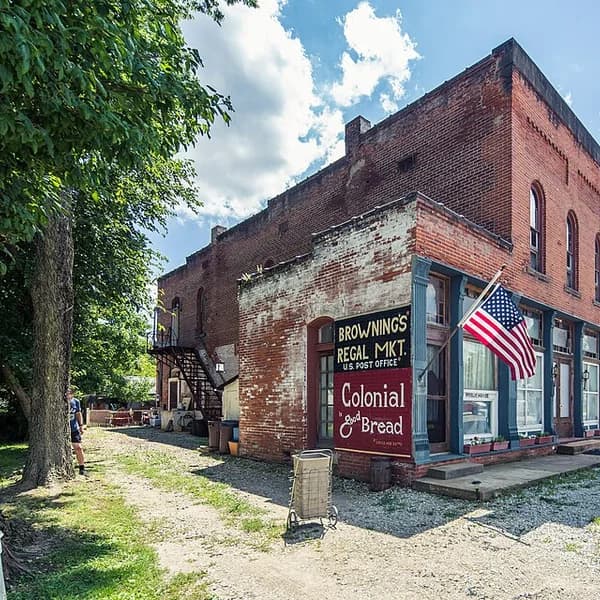
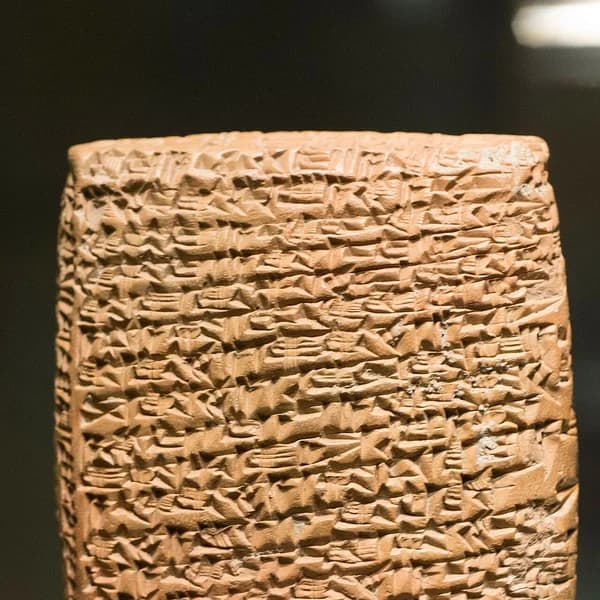
Ancient Kanesh — the site of the oldest known Assyrian trading colony (kārum) and the source of the earliest written records found in Anatolia, predating the Hittite Empire.