
Pular para o conteúdo
Atlas Anatolia
NotíciasIce Age teeth in Sulawesi push betel-nut use back as far as 25,000 yearsRoman mosaic and Eros head uncovered in the basilica at Pompeiopolis, Kastamonu
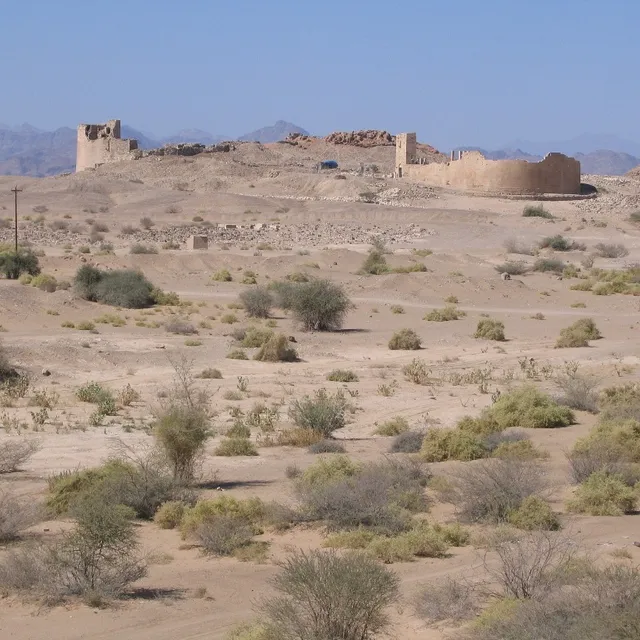
Standing monoliths and ruins of the Almaqah temple at Sirwah, Yemen

Wikimedia Commons

Country Record

Oldest City in Yemen

CidadeUNESCO

Sirwah

Seyfi Cem Baskin

صرواح800 a.C. – 400 d.C.

An early Sabaean political and ritual centre west of Marib, enclosed by massive stone walls and dominated by the temple of Almaqah — inscriptions and fortifications make Sirwah one of the best-preserved early capitals of the incense kingdoms.

21
Interesse 36

Localização

Iêmen

15.45°N · 45.02°E · Ásia

Role

Early Sabaean fortified capital / ritual–administrative centre

Famous text

Inscription of Karibʾil Watar — campaign chronicle of conquests

Temple

Almaqah sanctuary with monumental stone pillars

Defences

Cyclopean limestone enceinte walls

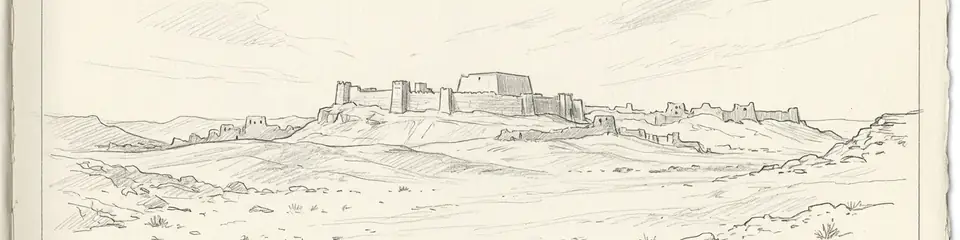
Graphite pencil sketch banner of Sirwah

“Sirwah preserves early Sabaean fortification and cult architecture at a scale and state of survival uncommon in South Arabia, and it anchors the narrative of state expansion through the Karibʾil Watar inscription.”

Localização

Visão geral

Sirwah occupies a rocky spur in the Yemeni highlands about 40 kilometres west of Marib, controlling approaches between highland routes and the Marib oasis. In the early centuries of Sabaean power (roughly eighth–sixth centuries BCE and continuing as a major centre thereafter), Sirwah functioned as a fortified royal and cult place, possibly serving as an early capital before Marib’s full ascendancy — a sequence still discussed in South Arabian scholarship.

The site is famous for cyclopean fortification walls of carefully fitted limestone blocks, the Almaqah temple complex with massive monolithic pillars still standing, and one of the most important political inscriptions of ancient Arabia: the long report of Karibʾil Watar (c. late 7th / early 6th century BCE), a campaign chronicle that lists conquered cities and tribes and is a primary narrative source for early Sabaean expansion.
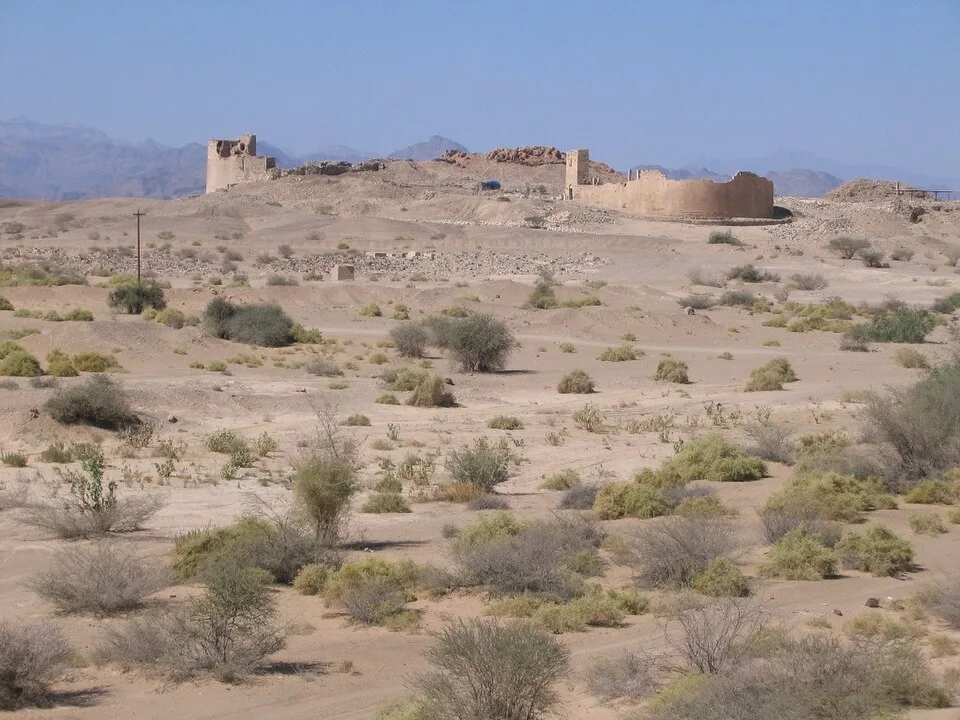
Jemen Sirwah 04
Jemen Sirwah 04 | Kmatura (CC BY-SA 3.0)
"Karibʾil Watar, son of Dhamarʿalī, mukarrib of Saba, built and dedicated… and campaigned against the cities and tribes that are written in this inscription."
— Inscription of Karibʾil Watar at Sirwah (paraphrase), late 7th / early 6th century BCE

German and Yemeni archaeological missions documented architecture, water systems, and inscriptions that together sketch a compact elite centre tightly bound to Sabaean royal ideology. Today Sirwah forms part of the UNESCO Ancient Kingdom of Saba ensemble linking Marib’s hinterland ceremonial and administrative sites.
Por que isso importa

Sirwah preserves early Sabaean fortification and cult architecture at a scale and state of survival uncommon in South Arabia, and it anchors the narrative of state expansion through the Karibʾil Watar inscription. It shows that the Incense Road’s political geography was not only coastal and oasis markets but also highland strongholds controlling movement, water, and ritual authority.

Evidências e interpretação

Distinguir o que está bem estabelecido do que permanece em debate.

Fatos bem estabelecidos

2
  • Architecture and inscriptions establish Sirwah as a major early Sabaean centre with a temple of Almaqah.
  • The Karibʾil Watar inscription is a primary narrative document of early Sabaean military expansion.

Interpretações debatidas

1
  • Whether Sirwah strictly preceded Marib as "the" capital — or operated in tandem as a highland seat — is still discussed.

Fotos da comunidade

Compartilhe sua experiência

Você visitou este sítio? Envie suas fotos para ajudar outros a descobri-lo.

Histórias relacionadas

Como citar esta página

Atlas Anatolia. (800). Sirwah. Atlas Anatolia. https://atlasanatolia.com/pt/site/sirwah

Conteúdo licenciado sob CC BY-SA 4.0 — atribuição necessária ao reutilizar.

Gráfico

Conexões com sítios e histórias relacionados.

Fontes

  • Der Tatenbericht des Karibʾil Watar — Nebes, Norbert (2016)
  • UNESCO — Landmarks of the Ancient Kingdom of SabaLink

Perguntas frequentes

Onde fica Sirwah?

Sirwah está localizado em Yemen.

Qual é a antiguidade de Sirwah?

Sirwah data de aproximadamente 800 a.C. – 400 d.C..

Quais civilizações estão associadas a Sirwah?

Sirwah está associado à civilização Sabaean.

Por que Sirwah é importante?

Sirwah preserves early Sabaean fortification and cult architecture at a scale and state of survival uncommon in South Arabia, and it anchors the narrative of state expansion through the Karibʾil Watar inscription.

Sirwah é um Patrimônio Mundial da UNESCO?

Sim — Sirwah está inscrito na Lista do Patrimônio Mundial da UNESCO.