
Pular para o conteúdo
Atlas Anatolia
NotíciasIce Age teeth in Sulawesi push betel-nut use back as far as 25,000 yearsRoman mosaic and Eros head uncovered in the basilica at Pompeiopolis, Kastamonu
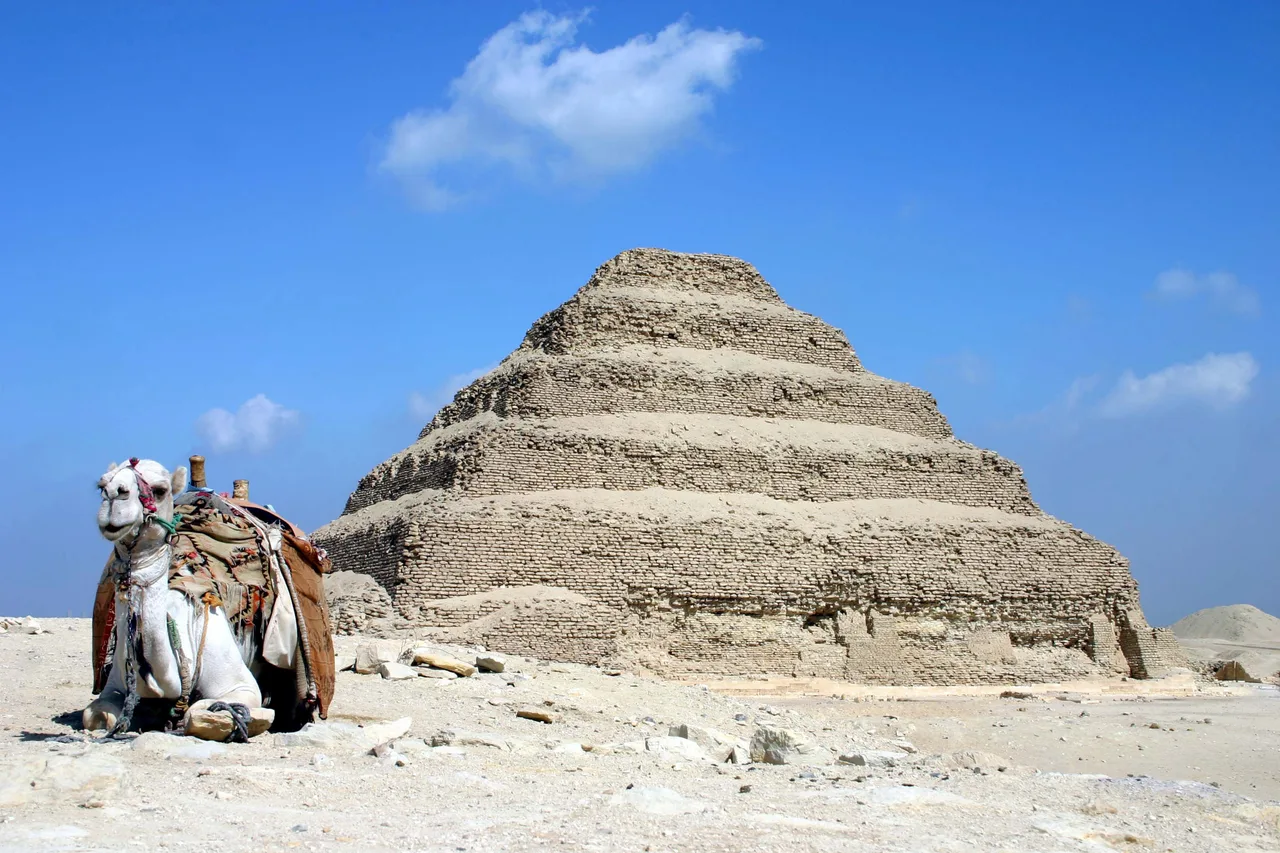
Step Pyramid of Djoser at Saqqara

Wikimedia Commons

World Record

Oldest Necropolis in the World

NecrópoleUNESCODestaque

Saqqara

Seyfi Cem Baskin

سقارة3100 a.C. – 700 d.C.

Egypt's oldest major necropolis, home to the Step Pyramid of Djoser — the world's first large-scale stone monument, built c. 2650 BCE by the architect Imhotep.

41
Interesse 76

Localização

Egito

29.87°N · 31.22°E · África

Height (Step Pyramid)

62 m

Date of construction

c. 2650 BCE

Architect

Imhotep

Reigning pharaoh

Djoser (Third Dynasty)

Site extent

7 km north–south

UNESCO

World Heritage Site (as part of Memphis and its Necropolis)

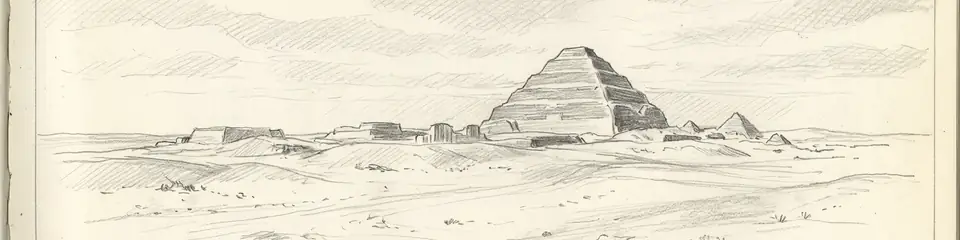
Graphite pencil sketch banner of Saqqara

“Saqqara is where monumental stone architecture was invented.”

Localização

Visão geral

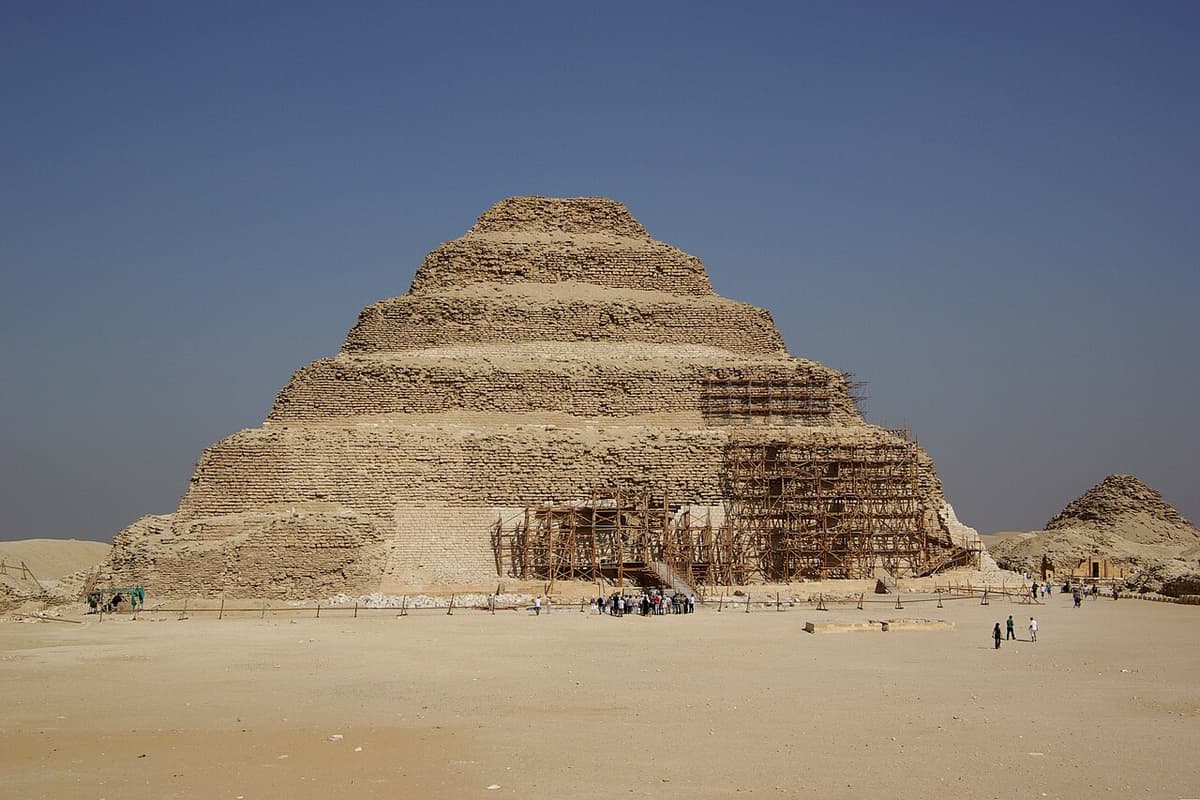
Saqqara stretches 7 km along the desert plateau above the ancient capital Memphis, 25 km south of Cairo. It served as the royal necropolis for more than 3,000 years, from the First Dynasty (c. 3100 BCE) to the Christian era. The defining monument is the Step Pyramid of Djoser, the first large-scale cut-stone structure in human history. Designed by the royal architect Imhotep — later deified by the Egyptians and equated with the Greek healing god Asclepius — the pyramid began as a mastaba (flat-topped tomb) and was progressively enlarged into a six-tiered stepped structure reaching 62 m in height. The surrounding funerary complex covers 15 hectares and includes dummy buildings in stone that imitate the reed and wood structures of the palace. Saqqara also contains the Serapeum, a subterranean gallery of enormous granite sarcophagi where the sacred Apis bulls were buried; pyramid complexes of the Fifth and Sixth Dynasty pharaohs, including the first inscribed Pyramid Texts (c. 2400 BCE, the oldest religious corpus in the world); and a cemetery of officials, priests, and craftsmen whose brightly painted mastabas provide extraordinary detail about daily life in the Old Kingdom.
Por que isso importa

Saqqara is where monumental stone architecture was invented. Before Imhotep's design for Djoser, Egyptian tombs were built of mud brick. The Step Pyramid was not just a technical leap — it was a conceptual one, the first attempt to make permanence out of stone and to project royal power into eternity. The site also preserves the Pyramid Texts, which are the world's oldest surviving religious literature, and the Serapeum, where sacred bulls were buried in sarcophagi weighing up to 80 tonnes. New excavations since 2018 have transformed understanding of the site: a cache of 2,500-year-old mummies found in 2022 in extraordinary preservation opened fresh questions about Late Period funerary practice.

Evidências e interpretação

Distinguir o que está bem estabelecido do que permanece em debate.

Fatos bem estabelecidos

4
  • The Step Pyramid of Djoser dates to c. 2650 BCE (Third Dynasty) based on radiocarbon dating of organic material found during excavation and historical records naming Djoser.
  • Imhotep is identified as the architect on a damaged inscription on the base of a statue found in the pyramid complex — an unusually direct attribution for the ancient world.
  • The Pyramid Texts inscribed in the burial chambers of Fifth and Sixth Dynasty pyramids at Saqqara (c. 2400–2300 BCE) are the oldest surviving religious corpus in the world.
  • The Serapeum contains 25 known burial chambers for Apis bulls, with the smallest dating to the 18th Dynasty and the largest, containing sarcophagi of 70 tonnes, from the 19th Dynasty onward.

Inferências acadêmicas

1
  • The funerary complex's dummy buildings — facades with false doors, dummy shrines — were likely designed to provide the pharaoh with a symbolic palace and ritual landscape in the afterlife.

Fotos da comunidade

Compartilhe sua experiência

Você visitou este sítio? Envie suas fotos para ajudar outros a descobri-lo.

Histórias relacionadas

Como citar esta página

Atlas Anatolia. (3100). Saqqara. Atlas Anatolia. https://atlasanatolia.com/pt/site/saqqara

Conteúdo licenciado sob CC BY-SA 4.0 — atribuição necessária ao reutilizar.

Gráfico

Conexões com sítios e histórias relacionados.

Fontes

  • The Step Pyramid of Djoser: Architecture, History, and Function — Jean-Philippe Lauer (1936)
  • Imhotep the African: Architect of the Cosmos — Robert Bauval, Thomas Brophy (2013)Link
  • Saqqara Saite Tombs ProjectLink

Perguntas frequentes

Onde fica Saqqara?

Saqqara está localizado em Egypt.

Qual é a antiguidade de Saqqara?

Saqqara data de aproximadamente 3100 a.C. – 700 d.C..

Quais civilizações estão associadas a Saqqara?

Saqqara está associado à civilização Ancient Egyptian.

Por que Saqqara é importante?

Saqqara is where monumental stone architecture was invented.

Saqqara é um Patrimônio Mundial da UNESCO?

Sim — Saqqara está inscrito na Lista do Patrimônio Mundial da UNESCO.