
Pular para o conteúdo
Atlas Anatolia
NotíciasIce Age teeth in Sulawesi push betel-nut use back as far as 25,000 yearsRoman mosaic and Eros head uncovered in the basilica at Pompeiopolis, Kastamonu
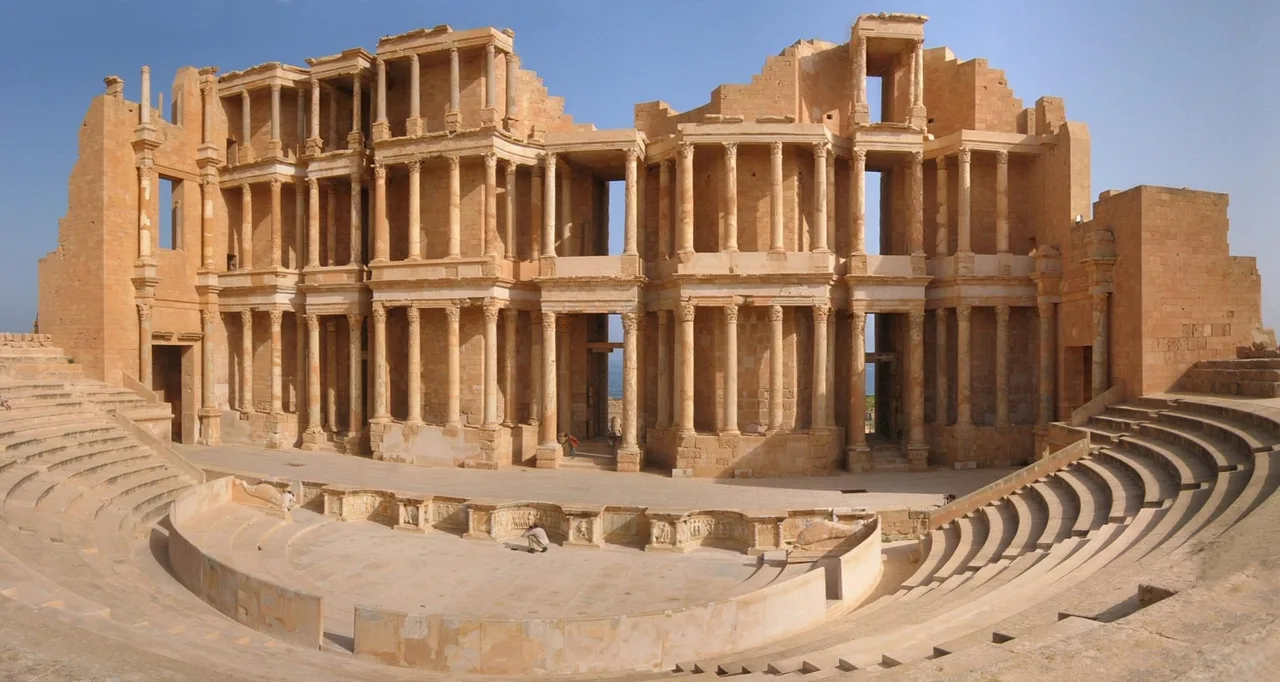
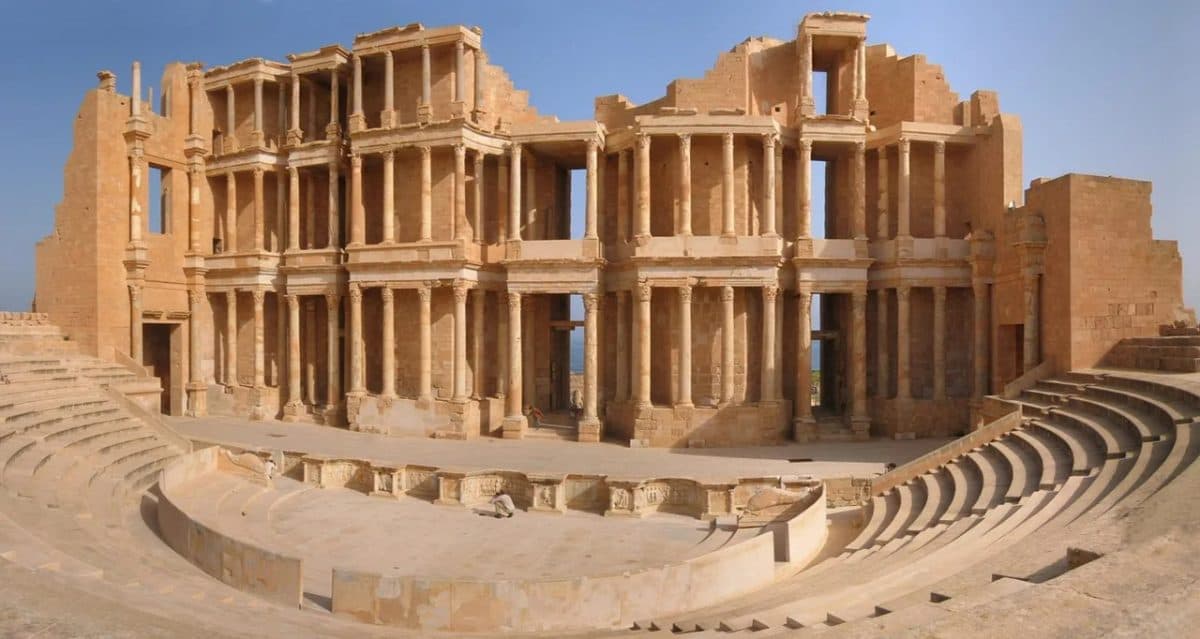
The Roman theatre at Sabratha facing the Mediterranean Sea

Wikimedia Commons

Country Record

Earliest Known Site in Libya

CidadeUNESCO

Sabratha

Seyfi Cem Baskin

صبرata500 a.C. – 647 d.C.

A Punic trading post turned Roman city on the Libyan coast west of Tripoli, famous for its exceptionally preserved theatre facing the sea, mosaic-rich insulae, and the monumental Temple of Liber Pater — one of the most photogenic Roman archaeological sites on the southern Mediterranean shore.

21
Interesse 55

Localização

Zawiya District · Tripolitania · Líbia

32.79°N · 12.49°E · África

Origin

Phoenician trading post, c. 6th–5th century BCE

Peak

2nd–3rd century CE under Roman emperors

Highlight

Theatre with three-storey stage building facing the sea

UNESCO

World Heritage Site 1982

Graphite pencil sketch banner of Sabratha

“Sabratha illustrates the full arc of North African urbanism from Punic commercial settlement through Roman imperial prosperity — essential for understanding Rome's African provinces beyond Carthage.”

Localização

Visão geral

Sabratha lies on a promontory on the Mediterranean coast of northwestern Libya, roughly 70 kilometres west of Tripoli. The site was originally a Phoenician trading settlement, probably established in the 6th–5th century BCE, before developing into a major Roman city under the empire.

Under Roman rule Sabratha became an important port in the province of Africa Proconsularis (later Tripolitania), exporting olive oil, garum (fish sauce), and agricultural products. The city reached its architectural peak in the 2nd and 3rd centuries CE, when emperors including Antoninus Pius and Septimius Severus (himself born in nearby Leptis Magna) patronised major building projects.
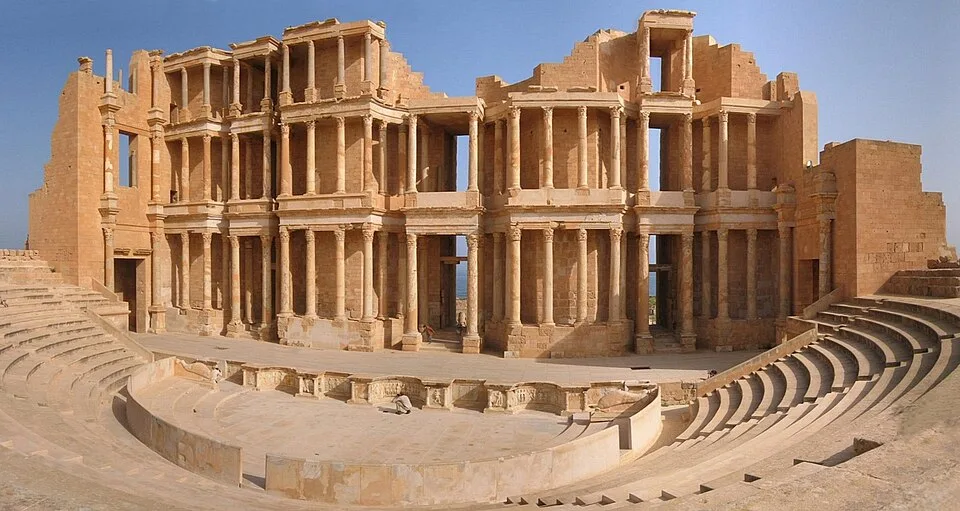
Theatre of Sabratha, Libya
Theatre of Sabratha, Libya | Wikimedia Commons (CC BY-SA 2.0)
"The theatre at Sabratha, with its stage building facing the sea, is among the most beautiful monuments of Roman Africa."
— Archaeological summary, UNESCO World Heritage inscription, 1982

The theatre, rebuilt in the 2nd century CE with a three-storey scaenae frons (stage building) facing directly toward the sea, is among the most spectacular Roman theatres in Africa. Nearby stand the Forum Temple (Temple of Liber Pater), basilicas, baths decorated with mosaics, and residential quarters. Sabratha was damaged in earthquakes in the 4th century and declined after the Vandal and Byzantine periods.
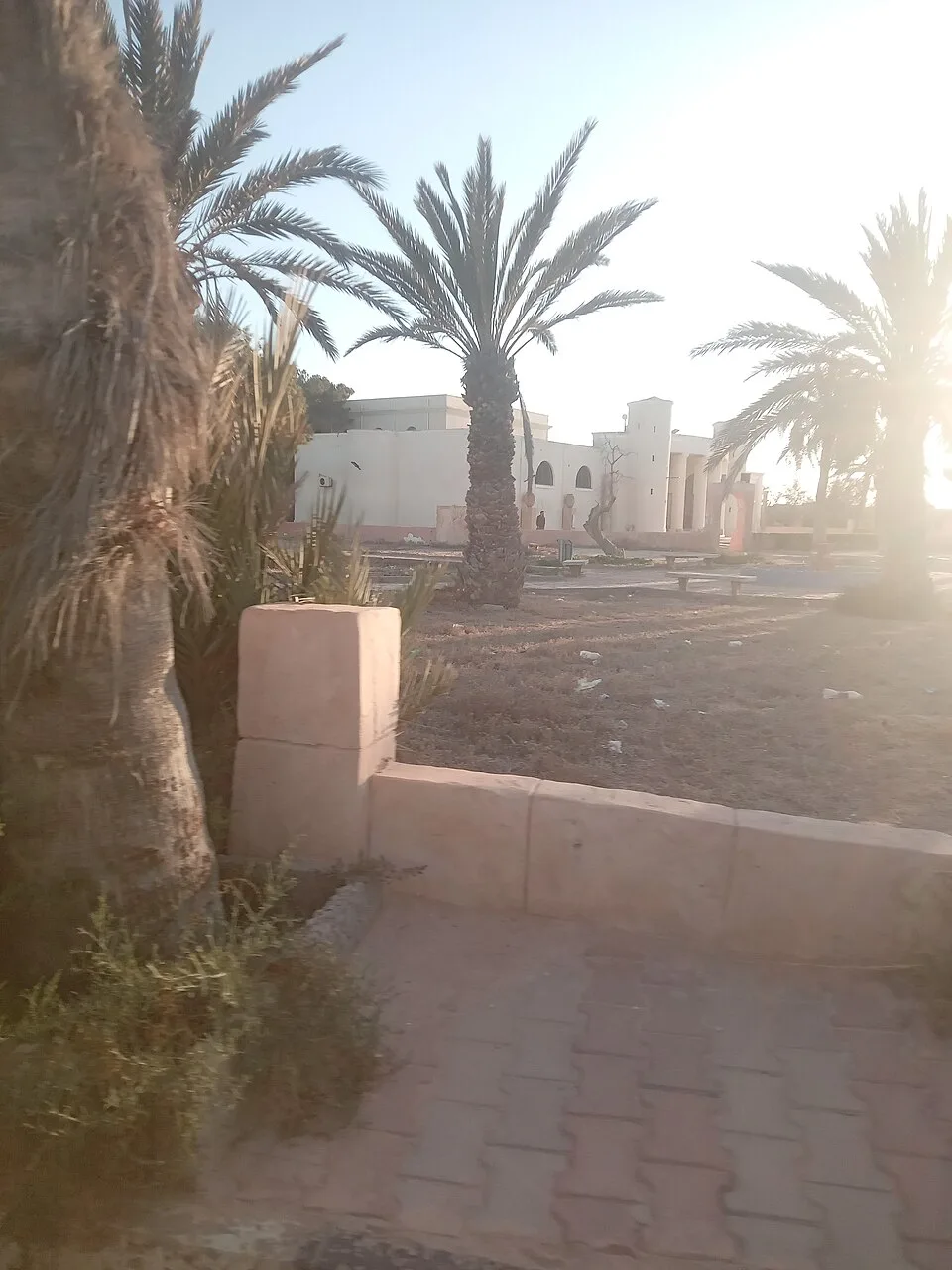
Roman Museum, Sabratha (68372)
Roman Museum, Sabratha (68372) | رامز ليفل الوحش (CC BY 4.0)

Italian archaeologists excavated extensively from the 1920s onward; the site is part of the UNESCO World Heritage listing "Archaeological Site of Sabratha" (1982).
Por que isso importa

Sabratha illustrates the full arc of North African urbanism from Punic commercial settlement through Roman imperial prosperity — essential for understanding Rome's African provinces beyond Carthage. Its theatre and temple complex rank among the finest Roman monuments on the Mediterranean's southern rim, preserving architectural detail that many better-known sites have lost. As part of Tripolitania's UNESCO group alongside Leptis Magna and Oea (Tripoli), Sabratha completes the picture of Roman Libya's coastal urban network.

Evidências e interpretação

Distinguir o que está bem estabelecido do que permanece em debate.

Fatos bem estabelecidos

2
  • The 2nd-century CE theatre with its scaenae frons is among the best-preserved Roman theatres in North Africa.
  • Mosaic floors and insulae document wealthy Roman residential life at the site.

Inferências acadêmicas

1
  • Punic-phase occupation predates visible Roman monumental architecture but is less extensively excavated.

Fotos da comunidade

Compartilhe sua experiência

Você visitou este sítio? Envie suas fotos para ajudar outros a descobri-lo.

Histórias relacionadas

Como citar esta página

Atlas Anatolia. (500). Sabratha. Atlas Anatolia. https://atlasanatolia.com/pt/site/sabratha

Conteúdo licenciado sob CC BY-SA 4.0 — atribuição necessária ao reutilizar.

Gráfico

Conexões com sítios e histórias relacionados.

Fontes

  • Tripolitania — Mattingly, D. J. (1995)
  • UNESCO — Archaeological Site of SabrathaLink

Perguntas frequentes

Onde fica Sabratha?

Sabratha está localizado em Zawiya District, Tripolitania, Libya.

Qual é a antiguidade de Sabratha?

Sabratha data de aproximadamente 500 a.C. – 647 d.C..

Quais civilizações estão associadas a Sabratha?

Sabratha está associado à civilização Carthaginian / Phoenician, Roman.

Por que Sabratha é importante?

Sabratha illustrates the full arc of North African urbanism from Punic commercial settlement through Roman imperial prosperity — essential for understanding Rome's African provinces beyond Carthage.

Sabratha é um Patrimônio Mundial da UNESCO?

Sim — Sabratha está inscrito na Lista do Patrimônio Mundial da UNESCO.