Pular para o conteúdo
Atlas Anatolia
NotíciasIce Age teeth in Sulawesi push betel-nut use back as far as 25,000 yearsRoman mosaic and Eros head uncovered in the basilica at Pompeiopolis, Kastamonu
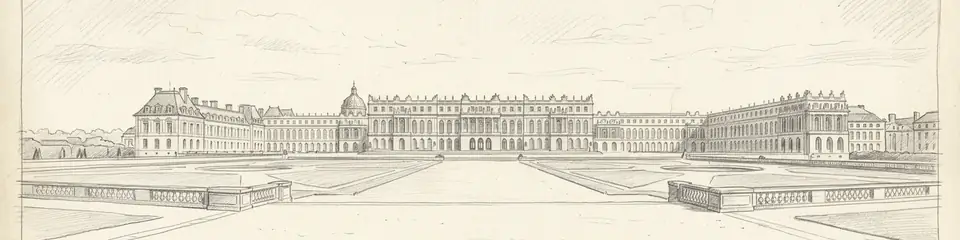
The garden façade of the Palace of Versailles, France

Wikimedia Commons (CC BY-SA 3.0)

Country Record

Known by the Most Names in France

PatrimônioComplexoUNESCODestaque

Palace of Versailles

Seyfi Cem Baskin

Château de Versailles1623 d.C. – 1789 d.C.

The Bourbon royal palace west of Paris — Hall of Mirrors, terraced gardens, and the seat of Louis XIV's absolutist court — ranks among the most searched historic buildings in German and Chinese Wikipedia and defines European palace architecture.

21
Interesse 91

Localização

França

48.80°N · 2.12°E · Europa

Court moved

1682 — Louis XIV makes Versailles principal residence

Hall of Mirrors

73 m gallery; Treaty of Versailles signed here (1919)

Gardens

André Le Nôtre; Grand Canal and fountains

UNESCO

Palace and Park of Versailles (1979)

Graphite pencil sketch banner of Palace of Versailles

“Versailles is the textbook of Baroque absolutism — architecture, garden, and ritual designed to make the Sun King's body the axis of the state.”

Localização

Visão geral

The Palace of Versailles stands in the town of Versailles, Île-de-France, about 20 kilometres southwest of Paris. Louis XIII built a hunting lodge; his son Louis XIV transformed it from the 1660s into the principal residence of the French court and the symbolic centre of absolute monarchy. Architects Louis Le Vau, Jules Hardouin-Mansart, and André Le Nôtre shaped the palace, gardens, and hydraulic displays into a unified gesamtkunstwerk.

The Galerie des Glaces (Hall of Mirrors), completed 1684, looks over the Grand Canal axis where ambassadors witnessed French power. Hundreds of nobles lived in the palace under surveillance, their lives choreographed around the king's daily lever and coucher. The Treaty of Versailles (1919) was signed in the same hall, linking the site to 20th-century geopolitics.

"L'État, c'est moi — yet it was at Versailles that the spectacle of monarchy was stage-managed so that every corridor proclaimed the glory of the Sun King."
— Paraphrase of Louis XIV court ideology as recorded by Saint-Simon (early 18th c.)
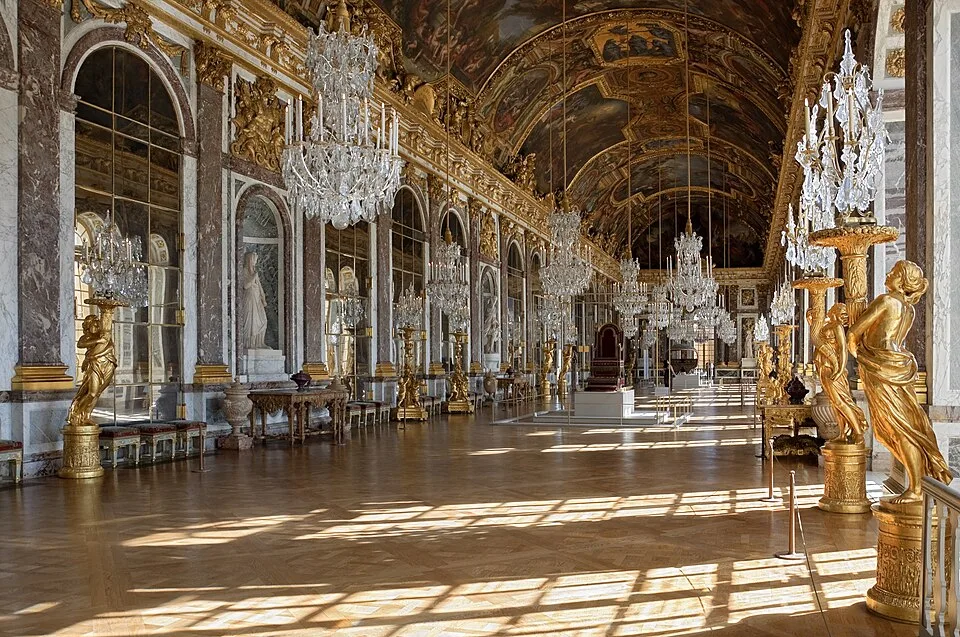
Chateau Versailles Galerie des Glaces
Chateau Versailles Galerie des Glaces | Myrabella (CC BY-SA 3.0)
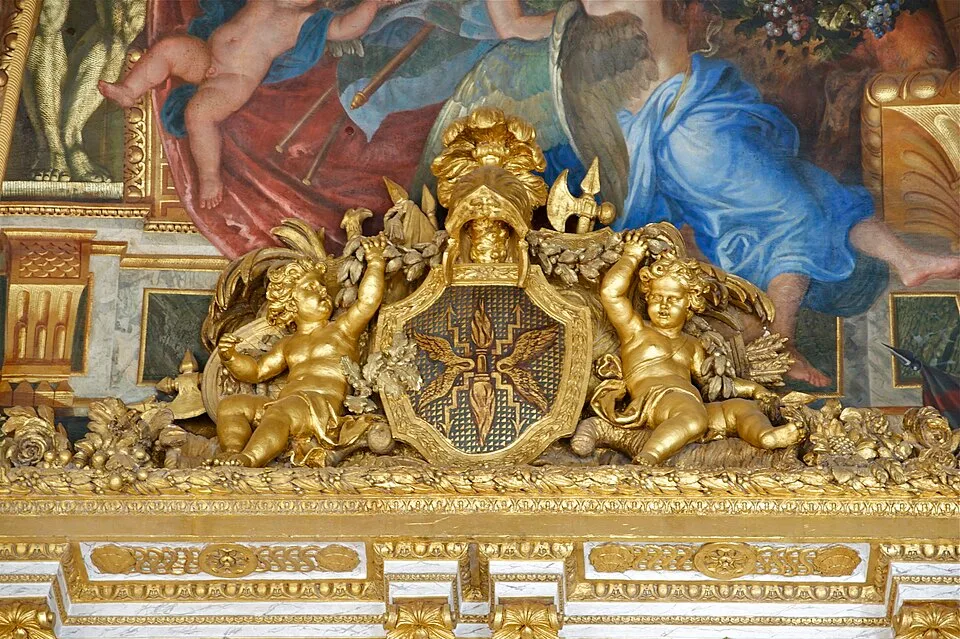
Foudre Hall of Mirrors Versailles
Foudre Hall of Mirrors Versailles | Jebulon (CC0)
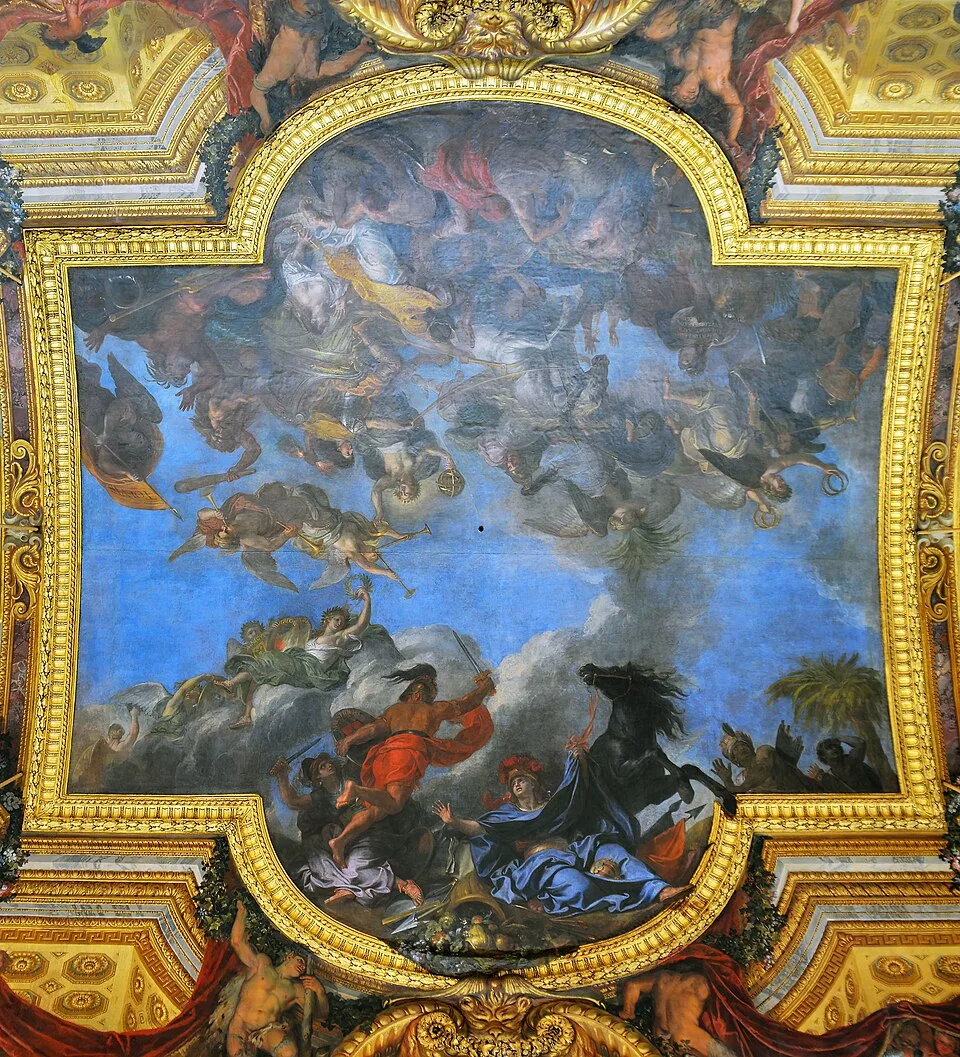
Ceiling of Hall of Mirrors Palace of Versailles
Ceiling of Hall of Mirrors Palace of Versailles | Livioandronico2013 (CC BY-SA 4.0)

The French Revolution emptied the court in 1789; the complex became a museum of French history under later republics. UNESCO inscribed the Palace and Park of Versailles in 1979. Annual visitor numbers rank among the highest of any historic house in the world.

Por que isso importa

Versailles is the textbook of Baroque absolutism — architecture, garden, and ritual designed to make the Sun King's body the axis of the state. Its Hall of Mirrors anchors both the apogee of Bourbon power and the peace settlement that reshaped Europe after the First World War.

Evidências e interpretação

Distinguir o que está bem estabelecido do que permanece em debate.

Fatos bem estabelecidos

2
  • Royal building accounts, engravings, and surviving fabric document Louis XIV–XV expansion campaigns.
  • Hydraulic engineering at the Machine de Marly supplied fountain displays documented in court diaries.

Inferências acadêmicas

1
  • Court etiquette manuals and memoirs (Saint-Simon) describe surveillance culture inferred from apartment layouts.

Fotos da comunidade

Compartilhe sua experiência

Você visitou este sítio? Envie suas fotos para ajudar outros a descobri-lo.

Como citar esta página

Atlas Anatolia. (1623). Palace of Versailles. Atlas Anatolia. https://atlasanatolia.com/pt/site/palace-of-versailles

Conteúdo licenciado sob CC BY-SA 4.0 — atribuição necessária ao reutilizar.

Fontes

  • Versailles: The Château of Louis XIV — Berger, Robert W. (1985)
  • UNESCO — Palace and Park of VersaillesLink

Perguntas frequentes

Onde fica Palace of Versailles?

Palace of Versailles está localizado em France.

Qual é a antiguidade de Palace of Versailles?

Palace of Versailles data de aproximadamente 1623 d.C. – 1789 d.C..

Quais civilizações estão associadas a Palace of Versailles?

Palace of Versailles está associado à civilização Medieval French, Bourbon.

Por que Palace of Versailles é importante?

Versailles is the textbook of Baroque absolutism — architecture, garden, and ritual designed to make the Sun King's body the axis of the state.

Palace of Versailles é um Patrimônio Mundial da UNESCO?

Sim — Palace of Versailles está inscrito na Lista do Patrimônio Mundial da UNESCO.