
Pular para o conteúdo
Atlas Anatolia
NotíciasIce Age teeth in Sulawesi push betel-nut use back as far as 25,000 yearsRoman mosaic and Eros head uncovered in the basilica at Pompeiopolis, Kastamonu
Piazzale delle Corporazioni mosaics at Ostia Antica

Wikimedia Commons (CC BY-SA 2.0)

Country Record

Earliest Known Site in Italy

CidadeDestaque

Ostia Antica

Seyfi Cem Baskin

600 a.C. – 500 d.C.

Rome’s river-mouth harbour city — streets of brick apartments, baths, and guild offices frozen after the Tiber silted — is the best place to walk everyday imperial urbanism outside Pompeii.

21
Interesse 68

Localização

Itália

41.76°N · 12.29°E · Europa

Role

Harbour city of ancient Rome

Peak

1st–2nd centuries CE

Signature space

Piazzale delle Corporazioni

Decline

Silting + shift to Portus

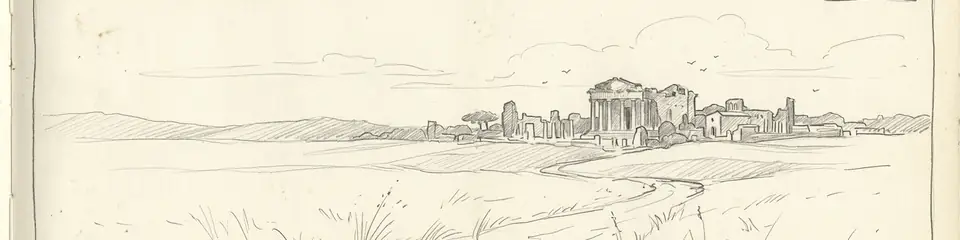
Graphite pencil sketch banner of Ostia Antica

“Ostia preserves ordinary Roman streets, shops, and apartments at a scale Pompeii cannot match for harbour commerce.”

Localização

Visão geral

Ostia Antica lies at the ancient mouth of the Tiber, about 25 km southwest of Rome. Tradition ties its foundation to Ancus Marcius in the regal period; the archaeologically visible city expands from a Republican castrum into a dense Imperial port town of warehouses (horrea), multi-storey apartments (insulae), mithraea, synagogues, and the famous Piazzale delle Corporazioni with mosaic emblems of trading guilds. Grain, oil, and marble moved through Ostia and later Portus to feed the capital.

As the coastline prograded and Portus took over shipping, Ostia declined; malaria and silting left standing brick walls that 19th–20th century excavations opened as an open-air museum. The site remains one of the richest laboratories for Roman domestic and commercial architecture. Pair with Pompeii and the Colosseum for complementary views of Roman urban life and spectacle.

Por que isso importa

Ostia preserves ordinary Roman streets, shops, and apartments at a scale Pompeii cannot match for harbour commerce. It is essential for understanding how Rome fed itself and how guilds, religions, and migrants organised life at the empire’s logistical throat.

Evidências e interpretação

Distinguir o que está bem estabelecido do que permanece em debate.

Fatos bem estabelecidos

2
  • Inscriptions, brick stamps, and standing insulae document continuous Imperial expansion of harbour, warehouses, and housing.
  • Guild mosaics on the Piazzale delle Corporazioni name trading associations tied to Mediterranean commerce.

Inferências acadêmicas

1
  • Malaria and coastal progradation accelerated late antique abandonment after Portus captured deep-water traffic.

Fotos da comunidade

Compartilhe sua experiência

Você visitou este sítio? Envie suas fotos para ajudar outros a descobri-lo.

Como citar esta página

Atlas Anatolia. (600). Ostia Antica. Atlas Anatolia. https://atlasanatolia.com/pt/site/ostia-antica

Conteúdo licenciado sob CC BY-SA 4.0 — atribuição necessária ao reutilizar.

Fontes

  • Roman Ostia — Meiggs, Russell (1973)
  • Ostia: Aspects of Roman City Life — Hermansen, Gustav (1981)

Perguntas frequentes

Onde fica Ostia Antica?

Ostia Antica está localizado em Italy.

Qual é a antiguidade de Ostia Antica?

Ostia Antica data de aproximadamente 600 a.C. – 500 d.C..

Quais civilizações estão associadas a Ostia Antica?

Ostia Antica está associado à civilização Roman.

Por que Ostia Antica é importante?

Ostia preserves ordinary Roman streets, shops, and apartments at a scale Pompeii cannot match for harbour commerce.

Ostia Antica é um Patrimônio Mundial da UNESCO?

Ostia Antica não está atualmente inscrito na Lista do Patrimônio Mundial da UNESCO.