
Pular para o conteúdo
Atlas Anatolia
NotíciasIce Age teeth in Sulawesi push betel-nut use back as far as 25,000 yearsRoman mosaic and Eros head uncovered in the basilica at Pompeiopolis, Kastamonu
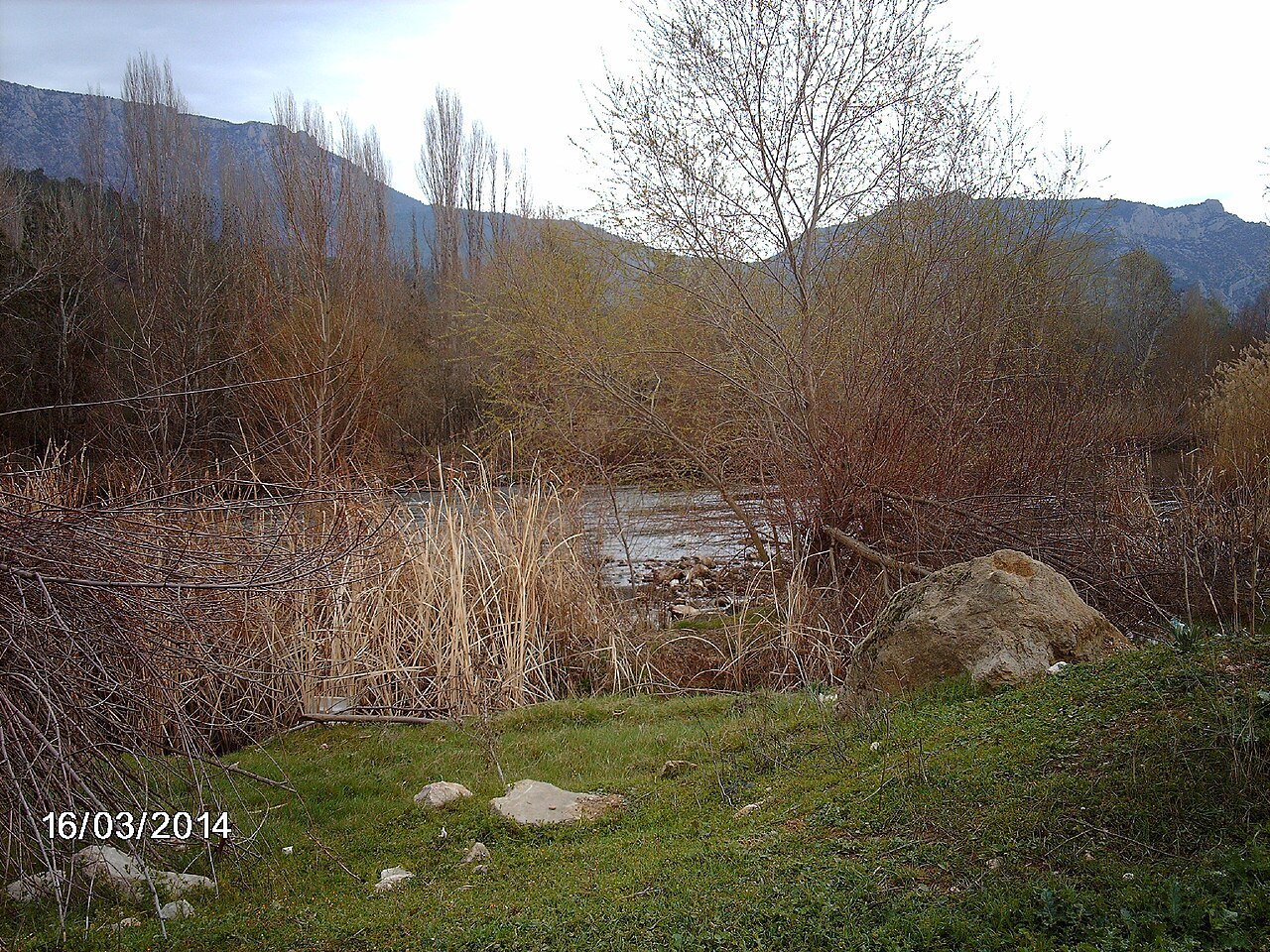
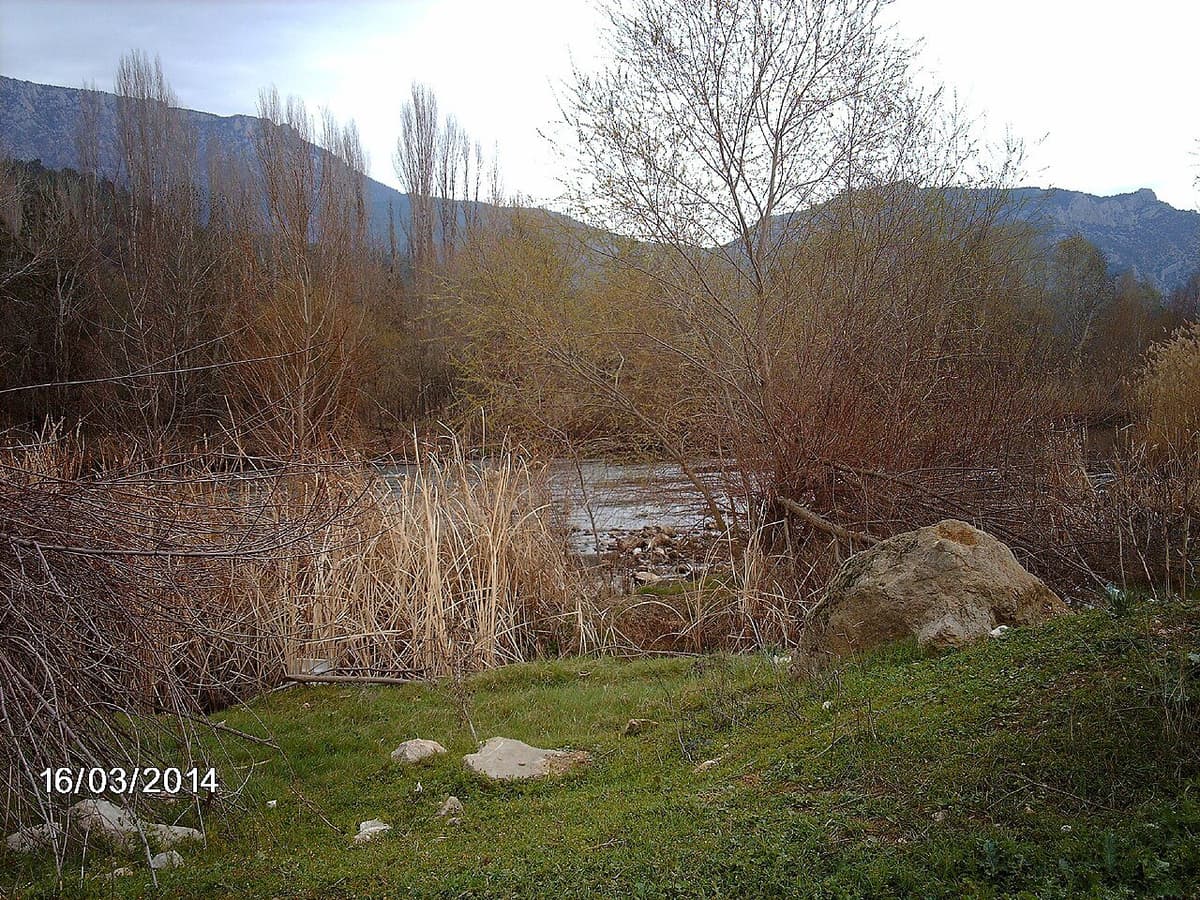
Sakarya Valley landscape near Bilecik, northwestern Türkiye, the river corridor below Gedikkaya Cave. Not a photograph of the cave mouth or the 2026 figurines.

Wikimedia Commons (CC BY-SA). Valley setting, not the excavation trench.

Continent Record

Oldest Complex in Asia

ComplexoDestaque

Gedikkaya Cave

Seyfi Cem Baskin

Gedikkaya Mağarası14500 a.C. – 4500 a.C.

A north-facing limestone cave above the Sakarya Valley near İnhisar, Bilecik, occupied from the Epipaleolithic through the Middle Chalcolithic (c. 14,500-4,500 BCE). The 2026 season recovered about 25 limestone turtle figurines around circular stone rings.

311
Interesse 16

Localização

Bilecik · Northwestern Anatolia · Turquia

40.04°N · 30.39°E · Ásia

Location

İnhisar district, Bilecik; ~1 km southeast of town, north slope of İnkaya

Occupation

c. 14,500-4,500 BCE (Epipaleolithic, Neolithic, Middle Chalcolithic)

Cave

~180 m long; mouth 6 x 3.5 m; 354 m asl, ~180 m above the Sakarya

2026 season

18 May-18 July; ~25 limestone turtle figurines, some clay-coated

Director

Prof. Dr. Deniz Sarı, Bilecik Şeyh Edebali University

Finds now at

Bilecik Museum and Bilecik Şeyh Edebali University (conservation)

“Northwestern Anatolia has far fewer published Epipaleolithic cave sequences than Antalya (Karain, Öküzini).”

Localização

Visão geral

Gedikkaya Cave (registered as İn Cave) opens on the north slope of the rocky hill called İnkaya, about 1 km southeast of İnhisar in Bilecik province, northwestern Türkiye. The mouth faces the Sakarya Valley. It is about 6 m wide and 3.5 m high, at 354 m above sea level, roughly 180 m above the river and 125 m above the road. The cave runs about 180 m into Upper Jurassic-Lower Cretaceous Bilecik limestone; inner chambers reach 15-20 m in height and 30 m in width.

Occupation is not a single camp. Calibrated radiocarbon dates published by Deniz Sarı in Belleten (2024) place the earliest cultural layer around 14,500 BCE (Epipaleolithic) and the latest around 4,500 BCE (Middle Chalcolithic). Sparse Hellenistic sherds show later visitors from a settlement on the slopes below. A bone sample from mixed fills returned a radiocarbon age greater than 48,618 BP; whether that records an Upper Paleolithic stop on the modern-human dispersal into Eurasia is still unproven and needs wider excavation.

The Epipaleolithic layers include niches with animal bone (including tortoise shell), knapped stone, a pavement of flat slabs, and a special area about 40 m inside the entrance: two nested, crescent-shaped stone rings around a stalagmite whose top was flattened. Sarı treats that unit as an offering pit. A 2025 paper in Anatolian Research dates the symbolic assemblage in one layer to 13,166-11,200 cal BCE. Late Neolithic use is thin and sits near the 8.2 ka cooling event; early Chalcolithic architecture looks more seasonal than permanent.

Archaeological material inside the cave was first recorded in Sarı's 2017 Bilecik survey, after MTA geological visits (Rupprecht 1960; Nazik and colleagues 2001) had mapped the cave without noting the prehistoric fill. Rescue work under the Bilecik Museum ran from 2019 to 2023. In 2026 a 14-member university team excavated from 18 May to 18 July on behalf of the Ministry of Culture and Tourism.
Por que isso importa

Northwestern Anatolia has far fewer published Epipaleolithic cave sequences than Antalya (Karain, Öküzini). Gedikkaya adds a dated Sakarya Valley sequence, a rare ritual installation around a modified stalagmite, and, in 2026, a cluster of turtle-shaped limestone objects placed around circular architecture. The turtle series is news. The cave's longer occupation and offering-pit context are already in the 2024-2025 papers. Treat mountain cult as the director's caution, not a result.

Evidências e interpretação

Distinguir o que está bem estabelecido do que permanece em debate.

Fatos bem estabelecidos

3
  • Radiocarbon dates published in Belleten 88/311 (2024) place occupation from about 14,500 BCE to 4,500 BCE across Epipaleolithic, Neolithic, and Middle Chalcolithic layers.
  • The 2026 season (18 May-18 July), a 14-member team led by Deniz Sarı, recovered about 25 limestone turtle figurines. The largest is about 30 x 20 cm. Some have a clay coating. Many are roughly shaped or unfinished.
  • Sarı reported the figurines inserted upright in the soil around a circular architectural arrangement. The objects went to Bilecik Museum and the university for study and restoration.

Inferências acadêmicas

1
  • The team reads the 2026 turtles, together with earlier tortoise shell in niches and a stalagmite offering pit, as ritual deposition rather than toys or workshop waste. Placement and repetition are the argument, not an inscription.

Interpretações debatidas

1
  • Sarı said it is too early to call the site a mountain cult. Some small figurines may echo the outline of Gedikkaya Hill; that landscape reading is a hypothesis, not a demonstrated identification.

Descoberta e escavação

2017–2017

Bilecik survey first records the prehistoric fill

Dirigido por Deniz Sarı

Deniz Sarı documented dense prehistoric deposits inside the cave during the Bilecik cultural-heritage survey, after earlier MTA geological mapping had not noted the archaeology. Looting and film work had already damaged the interior.

2019–2023

Bilecik Museum rescue excavations

Dirigido por Bilecik Museum

Museum-directed rescue seasons before the university project opened under a presidential decree.

2026–2026

University excavation: turtle figurines around circular rings

Dirigido por Deniz Sarı, Bilecik Şeyh Edebali University

Fourteen-person team, 18 May-18 July, Ministry of Culture and Tourism. About 25 limestone turtle figurines recovered; largest about 30 x 20 cm.

Mídia

Fotos da comunidade

Compartilhe sua experiência

Você visitou este sítio? Envie suas fotos para ajudar outros a descobri-lo.

Histórias relacionadas

Como citar esta página

Atlas Anatolia. (14500). Gedikkaya Cave. Atlas Anatolia. https://atlasanatolia.com/pt/site/gedikkaya-cave

Conteúdo licenciado sob CC BY-SA 4.0 — atribuição necessária ao reutilizar.

Gráfico

Conexões com sítios e histórias relacionados.

Fontes

  • Anadolu Tarih Öncesi Dönemlerine Yeni Katkılar: İnhisar Gedikkaya Mağarası (MÖ 14500-4500) — Sarı, Deniz (2024)Link
  • Epipalaeolithic Ritual Practices at Gedikkaya Cave, Northwestern Türkiye — Sarı, Deniz (2025)Link
  • 25 turtle figurines dating back 16,500 years found in Türkiye — Anadolu Agency (2026)Link
  • 25 Turtle Figurines Unearthed in a Turkish Cave, Some Dating Back 16,500 Years — Arkeonews (2026)Link

Perguntas frequentes

Onde fica Gedikkaya Cave?

Gedikkaya Cave está localizado em Bilecik, Northwestern Anatolia, Turkey.

Qual é a antiguidade de Gedikkaya Cave?

Gedikkaya Cave data de aproximadamente 14500 a.C. – 4500 a.C..

Por que Gedikkaya Cave é importante?

Northwestern Anatolia has far fewer published Epipaleolithic cave sequences than Antalya (Karain, Öküzini).

Gedikkaya Cave é um Patrimônio Mundial da UNESCO?

Gedikkaya Cave não está atualmente inscrito na Lista do Patrimônio Mundial da UNESCO.