
콘텐츠로 건너뛰기
Atlas Anatolia
디그
뉴스술라웨시 빙하기 치아에서 빈랑 사용 25,000년 전까지 소급카스타모누 폼페이오폴리스 바실리카에서 로마 모자이크와 에로스 두상 발견
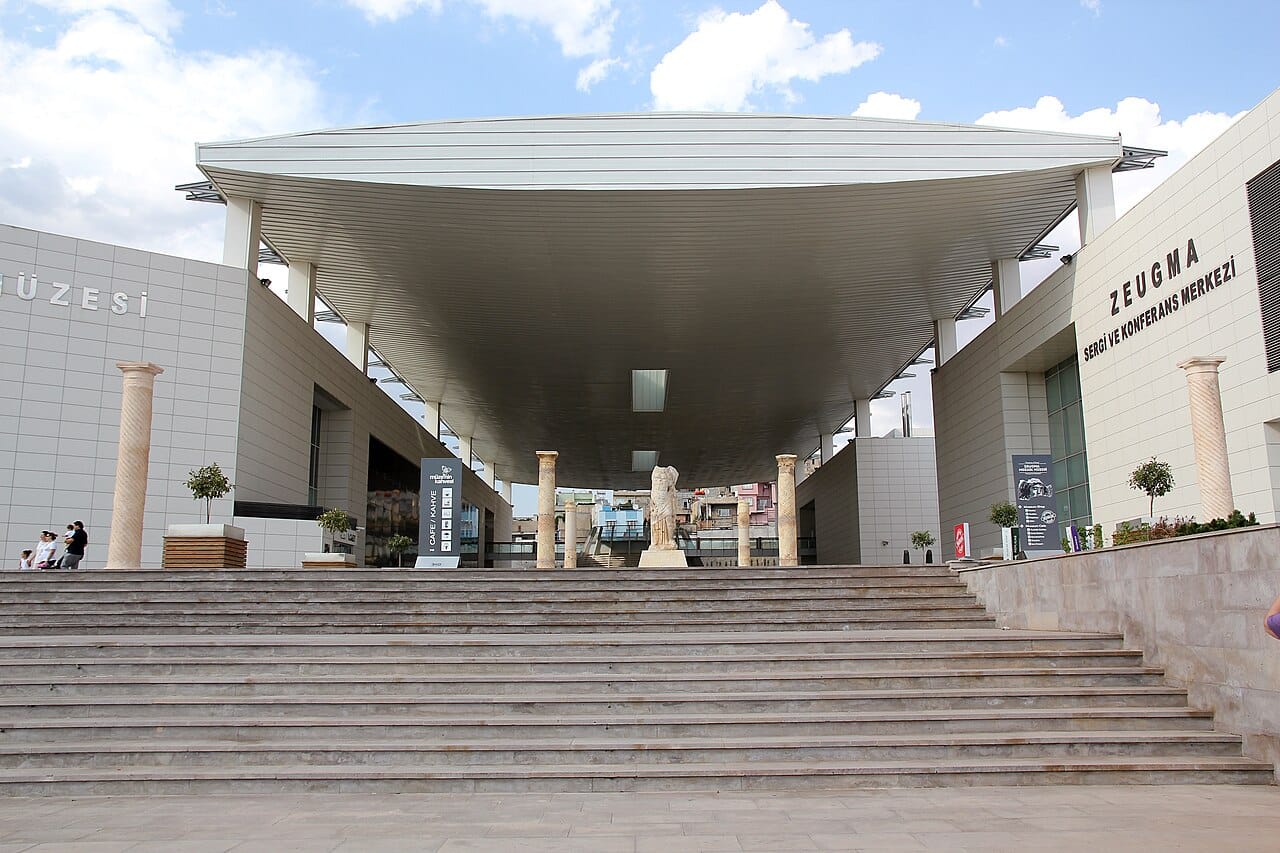
Zeugma archaeological site

Wikimedia Commons (CC BY-SA)

도시

Zeugma

Seyfi Cem Baskin

300 기원전 – 700 서기

A Roman frontier city on the Euphrates, famous for its extraordinary mosaic floors — including the iconic "Gypsy Girl" — rescued before the Birecik Dam flooded much of the site.

321
관심 47

위치

Gaziantep · Southeastern Anatolia · 튀르키예

37.05°N · 37.87°E · 아시아

Date Range

300 BCE – 700 CE

Province

Gaziantep

Location

Near modern Gaziantep, Turkey, on the banks of the Euphrates River

Historical Period

Founded as Seleucia by Seleucus I Nicator (c. 300 BCE); major Roman city from 1st century CE

Significance

Crucial military and commercial crossing point (bridge) between Anatolia and Mesopotamia

Fate

Approximately 80% of the ancient site was submerged by the Birecik Dam reservoir in 2000

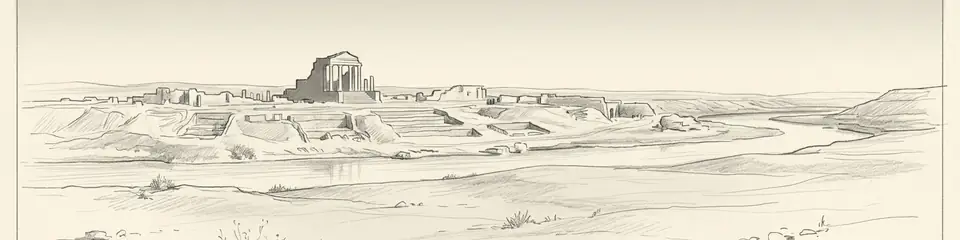
Graphite pencil sketch banner of Zeugma

“Zeugma matters as a critical archaeological lens into the mechanics and culture of a Roman frontier.”

위치

개요

Zeugma, situated on the eastern bank of the Euphrates River in southeastern Turkey, occupies a dramatic and strategic position. The city sprawled across steep slopes descending to the river, with its urban fabric divided into two main sectors: the upper city on the plateau and the lower city extending to the waterfront. Its most defining geographical feature was the ancient pontoon bridge, from which its name (meaning "bridge" or "crossing" in Greek) derives, connecting it to the opposite bank and the city of Apamea. This location made it a vital control point for river traffic and caravan routes between Anatolia, Syria, and Mesopotamia. Today, the visible remains are a testament to both its ancient grandeur and modern rescue efforts, with excavated areas revealing terraced streets, wealthy residential districts, and the stark reality of the now-submerged lower city lying beneath the waters of the Birecik Dam reservoir.

Historically, Zeugma's significance stems from its role as a pivotal military and commercial frontier city. Founded around 300 BCE by Seleucus I Nicator as one of a pair of cities guarding the river crossing, it came under Roman control in 64 BCE and became a key legionary base for the Legio IV Scythica, securing the eastern border of the empire against the Parthians and later the Sassanids. This military importance fueled its prosperity, transforming it into a cosmopolitan hub where Roman, Greek, and Eastern Syrian cultures intermingled. Its wealth, derived from taxes on trade and the presence of well-paid soldiers and officials, reached its zenith during the 2nd and 3rd centuries CE, before a Sassanian sack in the mid-3rd century began its gradual decline.

"Zeugma is a city of Commagene, where a bridge of boats connects the two banks of the Euphrates."
— Strabo, Geographica (c. 20 CE)

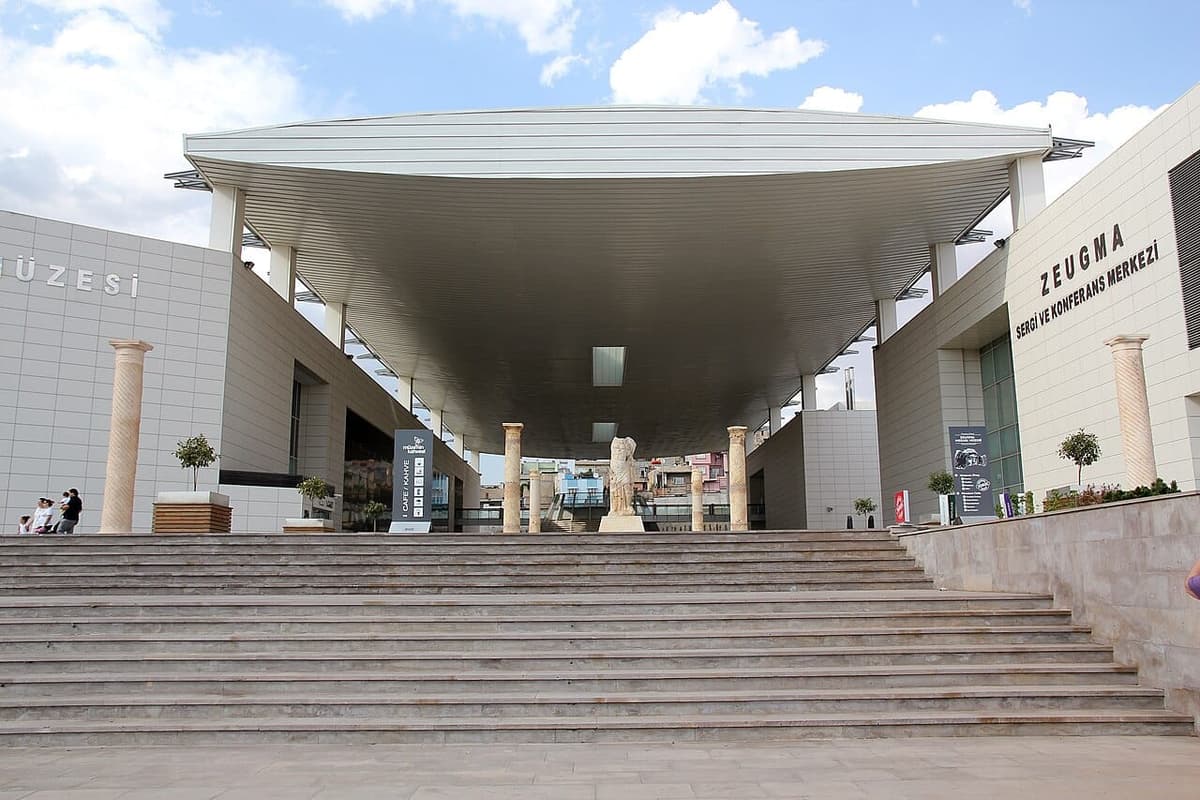
The site is most renowned for the opulent Roman houses of the elite, whose floors are adorned with an extraordinary collection of mosaic pavements, among the finest in the Roman world. These mosaics, depicting mythological scenes, intricate geometric patterns, and vivid portraits, adorned structures like the Poseidon House and the House of Dionysus. The most famous single image is the hauntingly beautiful "Gypsy Girl" (often identified as a maenad or personification of Gaia), whose eyes seem to follow the viewer. Key excavated structures include a large Roman villa, a stadium, and several temples. The ongoing excavations continue to reveal public baths, market areas, and an extensive network of water pipes and sewers, illustrating sophisticated urban planning. The Zeugma Mosaic Museum in Gaziantep now houses the rescued treasures, preserving the artistic legacy of the flooded city.

Culturally, Zeugma embodies the synthesis of Greco-Roman and Eastern traditions characteristic of the Roman East. Its art and architecture reflect the tastes of a wealthy, hybrid society that worshipped both the classical pantheon and local deities. The sheer quantity and quality of the mosaics indicate a highly skilled local workshop tradition and a clientele eager to display their status and cultural affiliation. The dramatic rescue archaeology project, launched in the 1990s ahead of the dam's completion, turned Zeugma into an international symbol of cultural heritage preservation, racing against time to save its unparalleled artworks from permanent inundation.
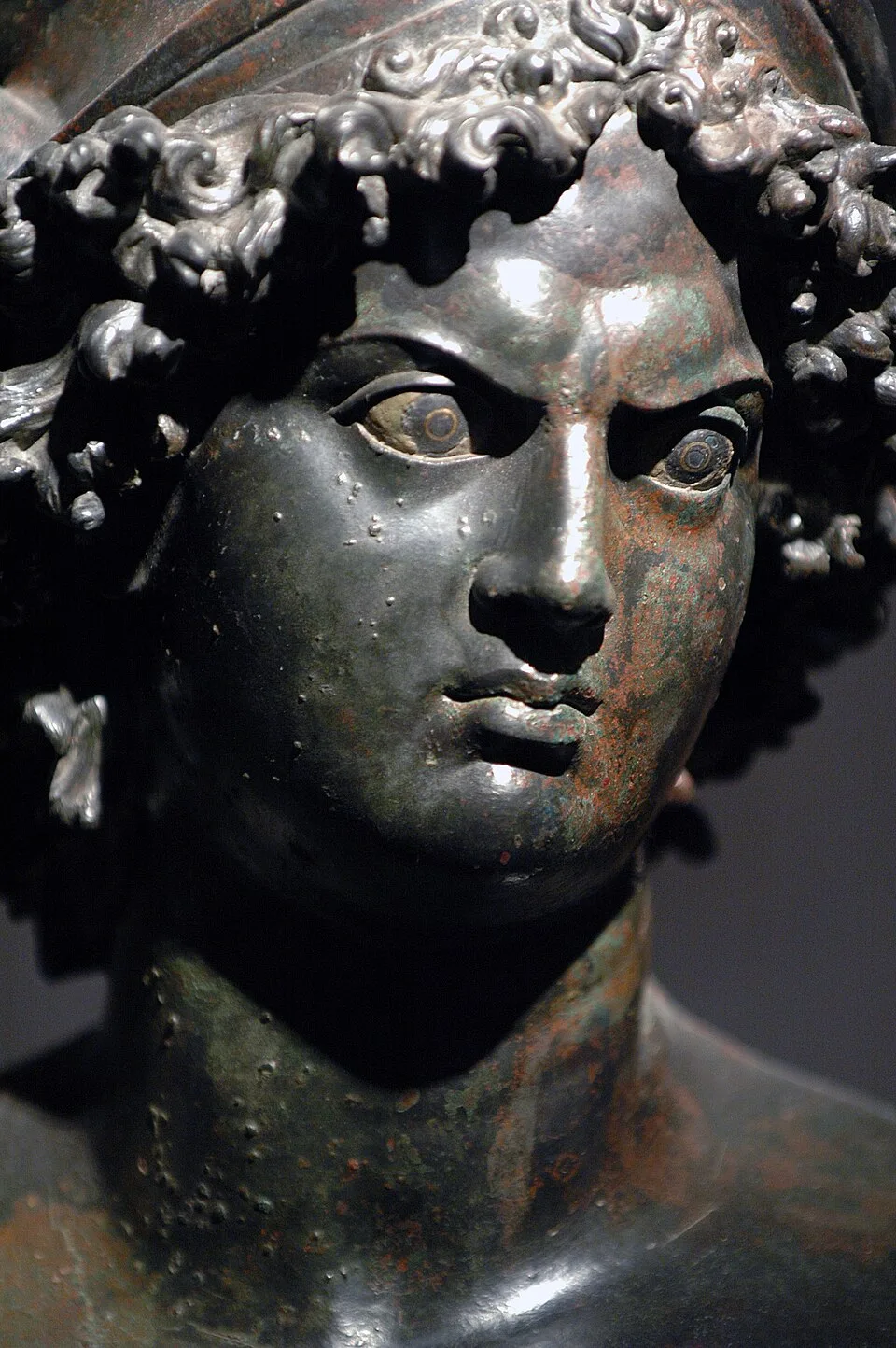
Gaziantep Zeugma Museum Mars statue 4076
Gaziantep Zeugma Museum Mars statue 4076 | Dosseman (CC BY-SA 4.0)

중요성

Zeugma matters as a critical archaeological lens into the mechanics and culture of a Roman frontier. As a major crossing point on the Euphrates, its architecture and urban planning reveal the strategic and economic importance of this eastern border. The site provides unparalleled evidence of daily life in a bustling military and trade hub, showcasing the fusion of Greco-Roman and Eastern traditions at the empire's edge. Its global significance, however, is cemented by its breathtaking mosaics. These floor artworks, most famously the haunting "Gypsy Girl," represent a pinnacle of Roman domestic art and craftsmanship. The urgent, international rescue operation to save them from the rising dam waters transformed Zeugma into a powerful symbol of cultural heritage preservation, highlighting the constant tension between development and the safeguarding of humanity's shared past.

증거와 해석

확립된 사실과 논쟁 중인 사항을 구분합니다.

잘 확립된 사실

3
  • The city served as a legionary base (Legio IV Scythica) and a major customs station, confirmed by inscriptions, military artifacts, and the scale of its infrastructure.
  • Extensive, high-quality Roman-era floor mosaics were present in elite houses, confirmed by physical rescue and preservation of hundreds of mosaic panels.
  • The city's primary economic role as a customs station (portorium) for goods crossing the Euphrates is confirmed by numerous Latin and Greek inscriptions, including a tariff list detailing taxes on commodities.

학술적 추론

2
  • The city's peak prosperity in the 2nd-3rd centuries CE is inferred from the architectural grandeur and artistic quality of the uncovered residential districts.
  • The presence of a significant Jewish community in late Roman Zeugma is inferred from the discovery of a 4th-century CE synagogue floor mosaic depicting biblical scenes, such as the sacrifice of Isaac.

논쟁 중인 해석

1
  • The exact identity and meaning of the famous 'Gypsy Girl' mosaic portrait (whether a maenad, goddess, or genre figure) remains debated among scholars.

발견과 발굴

1987

Initial Gaziantep Museum Surveys

지휘 Gaziantep Museum (Rifat Ergeç)

The Gaziantep Museum, under director Rifat Ergeç, conducted the first systematic surface surveys and limited soundings at Zeugma, identifying the scale of the site prior to major rescue work.

1992

Rescue Excavations Begin

지휘 Gaziantep Museum and international teams

Large-scale emergency excavations launched ahead of the Birecik Dam project, focusing on uncovering and removing mosaics and artifacts from the flood zone.

2000

Final Rescue Phase

지휘 Zeugma Archaeological Project (led by Prof. Kutalmış Görkay from 2005)

Intensive final salvage operations as waters rose, leading to the dramatic rescue of numerous floor mosaics, including the 'Gypsy Girl' (Maenad).

2005

Systematic Long-term Excavations

지휘 University of Ankara and Gaziantep Museum

Ongoing scientific excavations on the unsubmerged upper terraces of the city, revealing residential quarters, public buildings, and further mosaics.

커뮤니티 사진

당신의 경험을 공유하세요

이 유적지를 방문하셨나요? 다른 탐험가들을 위해 사진을 업로드해 보세요.

관련 이야기

이 페이지 인용 방법

Atlas Anatolia. (300). Zeugma. Atlas Anatolia. https://atlasanatolia.com/ko/site/zeugma

콘텐츠는 CC BY-SA 4.0 라이선스에 따라 제공됩니다 — 재사용 시 출처 표시가 필요합니다.

그래프

관련 유적지와 스토리로의 연결.

World History Encyclopedia에서 전체 기사 읽기
World History Encyclopedia · CC BY-NC-SA

출처

자주 묻는 질문

Zeugma은(는) 어디에 위치해 있나요?

Zeugma은(는) Gaziantep, Southeastern Anatolia, Türkiye에 위치해 있습니다.

Zeugma의 연대는 언제인가요?

Zeugma의 연대는 대략 300 기원전 – 700 서기로 거슬러 올라갑니다.

Zeugma과(와) 관련된 고대 문명은 무엇인가요?

Zeugma은(는) Greek, Roman, Byzantine 문명과 관련이 있습니다.

Zeugma이(가) 중요한 이유는 무엇인가요?

Zeugma matters as a critical archaeological lens into the mechanics and culture of a Roman frontier.

Zeugma은(는) 유네스코 세계유산인가요?

Zeugma은(는) 현재 유네스코 세계유산 목록에 등재되어 있지 않습니다.