
콘텐츠로 건너뛰기
Atlas Anatolia
디그
뉴스술라웨시 빙하기 치아에서 빈랑 사용 25,000년 전까지 소급카스타모누 폼페이오폴리스 바실리카에서 로마 모자이크와 에로스 두상 발견
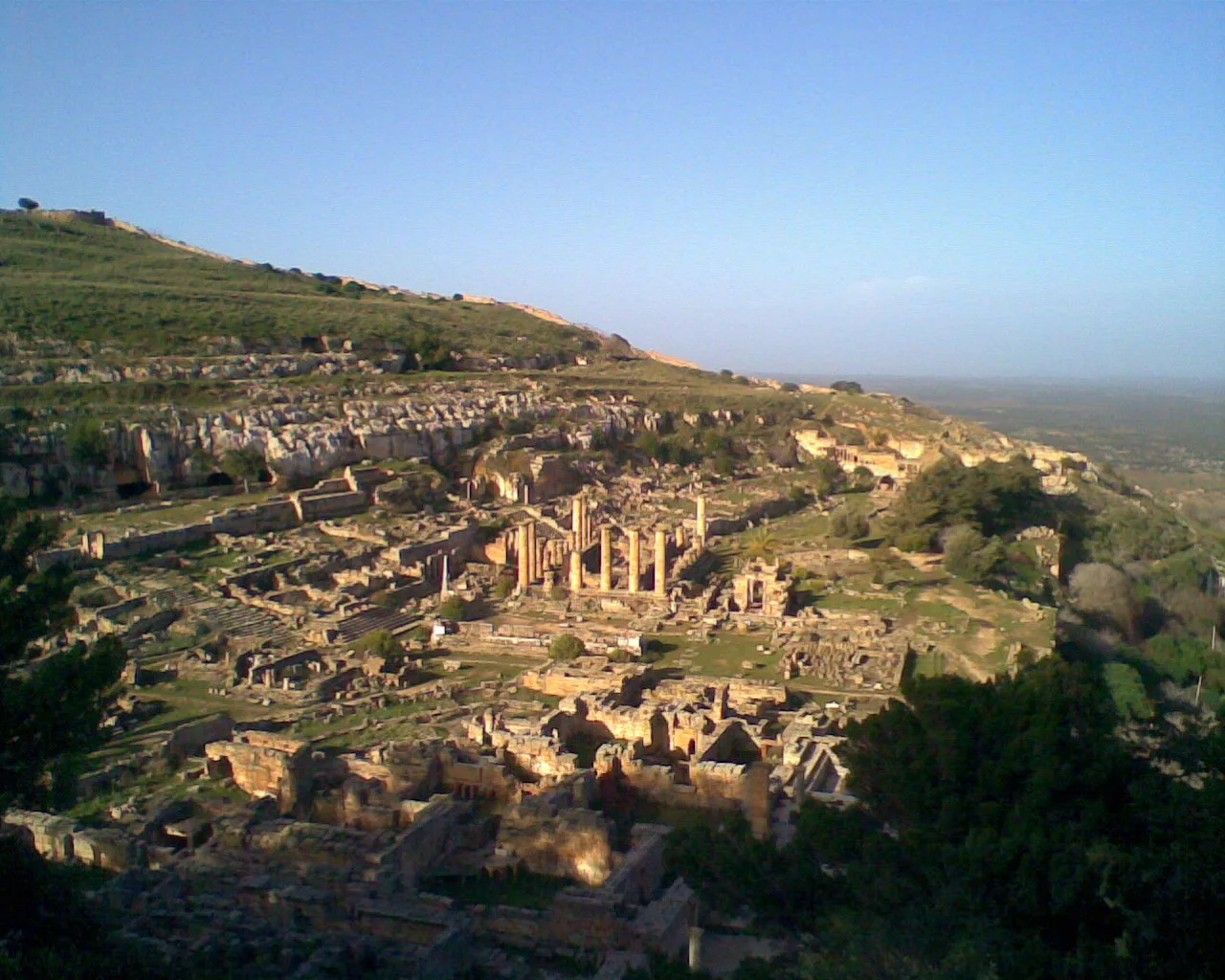
Ruins of the Greek-Roman city of Cyrene on the Libyan plateau

Wikimedia Commons

Country Record

Longest Continuously Occupied Site in Libya

도시유네스코

Cyrene

Seyfi Cem Baskin

Κυρήνη631 기원전 – 643 서기

A great Greek colony on the Libyan coast of Cyrenaica, founded in the 7th century BCE and later absorbed into the Ptolemaic and Roman worlds. Cyrene was celebrated in antiquity for its philosophers, athletes, and the silphium trade — and its ruins preserve one of the most extensive Greek-Roman urban landscapes in North Africa, crowned by the Temple of Apollo and a vast necropolis.

21
관심 64

위치

Jabal al Akhdar · Cyrenaica · 리비아

32.82°N · 21.86°E · 아프리카

Founded

c. 631 BCE by Greek colonists from Thera

Famous export

Silphium — medicinal plant, depicted on coins

Notable figure

Callimachus, poet and scholar of Alexandria

UNESCO

World Heritage Site 1982

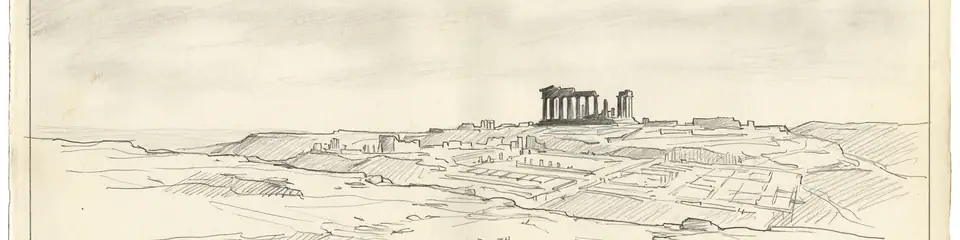
Graphite pencil sketch banner of Cyrene

“Cyrene anchors the Greek colonial presence in North Africa and demonstrates how Mediterranean urban culture took root far from the Aegean, producing independent intellectual and economic traditions that rivalled mainland Greece.”

위치

개요

Cyrene stands on the fertile Jebel Akhdar plateau above the Mediterranean in modern eastern Libya, roughly 200 kilometres east of Benghazi. According to tradition recorded by Herodotus and Pindar, the city was founded around 631 BCE by settlers from the island of Thera (Santorini), led by Aristotle's ancestor Battus — making it one of the earliest and most successful Greek colonial foundations in North Africa.

The city flourished as the capital of Cyrenaica, exporting grain, horses, and above all silphium, a now-extinct medicinal plant so valuable that it appeared on Cyrenean coinage. Cyrene produced notable philosophers including Aristippus, founder of the Cyrenaic school, and the poet Callimachus, librarian at Alexandria. After passing through Ptolemaic and then Roman control, it remained a major provincial centre until earthquakes and Arab conquest diminished its importance.
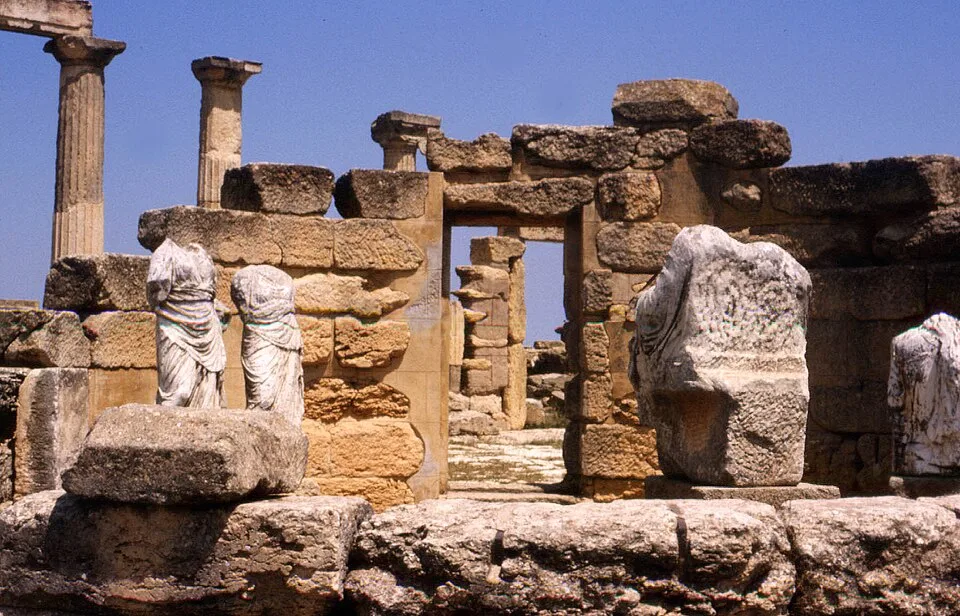
Cyrene Apollo temple
Cyrene Apollo temple | Koperczak (talk) 01:32, 29 March 2009 (UTC) (Public domain)
"Cyrene, a city of Libya, lies on the sea-coast; it is the fairest of all cities in Libya, and is built on a hill with a spring of good water flowing from the middle of it."
— Herodotus, Histories IV.158, on Cyrene in Cyrenaica (c. 430 BCE)

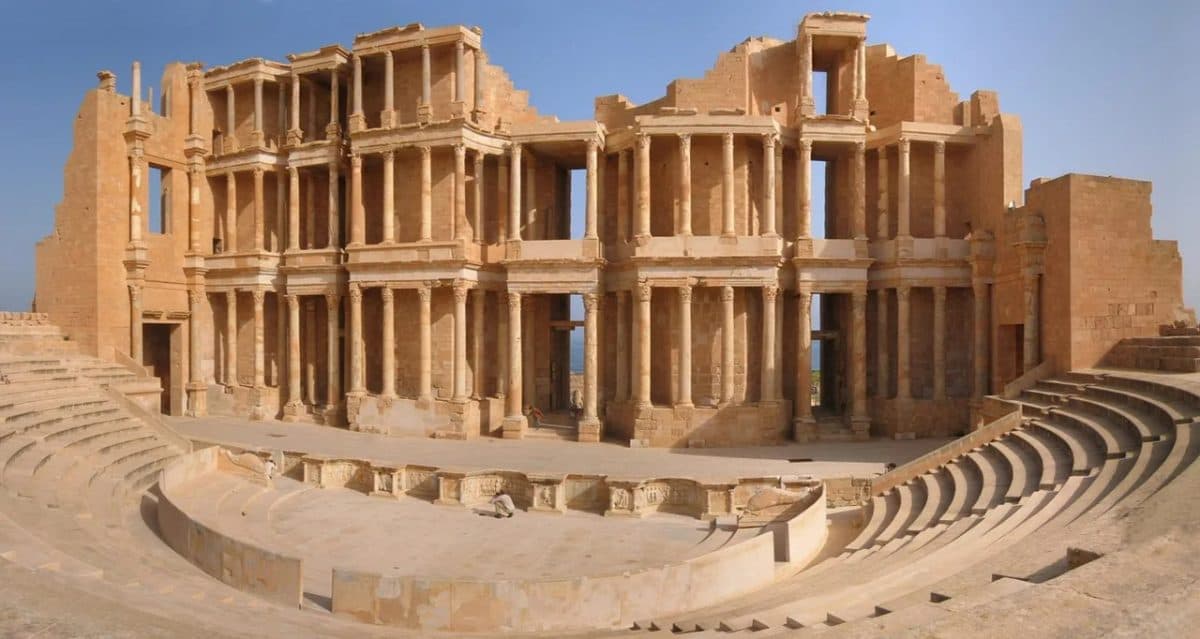
Archaeological remains spread across a wide area include the Sanctuary of Apollo (with a temple rebuilt under Roman emperors), the agora, the enormous necropolis with monumental tombs cut into the hillside, the Caesareum, baths, and a theatre. Excavations began in the 19th century and continue intermittently; many finds are housed in the Cyrene Museum at Shahhat.
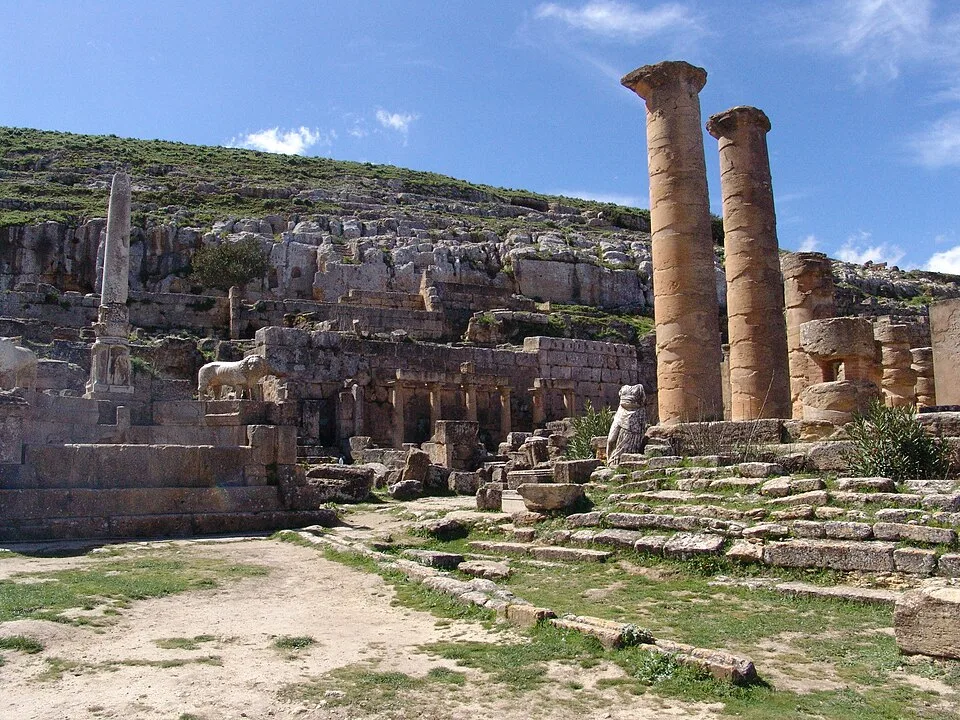
Temple of Apollo, Cyrene (50144963856)
Temple of Apollo, Cyrene (50144963856) | Libyan Studies (CC BY-SA 2.0)

Cyrene forms part of the UNESCO World Heritage Site "Archaeological Site of Cyrene" (inscribed 1982, extended as part of the Cyrene-Ptolemais-Apollonia group).
중요성

Cyrene anchors the Greek colonial presence in North Africa and demonstrates how Mediterranean urban culture took root far from the Aegean, producing independent intellectual and economic traditions that rivalled mainland Greece. Its silphium trade, philosophical school, and athletic fame (Cyreneans dominated Olympic victor lists) make it essential for understanding the interconnected ancient Mediterranean economy and culture. Together with Apollonia and Ptolemais, Cyrene preserves one of the most complete archaeological landscapes of a Greek-Roman provincial capital on the African coast.

증거와 해석

확립된 사실과 논쟁 중인 사항을 구분합니다.

잘 확립된 사실

2
  • Greek colonisation is attested in literary tradition and corroborated by archaeological remains of Archaic through Roman date.
  • The Sanctuary of Apollo and extensive necropolis are among the best-preserved Greek monumental complexes in North Africa.

학술적 추론

1
  • Silphium trade likely formed a major component of Cyrene's wealth, though the plant is now extinct and direct economic quantification is impossible.

커뮤니티 사진

당신의 경험을 공유하세요

이 유적지를 방문하셨나요? 다른 탐험가들을 위해 사진을 업로드해 보세요.

관련 이야기

이 페이지 인용 방법

Atlas Anatolia. (631). Cyrene. Atlas Anatolia. https://atlasanatolia.com/ko/site/cyrene

콘텐츠는 CC BY-SA 4.0 라이선스에 따라 제공됩니다 — 재사용 시 출처 표시가 필요합니다.

그래프

관련 유적지와 스토리로의 연결.

출처

  • Cyrene and Apollonia: An Historical Guide — Goodchild, R. G. (1959)
  • UNESCO — Archaeological Site of Cyrene링크

자주 묻는 질문

Cyrene은(는) 어디에 위치해 있나요?

Cyrene은(는) Jabal al Akhdar, Cyrenaica, Libya에 위치해 있습니다.

Cyrene의 연대는 언제인가요?

Cyrene의 연대는 대략 631 기원전 – 643 서기로 거슬러 올라갑니다.

Cyrene과(와) 관련된 고대 문명은 무엇인가요?

Cyrene은(는) Greek, Roman 문명과 관련이 있습니다.

Cyrene이(가) 중요한 이유는 무엇인가요?

Cyrene anchors the Greek colonial presence in North Africa and demonstrates how Mediterranean urban culture took root far from the Aegean, producing independent intellectual and economic traditions that rivalled mainland Greece.

Cyrene은(는) 유네스코 세계유산인가요?

예 — Cyrene은(는) 유네스코 세계유산으로 등재되어 있습니다.