
콘텐츠로 건너뛰기
Atlas Anatolia
디그
뉴스술라웨시 빙하기 치아에서 빈랑 사용 25,000년 전까지 소급카스타모누 폼페이오폴리스 바실리카에서 로마 모자이크와 에로스 두상 발견
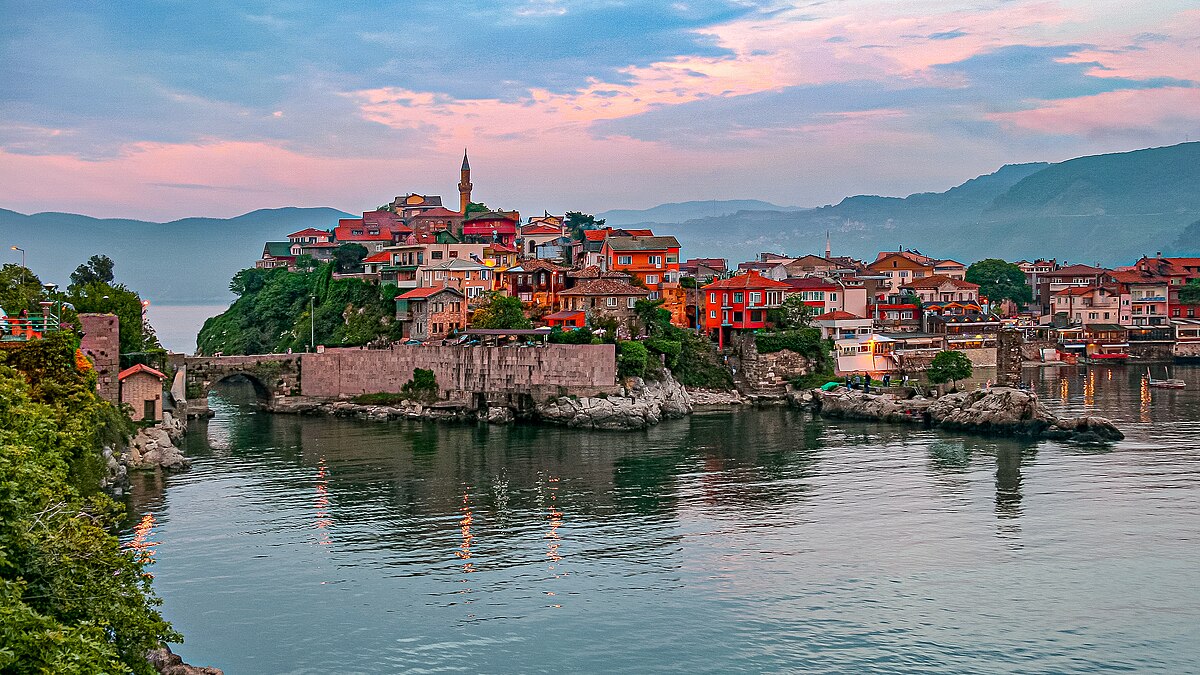
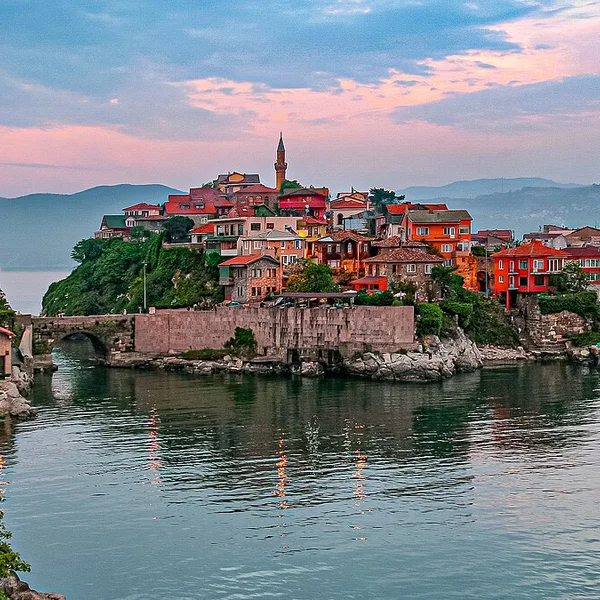
Amasra harbor and fortress on the Black Sea

Wikimedia Commons (CC BY-SA)

도시

Amasra (Sesamus)

Seyfi Cem Baskin

Amasra700 기원전 – 1400 서기

An ancient harbor city built across two islands on the Black Sea coast, where Greek colonists, Roman engineers, Byzantine defenders, and Genoese merchants all left their mark on one of Anatolia's most dramatically sited coastal settlements.

321
관심 50

위치

Bartın · Black Sea · 튀르키예

41.75°N · 32.39°E · 아시아

Geography

Built across two rocky islands (Boztepe and Tavşan Adası) with double harbor

Founded

Greek colony of Sesamus, 7th century BCE by Milesian settlers

Refounded

Queen Amastris merged four towns into one city, ca. 300 BCE

Genoese

Purchased 1261 CE, became key Black Sea trading post

Castle

Genoese castle on Boztepe with heraldic reliefs and inscriptions

Heritage

Layered walls incorporating Greek, Roman, Byzantine, and Genoese masonry

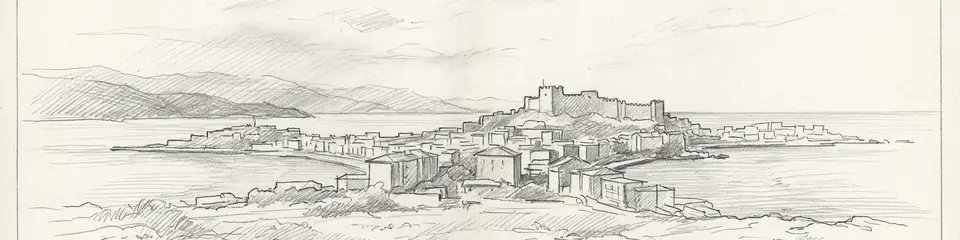
Graphite pencil sketch banner of Amasra (Sesamus)

“Amasra is a masterclass in how geography shapes history.”

위키백과에서

Amasra (ancient Sesamus/Amastris) is an ancient harbor city on two islands on the Black Sea coast, with Greek, Roman, Byzantine, and Genoese layers of fortification and settlement.

위키백과에서 전체 기사 읽기 →

위치

개요

Amasra occupies one of the most striking natural settings of any ancient city in Anatolia. Built across two rocky islands — Boztepe (Büyükada) and Tavşan Adası (Küçükada) — connected to the mainland by narrow isthmuses, the city commands a double harbor that has sheltered ships since at least the 7th century BCE. The dramatic geography that made Amasra virtually impregnable also made it irresistibly beautiful, a quality that draws visitors to this day.

The city was founded as Sesamus, a Greek colony established by Milesian settlers who recognized the defensive potential of its twin-island topography. Under Hellenistic rule, it was refounded as Amastris by Queen Amastris, the niece of the Persian king Darius III and briefly wife of Alexander the Great's successor Lysimachus, who merged four smaller coastal towns into a single polis that quickly became one of the most prosperous cities on the southern Black Sea coast.

"Sesamus is a city of the Paphlagonians, situated on a peninsula."
— Strabo, Geographica (c. 7 BCE – 23 CE)

Roman occupation brought substantial urban development, including harbor improvements, a bathhouse, and the integration of the city into the empire's Black Sea trade and military network. The Roman walls, parts of which still stand, were built atop earlier Greek fortifications and later strengthened by Byzantine engineers who recognized Amasra's strategic importance for controlling the western Black Sea coastline.

The Genoese period left perhaps the most visible architectural legacy. The Genoese purchased the city in 1261 and transformed it into a key trading post in their Black Sea commercial network. The Genoese castle on Boztepe island, with its massive walls, gate inscriptions, and heraldic reliefs, remains the city's most iconic monument. The castle walls incorporate Roman and Byzantine spolia, creating a visible palimpsest of the city's layered history.
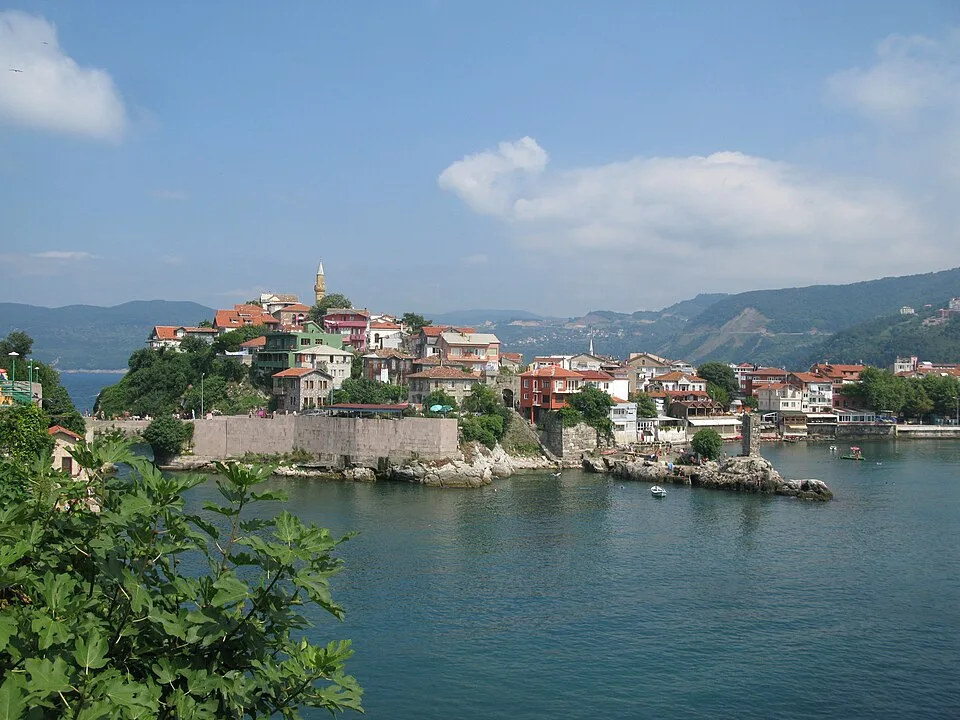
Amasra, Turkey, Castle, view from the island
Amasra, Turkey, Castle, view from the island | Babbsack (CC BY-SA 3.0)

Within the fortified old town, a small Byzantine-era church converted into a mosque, a Roman bathhouse now used as an exhibition space, and sections of defensive walls spanning multiple periods create an intimate open-air museum. The surrounding waters still yield ancient anchors and ceramics, testimony to millennia of maritime activity.

중요성

Amasra is a masterclass in how geography shapes history. Its twin-island setting created a natural fortress that attracted settlement from the Greek colonial period through the medieval era, each civilization building upon the last. The visible layering of Greek, Roman, Byzantine, and Genoese fortifications within a compact area makes the passage of centuries tangible. As a key node in Black Sea maritime trade networks spanning from antiquity through the medieval Genoese commercial empire, Amasra illuminates the economic connections that linked Anatolia to the wider Mediterranean and Eurasian worlds. The city's survival as an inhabited settlement means its ancient fabric continues to evolve, raising important questions about heritage preservation in living communities.

증거와 해석

확립된 사실과 논쟁 중인 사항을 구분합니다.

잘 확립된 사실

3
  • Greek pottery and architectural remains dating to the 7th-6th centuries BCE confirm the early colonial settlement of Sesamus on the Boztepe island.
  • Strabo (Geography 12.3.10) describes Amastris as a well-built city with harbors, founded by Queen Amastris by merging four towns including Sesamus.
  • The Genoese castle preserves datable heraldic reliefs and Latin inscriptions from the 13th-14th centuries, with clear reuse of earlier Roman and Byzantine masonry.

학술적 추론

2
  • The double-harbor configuration and defensive island topography suggest Amasra served as a naval station under both Roman and Byzantine administrations.
  • Underwater finds of amphoras from diverse Mediterranean origins indicate Amasra participated in long-distance maritime trade networks spanning the Roman and medieval periods.

논쟁 중인 해석

1
  • The exact extent and layout of the Hellenistic city as refounded by Queen Amastris remains unclear, with debate over which modern areas correspond to the four merged settlements.

발견과 발굴

1955

First archaeological surveys

Initial documentation of the city walls, Roman bath, and Genoese castle established the multi-period character of the site.

2000–2006

Castle restoration project

Conservation work on the Genoese castle documented heraldic reliefs, gate inscriptions, and the incorporation of Roman and Byzantine spolia in the walls.

2010

Underwater surveys

Marine archaeological surveys in the harbors identified ancient anchors, ceramics, and ship remains from multiple periods, confirming the port's continuous maritime use.

2015–2020

Urban archaeology program

Rescue excavations during infrastructure work in the old town documented Roman and Byzantine occupation layers beneath the modern settlement.

2022

Roman bath exhibition project

The Roman bathhouse was cleared, conserved, and converted into a small museum and exhibition space showcasing finds from the city.

커뮤니티 사진

당신의 경험을 공유하세요

이 유적지를 방문하셨나요? 다른 탐험가들을 위해 사진을 업로드해 보세요.

이 페이지 인용 방법

Atlas Anatolia. (700). Amasra (Sesamus). Atlas Anatolia. https://atlasanatolia.com/ko/site/amasra

콘텐츠는 CC BY-SA 4.0 라이선스에 따라 제공됩니다 — 재사용 시 출처 표시가 필요합니다.

출처

  • The Harbors of Amastris: Maritime Archaeology on the Black Sea Coast — Owen Doonan (2009)
  • The Black Sea: A History — Charles King (2004)
  • Wikipedia — Amasra링크

자주 묻는 질문

Amasra (Sesamus)은(는) 어디에 위치해 있나요?

Amasra (Sesamus)은(는) Bartın, Black Sea, Türkiye에 위치해 있습니다.

Amasra (Sesamus)의 연대는 언제인가요?

Amasra (Sesamus)의 연대는 대략 700 기원전 – 1400 서기로 거슬러 올라갑니다.

Amasra (Sesamus)과(와) 관련된 고대 문명은 무엇인가요?

Amasra (Sesamus)은(는) Greek, Roman, Byzantine 문명과 관련이 있습니다.

Amasra (Sesamus)이(가) 중요한 이유는 무엇인가요?

Amasra is a masterclass in how geography shapes history.

Amasra (Sesamus)은(는) 유네스코 세계유산인가요?

Amasra (Sesamus)은(는) 현재 유네스코 세계유산 목록에 등재되어 있지 않습니다.