
콘텐츠로 건너뛰기
Atlas Anatolia
디그
뉴스술라웨시 빙하기 치아에서 빈랑 사용 25,000년 전까지 소급카스타모누 폼페이오폴리스 바실리카에서 로마 모자이크와 에로스 두상 발견
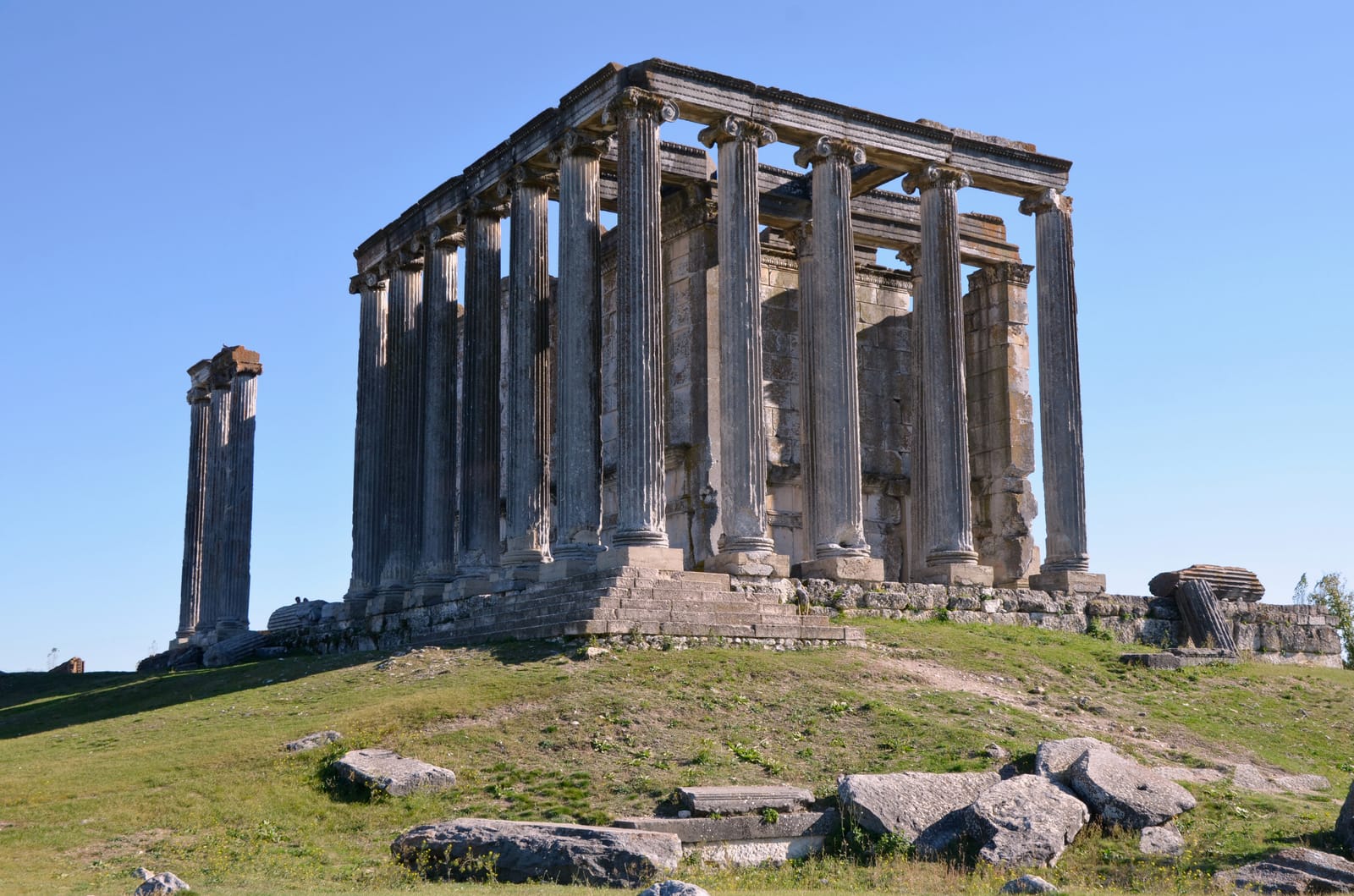
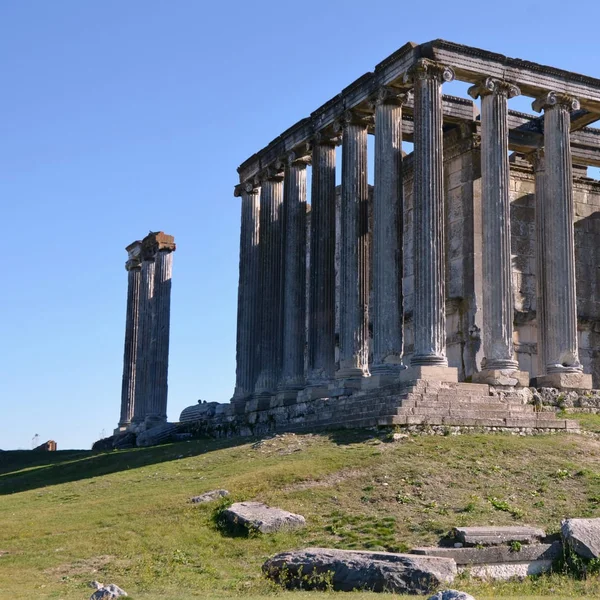
The Temple of Zeus at Aizanoi, the best-preserved in Anatolia

Wikimedia Commons (CC BY-SA)

도시

Aizanoi

Seyfi Cem Baskin

Aizanoi (Cavdarhisar)3000 기원전 – 1400 서기

Home to the best-preserved Temple of Zeus in all of Anatolia and the world's first known stock exchange inscription, this remote Phrygian city also boasts a unique combined Roman stadium-theatre — the only one of its kind.

411
관심 47

위치

Kutahya · Aegean · 튀르키예

39.19°N · 29.65°E · 아시아

UNESCO Status

World Heritage Site (2023)

Temple of Zeus

Best-preserved in Anatolia (Hadrianic)

Stadium-Theatre

Only combined example in Roman world

Price Edict

Diocletian-era economic regulation inscription

Early Settlement

Evidence of habitation from the Early Bronze Age (c. 3000 BCE), with the site later becoming a major Phrygian cult center.

Macellum (Round Building)

A well-preserved, circular Roman market building (2nd century CE) whose walls bear the famous Diocletian Price Edict.

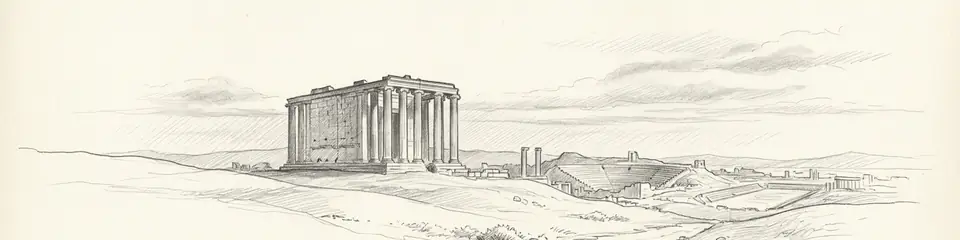
Graphite pencil sketch banner of Aizanoi

“Aizanoi's Temple of Zeus is the finest surviving example of a Roman temple in Anatolia — its preservation rivals the Maison Carree in Nimes and the Temple of Augustus in Pula.”

위키백과에서

Aizanoi is an ancient Greco-Roman city in western Turkey, notable for the best-preserved Temple of Zeus in Anatolia and a unique combined stadium-theatre.

위키백과에서 전체 기사 읽기 →

위치

개요

Aizanoi is one of Anatolia's most underrated archaeological treasures. Located in the remote highlands of Kutahya Province, far from the tourist trail, this Roman city preserves monuments of exceptional quality — most notably the Temple of Zeus, the best-preserved Roman temple in all of Anatolia.

The Temple of Zeus, built during the reign of Hadrian (117-138 CE), stands nearly complete with its columns, cella walls, and entablature intact. Uniquely, the temple contains a basement level that served as a sanctuary to the goddess Cybele — a rare double-deity temple combining Olympian and Anatolian religious traditions. Marble sculpture fragments from the temple pediment depicting Zeus and Cybele mythology are preserved in the site museum.

"Aizanoi is a small city, but it has a temple of Zeus which is the most beautiful of all the temples in Asia."
— Pausanias, Description of Greece (c. 150-175 CE)

Aizanoi's stadium-theatre is architecturally unique in the Roman world. The two structures share a common wall, allowing the elliptical stadium and the semi-circular theatre to function as a single entertainment complex. The stadium could seat approximately 13,500 spectators.

Perhaps Aizanoi's most unexpected contribution to history is a Roman-era price edict inscribed on the walls of the macellum (market hall). This Diocletian-era inscription lists regulated prices for commodities and services, providing one of the most detailed records of Roman economic regulation ever found. Some scholars consider this the world's earliest known stock exchange pricing document.
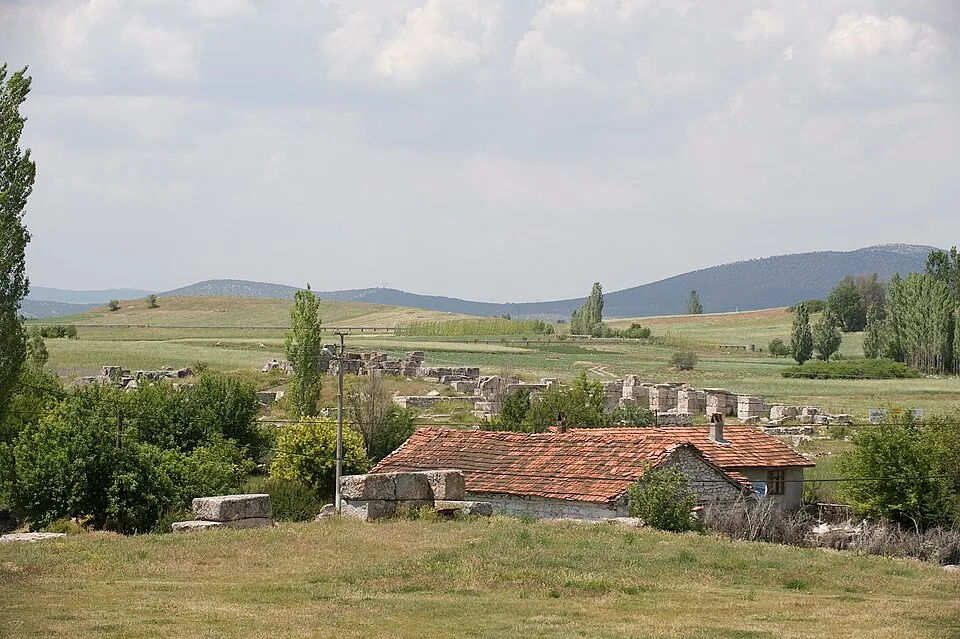
Aizanoi Village 2219
Aizanoi Village 2219 | Dosseman (CC BY-SA 4.0)

The city's infrastructure reveals its prosperity. A 400-meter-long colonnaded street, the stoa, formed a major commercial and social artery. Five Roman bridges, one exceptionally preserved, crossed the Penkalas (Kocaçay) River, connecting the city's districts and facilitating regional trade. The macellum (market building), beyond its famous price edict, was a circular, domed structure showcasing sophisticated engineering.

Daily life in Aizanoi was supported by extensive agricultural lands, evidenced by numerous rural villas and presses. Its location on trade routes allowed it to export grain, wool, and wine. The city minted its own bronze coins from the 2nd century BCE until the reign of Emperor Gallienus (mid-3rd century CE), depicting local cult figures and emperors.

Aizanoi declined after the 7th century CE, likely due to Arab raids and a major earthquake. It was later transformed into a fortified settlement, with the stadium and theatre used as a citadel. The site was largely abandoned by the 15th century, its ruins later incorporated into the Ottoman village of Çavdarhisar.

중요성

Aizanoi's Temple of Zeus is the finest surviving example of a Roman temple in Anatolia — its preservation rivals the Maison Carree in Nimes and the Temple of Augustus in Pula. The unique Cybele basement sanctuary beneath it illustrates the syncretic religious practices that characterized Roman Anatolia, blending imported Greek religion with deep-rooted Anatolian goddess traditions. The price edict inscriptions offer an unparalleled window into Roman economic life. The combined stadium-theatre, found nowhere else in the empire, demonstrates architectural innovation in provincial settings. Aizanoi was inscribed on the UNESCO World Heritage List in 2023.

증거와 해석

확립된 사실과 논쟁 중인 사항을 구분합니다.

잘 확립된 사실

4
  • The Temple of Zeus was constructed during the reign of Hadrian (117-138 CE) based on dedicatory inscriptions.
  • The basement level of the Temple of Zeus served as a sanctuary to Cybele, as confirmed by votive inscriptions and cult objects found in situ.
  • Diocletian's price edict is inscribed on the walls of the macellum, listing regulated prices for goods and services across the Roman Empire.
  • The stadium-theatre shares a common wall, creating a unique combined entertainment complex not found elsewhere in the Roman world.

학술적 추론

1
  • The double-deity temple arrangement suggests a deliberate Roman policy of accommodating local Anatolian religious traditions within the framework of Olympian worship.

논쟁 중인 해석

1
  • Whether the macellum price inscription represents an actual local market price list or a copy of the empire-wide Diocletian edict is debated among economic historians.

발견과 발굴

1824

First European documentation

European travelers documented the remarkably intact Temple of Zeus.

1926

German archaeological survey

지휘 Martin Schede

Martin Schede and Daniel Krencker published detailed architectural plans of the temple.

1970

German Archaeological Institute excavations

지휘 Rudolf Naumann

Rudolf Naumann of DAI began systematic excavations revealing the stadium-theatre complex and macellum.

2011–2020

Ongoing Turkish-German excavations

Continued work on the agora, bridge, and surrounding urban fabric under joint Turkish-German direction.

2023

UNESCO inscription

Aizanoi inscribed as a UNESCO World Heritage Site.

커뮤니티 사진

당신의 경험을 공유하세요

이 유적지를 방문하셨나요? 다른 탐험가들을 위해 사진을 업로드해 보세요.

이 페이지 인용 방법

Atlas Anatolia. (3000). Aizanoi. Atlas Anatolia. https://atlasanatolia.com/ko/site/aizanoi

콘텐츠는 CC BY-SA 4.0 라이선스에 따라 제공됩니다 — 재사용 시 출처 표시가 필요합니다.

World History Encyclopedia에서 전체 기사 읽기
World History Encyclopedia · CC BY-NC-SA

출처

  • Der Tempel von Aizanoi — Rudolf Naumann (1979)
  • UNESCO World Heritage — Aizanoi링크
  • Roman Architecture in the Greek World — Sarah Macready & F.H. Thompson (1987)

자주 묻는 질문

Aizanoi은(는) 어디에 위치해 있나요?

Aizanoi은(는) Kutahya, Aegean, Türkiye에 위치해 있습니다.

Aizanoi의 연대는 언제인가요?

Aizanoi의 연대는 대략 3000 기원전 – 1400 서기로 거슬러 올라갑니다.

Aizanoi과(와) 관련된 고대 문명은 무엇인가요?

Aizanoi은(는) Phrygian, Greek, Roman, Byzantine 문명과 관련이 있습니다.

Aizanoi이(가) 중요한 이유는 무엇인가요?

Aizanoi's Temple of Zeus is the finest surviving example of a Roman temple in Anatolia — its preservation rivals the Maison Carree in Nimes and the Temple of Augustus in Pula.

Aizanoi은(는) 유네스코 세계유산인가요?

Aizanoi은(는) 현재 유네스코 세계유산 목록에 등재되어 있지 않습니다.