
Vai al contenuto
Atlas Anatolia
NotizieIce Age teeth in Sulawesi push betel-nut use back as far as 25,000 yearsRoman mosaic and Eros head uncovered in the basilica at Pompeiopolis, Kastamonu
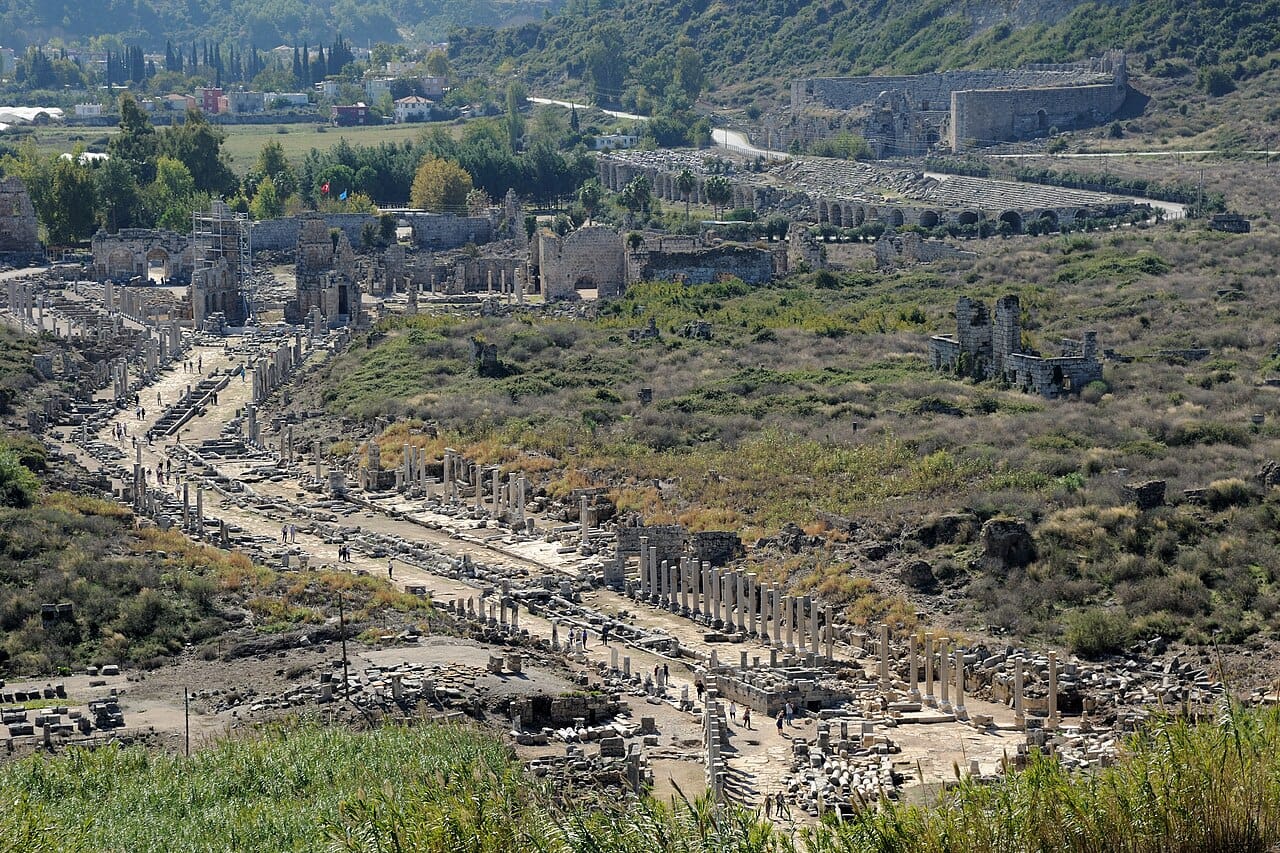
Perge archaeological site

Wikimedia Commons (CC BY-SA)

Città

Perge

Seyfi Cem Baskin

1000 a.C. – 700 d.C.

An ancient Greek city in Pamphylia with one of the finest colonnaded streets in the Roman world. Known for its monumental gates, agora, and stadium seating 12,000.

312
Interesse 58

Posizione

Antalya · Mediterranean · Turchia

36.96°N · 30.85°E · Asia

Date Range

1000 BCE – 700 CE

Province

Antalya

Location

Perge, Antalya Province, Turkey

Historical Period

Ancient Greek (founded ~1000 BCE), later major Roman city

Notable Feature

Colonnaded street (one of the finest in the Roman world)

Capacity

Stadium seated approximately 12,000 spectators

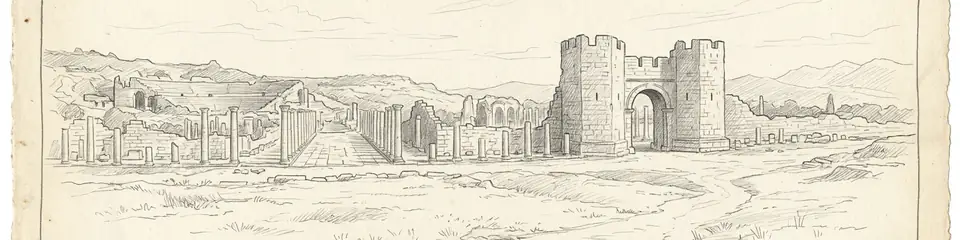
Graphite pencil sketch banner of Perge

Perge matters as a remarkably preserved palimpsest of urban planning, showcasing the evolution of a Greek city under Roman rule.”

Posizione

Panoramica

Perge, situated on a broad plain between the rivers Cestrus and Catarrhactes in ancient Pamphylia, presents a magnificent and sprawling archaeological site that vividly illustrates its evolution from a Hellenistic powerhouse to a prosperous Roman city. Its physical layout is dominated by a long, colonnaded main street, stretching from a beautifully preserved Hellenistic gateway to a grand nymphaeum at its northern end. This central artery, lined with shops and once shaded by marble colonnades, is flanked by parallel side streets and intersects with another major colonnaded street, creating a precise orthogonal grid. The entire urban plan is enclosed by imposing walls, beyond which lie extensive necropoleis and a remarkably intact stadium and theater, the former capable of seating approximately 12,000 spectators for athletic contests.

Historically, Perge was a significant center long before Roman annexation in the 2nd century BCE. Local tradition held it was founded by legendary Greek heroes after the Trojan War, but its historical prominence grew under the Seleucid Empire. It later became a crucial city in the Roman province of Pamphylia, flourishing through maritime trade facilitated by the nearby river Cestrus. The city gained particular importance in early Christianity as a major missionary site for the apostle Paul, as recorded in the Acts of the Apostles. Its wealth and status are reflected in the scale and quality of its public buildings, most constructed during the Imperial Roman period, particularly the 2nd and 3rd centuries CE.

"Perge is a city of Pamphylia, situated between two rivers, the Cestrus and the Catarrhactes."
— Strabo, c. 7 BCE - 23 CE

Key structures at Perge are exceptional for their preservation and artistry. The site is entered through a monumental Roman gate, behind which lies the stunning Hellenistic Gateway, a horseshoe-shaped courtyard flanked by twin towers—a unique defensive and ceremonial complex. The colonnaded street, one of the finest surviving examples from the Roman world, features a central water channel that carried fresh water from the nymphaeum, a lavish two-story fountain building adorned with statues of deities and mythological figures. Other significant remains include a large agora surrounded by shops, a sprawling palaestra (wrestling school) complex, and several elaborate bathhouses decorated with intricate mosaics. The theater, with its finely carved marble stage building depicting scenes from the life of the god Dionysus, and the vast, well-preserved stadium just outside the walls, underscore the city's commitment to public spectacle and civic life.

Culturally, Perge represents a rich synthesis of Greek, Roman, and indigenous Anatolian influences. While its urban plan and artistic programs are thoroughly Roman Imperial, the core of its identity remained deeply rooted in its Hellenistic past, venerating the city's tutelary goddess, Artemis Pergaia, whose temple was a major cult center. The profusion of statues honoring local benefactors, emperors, and gods found throughout the site speaks to a competitive, elite-driven society typical of the eastern Roman Empire. The architectural grandeur, from the practical engineering of its water system to the theatricality of its nymphaea and gates, served not only functional needs but also projected an image of cultivated prosperity and loyalty to Rome, solidifying Perge's status as a leading cultural and political hub in ancient Pamphylia.
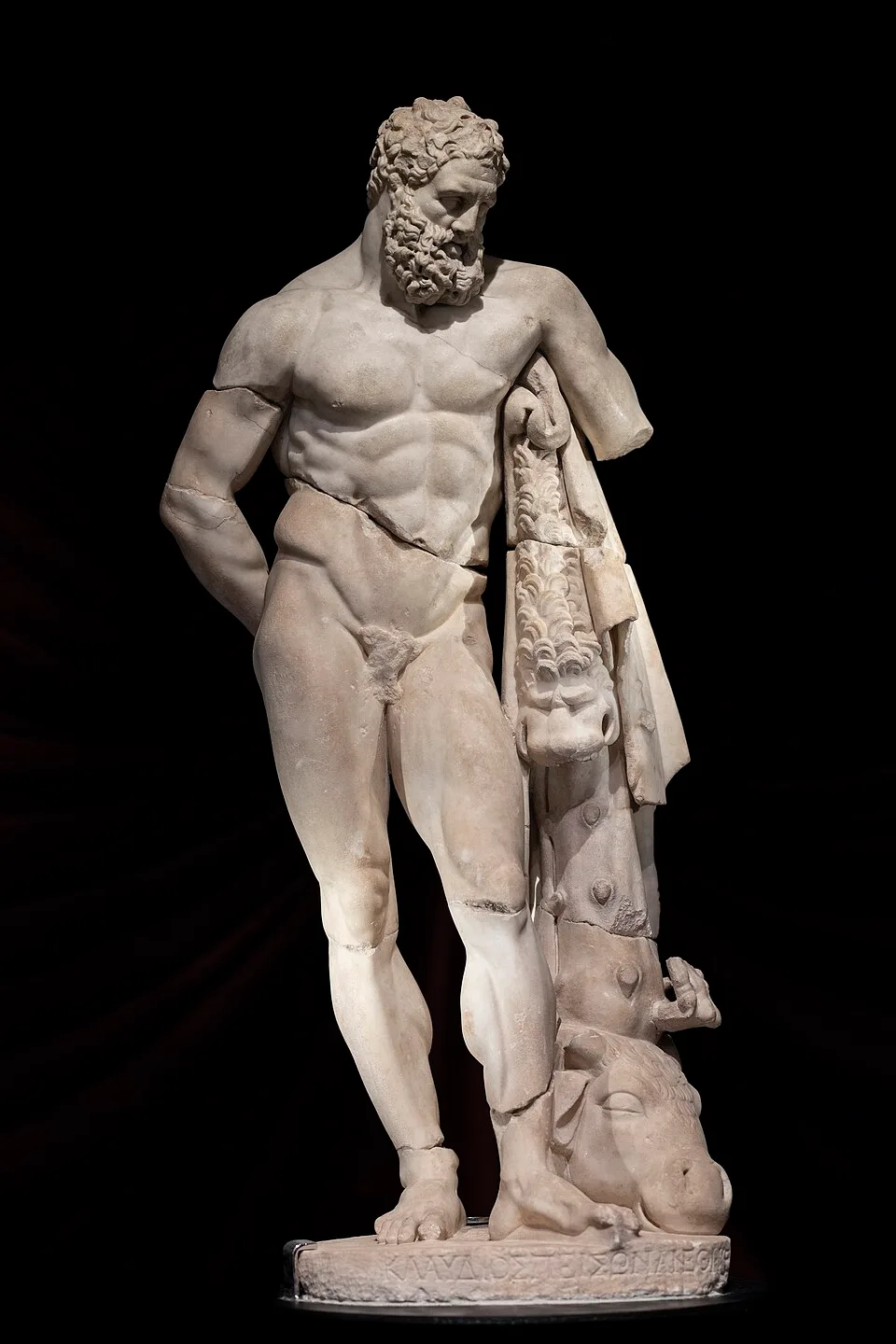
Marble copy of the famous, bronze “Hercules Farnese” 03
Marble copy of the famous, bronze “Hercules Farnese” 03 | Engin_Akyurt (CC0)

Perché è importante

Perge matters as a remarkably preserved palimpsest of urban planning, showcasing the evolution of a Greek city under Roman rule. Its exceptional colonnaded street, monumental gates, and vast stadium provide archaeologists with a complete blueprint of provincial capital grandeur, illustrating the synthesis of Greek architectural ideals with Roman engineering and imperial spectacle. For cultural heritage, Perge represents a direct physical link to the sophisticated civic life of antiquity. The scale of its public infrastructure—from its agora to one of the ancient world's best-preserved stadiums—offers unparalleled insight into the social, economic, and political dynamics of a major Pamphylian city, securing its status as a keystone of Mediterranean historical identity.

Evidenze e interpretazione

Distinguere ciò che è ben consolidato da ciò che rimane dibattuto.

Fatti ben consolidati

3
  • The city was a major Hellenistic and Roman urban center, confirmed by extensive architectural remains including city walls, gates, a theater, stadium, and colonnaded streets.
  • Perge had a sophisticated water system with aqueducts, channels, and monumental fountains, proven by extant infrastructure and hydraulic engineering features.
  • The city's Hellenistic South Gate complex, featuring a horseshoe-shaped courtyard and two monumental round towers, was constructed in the 3rd century BCE, as confirmed by architectural analysis and inscriptions.

Deduzioni accademiche

1
  • The city's founding is traditionally attributed to Greek colonists after the Trojan War (~1000 BCE), based on legend and later historical sources, though direct archaeological evidence for the earliest settlement is limited.

Interpretazioni dibattute

2
  • The extent and nature of pre-Greek (potentially Hittite or local Pamphylian) settlement at the site remains debated, with some scholars interpreting certain architectural elements or artifact styles as indicating earlier occupation.
  • The original cultic function and dedication of the large, circular structure in the city center, often called a 'rotunda' or 'heroon', is debated, with interpretations ranging from a heroon for a city founder to a temple for a deity like Artemis Pergaia.

Scoperta e scavo

1946

Systematic Excavations Begin

Diretto da Arif Müfid Mansel

Large-scale excavations initiated by the Turkish Historical Society and Istanbul University, focusing on the city center, monumental gates, and colonnaded street.

1953

Excavation of the Hellenistic Gate

Diretto da Arif Müfid Mansel

This campaign focused on the monumental South Gate, revealing its horseshoe-shaped courtyard and establishing its Hellenistic date, which redefined understanding of the city's pre-Roman urban plan.

1985

Excavation of the South Baths

Diretto da Jale İnan

Major clearance and restoration of the extensive Roman bath complex, revealing intricate mosaics and marble revetment.

2003

Nymphaeum and Water System Investigations

Diretto da Haluk Abbasoğlu

Detailed study and restoration of the monumental fountain (nymphaeum) and the city's sophisticated aqueduct and water channel network.

Foto della comunità

Condividi la tua esperienza

Hai visitato questo sito? Carica le tue foto per aiutare gli altri a scoprirlo.

Come citare questa pagina

Atlas Anatolia. (1000). Perge. Atlas Anatolia. https://atlasanatolia.com/it/site/perge

Contenuto con licenza CC BY-SA 4.0 — è richiesta l'attribuzione in caso di riutilizzo.

Leggi l'articolo completo su World History Encyclopedia
World History Encyclopedia · CC BY-NC-SA

Fonti

Domande frequenti

Dove si trova Perge?

Perge si trova in Antalya, Mediterranean, Türkiye.

A quando risale Perge?

Perge risale all'incirca al 1000 a.C. – 700 d.C..

Quali civiltà sono associate a Perge?

Perge è associato alla civiltà Greek, Roman, Byzantine.

Perché Perge è importante?

Perge matters as a remarkably preserved palimpsest of urban planning, showcasing the evolution of a Greek city under Roman rule.

Perge è un sito Patrimonio Mondiale dell'UNESCO?

Perge non è attualmente iscritto nella lista del Patrimonio Mondiale dell'UNESCO.