
Vai al contenuto
Atlas Anatolia
NotizieIce Age teeth in Sulawesi push betel-nut use back as far as 25,000 yearsRoman mosaic and Eros head uncovered in the basilica at Pompeiopolis, Kastamonu
Kültepe archaeological site

Wikimedia Commons (CC BY-SA)

Insediamento

Kültepe

Seyfi Cem Baskin

3000 a.C. – 1500 a.C.

Ancient Kanesh — the site of the oldest known Assyrian trading colony (kārum) and the source of the earliest written records found in Anatolia, predating the Hittite Empire.

312
Interesse 52

Posizione

Kayseri · Central Anatolia · Turchia

38.85°N · 35.63°E · Asia

Date Range

3000 BCE – 1500 BCE

Province

Kayseri

Ancient Name

Kanesh (Assyrian: Kārum Kanesh)

Location

Near modern Kayseri, Central Anatolia, Turkey

Primary Period

Early Bronze Age to Middle Bronze Age (c. 20th–18th centuries BCE)

Significance

Oldest known Assyrian trading colony (kārum) in Anatolia, source of the earliest written records (cuneiform tablets) in Anatolia, predating the Hittite Empire.

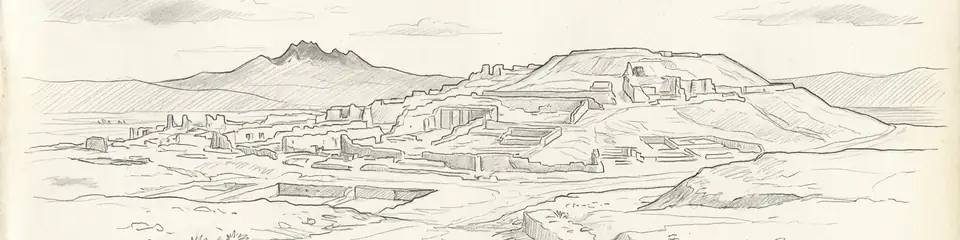
Graphite pencil sketch banner of Kültepe

Kültepe matters as a transformative archaeological site that illuminates the dawn of Anatolia's written history and its integration into the Bronze Age world system.”

Posizione

Panoramica

Located in central Anatolia, near modern Kayseri, the archaeological site of Kültepe presents as a large settlement mound (tepe) approximately 20 meters high, adjacent to a lower, extensive flat area. The mound itself represents the Bronze Age city of Kanesh, a fortified settlement with a palace, temples, and elite residences. The surrounding lower town, known as the kārum, was a distinct commercial district where merchants from the city of Assur in Mesopotamia established a thriving trading colony. This physical separation between the native Anatolian citadel and the foreign merchant quarter is a defining characteristic of the site, reflecting its unique socio-economic structure.

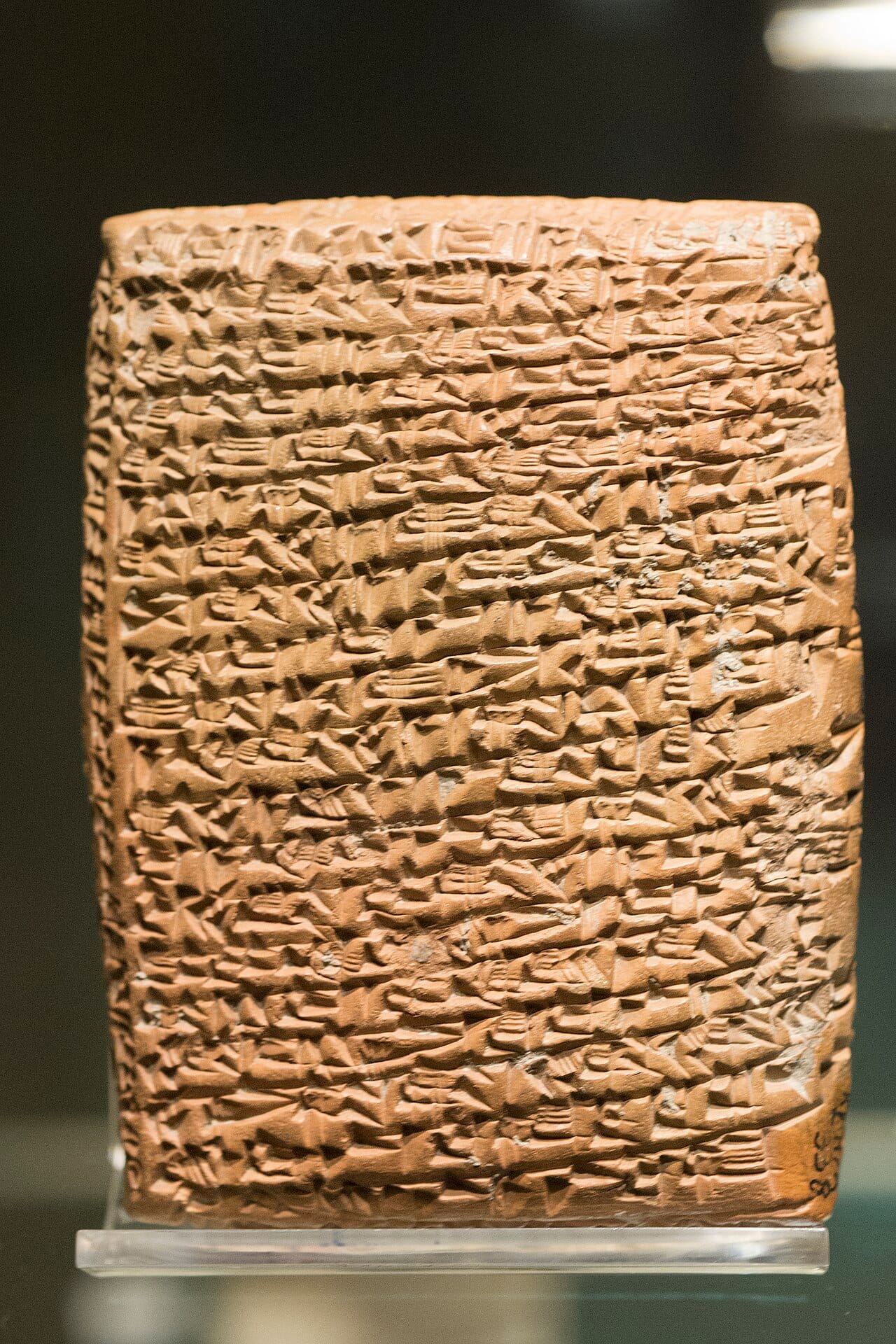
Kültepe-Kanesh holds profound historical significance as the epicenter of the Old Assyrian trade network during the Middle Bronze Age (circa 20th–18th centuries BCE). It is the source of the earliest written records in Anatolia, predating the Hittite Empire by centuries. These records consist of over 23,000 cuneiform clay tablets found in the merchants' houses and archives of the kārum. Written in Old Assyrian, they are predominantly business documents—letters, contracts, and accounts—that meticulously detail the lucrative trade in Anatolian metals, especially copper and silver, exchanged for Mesopotamian tin and luxury textiles. This archive provides an unparalleled, detailed window into the earliest well-documented international trade system, including its legal frameworks, financial instruments, and the daily lives of the merchants and their families.

"From Kanesh, the merchants bring down tin and textiles, and carry back silver and gold."
— Assyrian merchant letter, c. 1900–1800 BCE

Key structures excavated include the fortified palace complex on the citadel mound, which housed the local Anatolian ruler (rubā’um). In the lower kārum, the most revealing finds are the well-appointed private houses of Assyrian and local merchants. These multi-roomed residences typically contained family living quarters, storage rooms for goods, and dedicated archive rooms where tablets were stored in sealed containers. The architecture and artifacts demonstrate a blend of cultures, with Assyrian-style cylinder seals and Mesopotamian pottery found alongside distinctively Anatolian forms.

The cultural context of Kültepe is one of sophisticated symbiosis. The Assyrian merchants lived under the legal and political authority of the king of Kanesh, operating their semi-autonomous kārum through a system of treaties and mutual economic benefit. This interaction facilitated not only immense material wealth but also a profound cultural exchange. The Assyrians introduced writing, the cylinder seal, and advanced metallurgical techniques to Anatolia, while also adopting elements of local customs. This period of intense contact laid crucial administrative, linguistic, and technological foundations that would later be absorbed and built upon by the rising Hittite Kingdom, which would eventually conquer Kanesh itself.
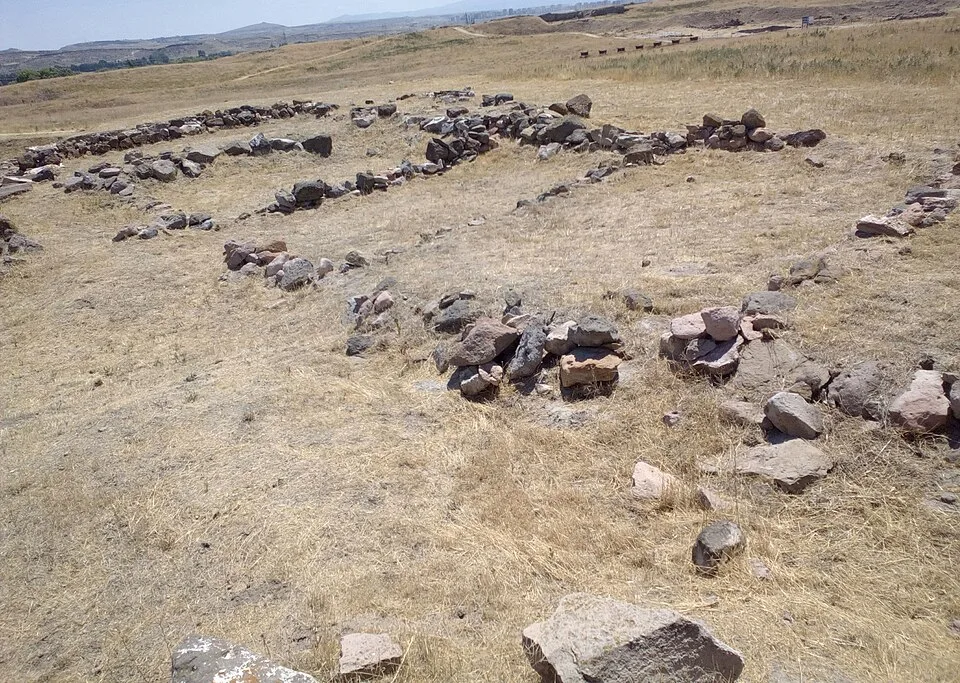
Kanis 03
Kanis 03 | Laszlovszky András (CC BY-SA 4.0)

Perché è importante

Kültepe matters as a transformative archaeological site that illuminates the dawn of Anatolia's written history and its integration into the Bronze Age world system. The discovery of its *kārum*, or Assyrian merchant colony, and the associated cuneiform archives—the oldest in Anatolia—provide an unparalleled window into the complex economic, legal, and social interactions between Mesopotamian Assyrians and local Anatolians centuries before the Hittite Empire. These meticulously detailed business records and private letters offer a proto-globalized snapshot of long-distance trade, revealing sophisticated commercial networks, contractual law, and cultural exchange. For cultural heritage, Kültepe represents a foundational chapter in Anatolian identity, demonstrating that the region's historical significance extends far beyond later empires. The site physically anchors the narrative of early urbanization and international diplomacy, proving Anatolia was not a periphery but a vibrant core of economic innovation. Its archives, by giving voice to individual merchants and families, transform our understanding from abstract prehistory into documented human experience, making it a priceless touchstone for both scholarly research and public connection to a shared past.

Evidenze e interpretazione

Distinguere ciò che è ben consolidato da ciò che rimane dibattuto.

Fatti ben consolidati

3
  • Over 23,000 cuneiform clay tablets (Old Assyrian dialect) detailing commercial transactions, contracts, loans, and private letters, confirming a vast Assyrian merchant network.
  • Archaeological remains of distinct architectural zones: a fortified höyük (citadel/palace) and an extensive lower city (kārum) with houses, workshops, and archives.
  • Archaeological excavations have confirmed the presence of a sophisticated metalworking industry at the kārum, with workshops containing crucibles, molds, and slag, indicating large-scale production of tin-bronze, a key commodity in the Assyrian trade.

Deduzioni accademiche

1
  • The political structure of Kanesh as a local Anatolian kingdom subservient to the Assyrian trading network's economic demands, inferred from treaty texts and administrative records.

Interpretazioni dibattute

2
  • The exact causes of the destruction and abandonment of the kārum level II (c. 1836 BCE), with theories ranging from local rebellion, fire, to conflict with emerging Hittite power.
  • The ethnic and political identity of the indigenous rulers of Kanesh (the 'palace') during the Assyrian Colony Period is debated, with interpretations ranging from a distinct Anatolian 'kingdom' to a city-state governed by a native elite under the economic hegemony of Assur.

Scoperta e scavo

1925

Initial Systematic Excavations

Diretto da Bedřich Hrozný

First major excavations led by Bedřich Hrozný, who identified the site as ancient Kanesh and discovered the first cuneiform tablets linking it to Assyrian trade.

1948

Resumption and Long-term Project

Diretto da Tahsin Özgüç and Nimet Özgüç

Excavations resumed under Turkish leadership, focusing on both the kārum (lower city/merchant quarter) and the höyük (mound/royal citadel). This began a continuous archaeological project.

1995

Discovery of the Waršama Palace Archives

Diretto da Prof. Dr. Tahsin Özgüç

Excavations in the palace on the main mound uncovered a new archive of cuneiform tablets, distinct from the merchant archives of the kārum, providing direct insight into the local Anatolian royal administration.

2006

Ongoing International Investigations

Diretto da Fikri Kulakoğlu (Ankara University)

Current multidisciplinary excavations and research, including extensive work on the lower town, revealing thousands of additional tablets and detailed insights into domestic and commercial architecture.

Foto della comunità

Condividi la tua esperienza

Hai visitato questo sito? Carica le tue foto per aiutare gli altri a scoprirlo.

Come citare questa pagina

Atlas Anatolia. (3000). Kültepe. Atlas Anatolia. https://atlasanatolia.com/it/site/kultepe

Contenuto con licenza CC BY-SA 4.0 — è richiesta l'attribuzione in caso di riutilizzo.

Leggi l'articolo completo su World History Encyclopedia
World History Encyclopedia · CC BY-NC-SA

Fonti

Domande frequenti

Dove si trova Kültepe?

Kültepe si trova in Kayseri, Central Anatolia, Türkiye.

A quando risale Kültepe?

Kültepe risale all'incirca al 3000 a.C. – 1500 a.C..

Quali civiltà sono associate a Kültepe?

Kültepe è associato alla civiltà Assyrian, Hittite.

Perché Kültepe è importante?

Kültepe matters as a transformative archaeological site that illuminates the dawn of Anatolia's written history and its integration into the Bronze Age world system.

Kültepe è un sito Patrimonio Mondiale dell'UNESCO?

Kültepe non è attualmente iscritto nella lista del Patrimonio Mondiale dell'UNESCO.