
Vai al contenuto
Atlas Anatolia
NotizieIce Age teeth in Sulawesi push betel-nut use back as far as 25,000 yearsRoman mosaic and Eros head uncovered in the basilica at Pompeiopolis, Kastamonu
The Roman triumphal arch at Anavarza with the massive castle cliff behind

Wikimedia Commons

Città

Anavarza (Anazarbus)

Seyfi Cem Baskin

Anavarza200 a.C. – 1375 d.C.

A colossal fortified city in the Cilician plain featuring a stunning Roman triumphal arch, massive Armenian-era castle, stadium, and aqueduct — one of the most impressive yet least-visited ruins in Turkey.

321
Interesse 47

Posizione

Adana · Mediterranean · Turchia

37.25°N · 35.90°E · Asia

Triumphal Arch

One of best-preserved Roman arches in Turkey

Provincial Capital

Capital of Roman Cilicia Secunda (4th century)

Armenian Castle

Massive Crusader-era fortress along the ridgeline

Stadium

One of the few surviving Roman stadiums in Cilicia

Notable Finds

A 6th-century CE mosaic depicting the Greek mythological figure of Orpheus charming animals, discovered in the northern necropolis.

Dating Method

The city's main fortification walls have been dated via historical sources and masonry style to the major rebuilding program under the Byzantine emperor Justinian I (c. 527–565 CE).

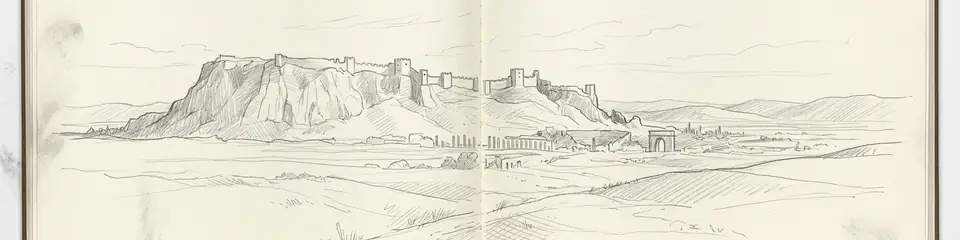
Graphite pencil sketch banner of Anavarza (Anazarbus)

Anavarza's sheer scale and preservation make it one of the most important archaeological sites in southeastern Turkey.”

Da Wikipedia

Anavarza (Anazarbus) was a major Roman and Armenian fortified city in Cilicia, known for its triumphal arch, stadium, aqueduct, and massive medieval castle.

Leggi l'articolo completo su Wikipedia

Posizione

Panoramica

Anavarza — ancient Anazarbus — is one of the most monumental archaeological sites in southeastern Anatolia, spread across a dramatic landscape where a massive rocky outcrop rises from the flat Cilician plain in Adana province. The site encompasses a lower Roman and Byzantine city and an enormous fortified citadel crowning the cliff above, together spanning over two thousand years of history.

The city was elevated by Roman emperor Augustus to the status of "Caesarea," and it eventually became the capital of the Roman province of Cilicia Secunda in the 4th century CE. Its most striking surviving monument is a magnificent Roman triumphal arch, one of the best-preserved in Turkey, which once marked the entrance to the colonnaded main street. The arch's relief carvings celebrate imperial victory and remain remarkably crisp after nearly two millennia.

"Anazarbus is a city of Cilicia, which was formerly called Caesarea by the Romans."
— Strabo, Geographica (c. 20 CE)

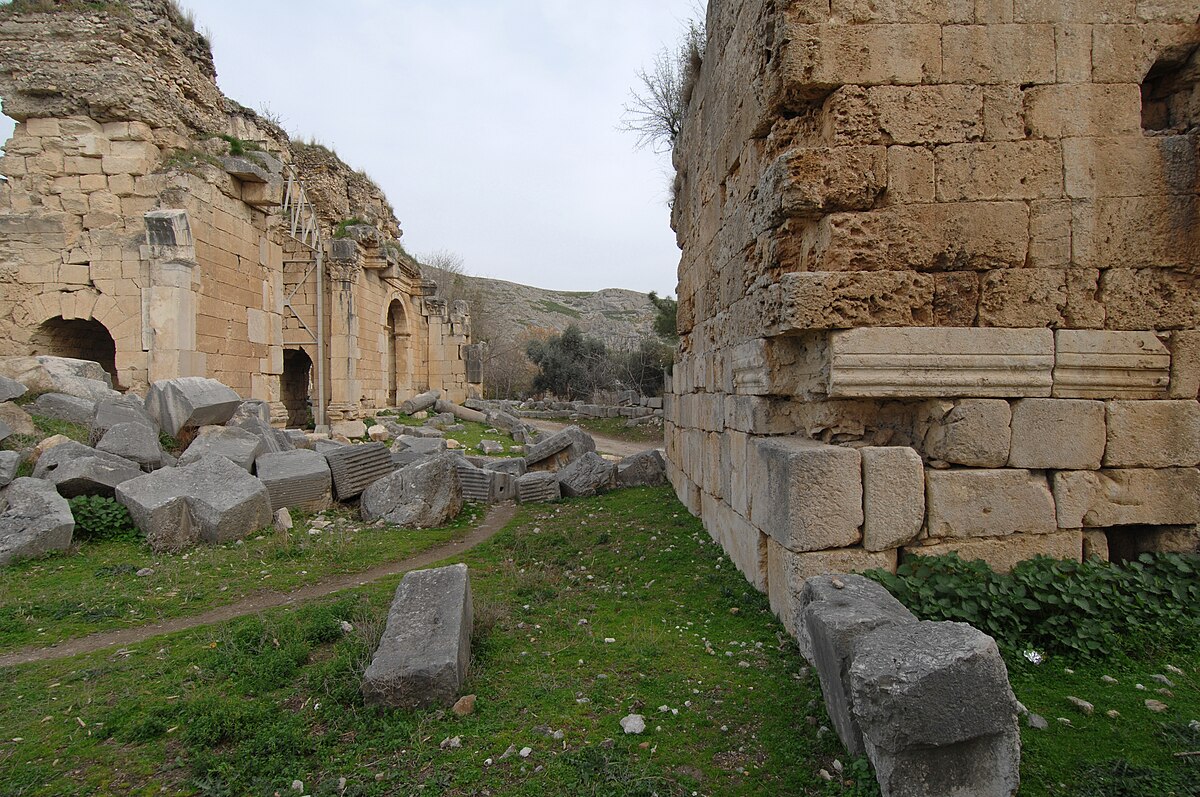
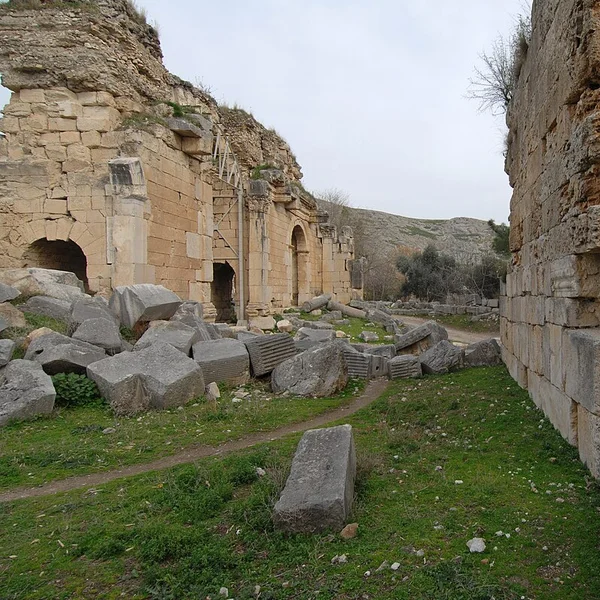
Anavarza also preserves a Roman stadium (one of few surviving in Cilicia), an extensive aqueduct system, a large bath complex, rock-cut tombs, churches, and a vast necropolis. The city's mosaic floors — particularly in the bath complex — rank among the finest in southern Turkey.

The enormous castle that crowns the cliff was expanded by the Armenian Kingdom of Cilicia in the 12th-13th centuries, when Anazarbus served as one of the Armenian kingdom's most important fortresses. The castle walls stretch along the entire ridgeline, creating one of the largest medieval fortifications in the region. Despite its extraordinary scale and preservation, Anavarza receives a fraction of the visitors of comparable sites.
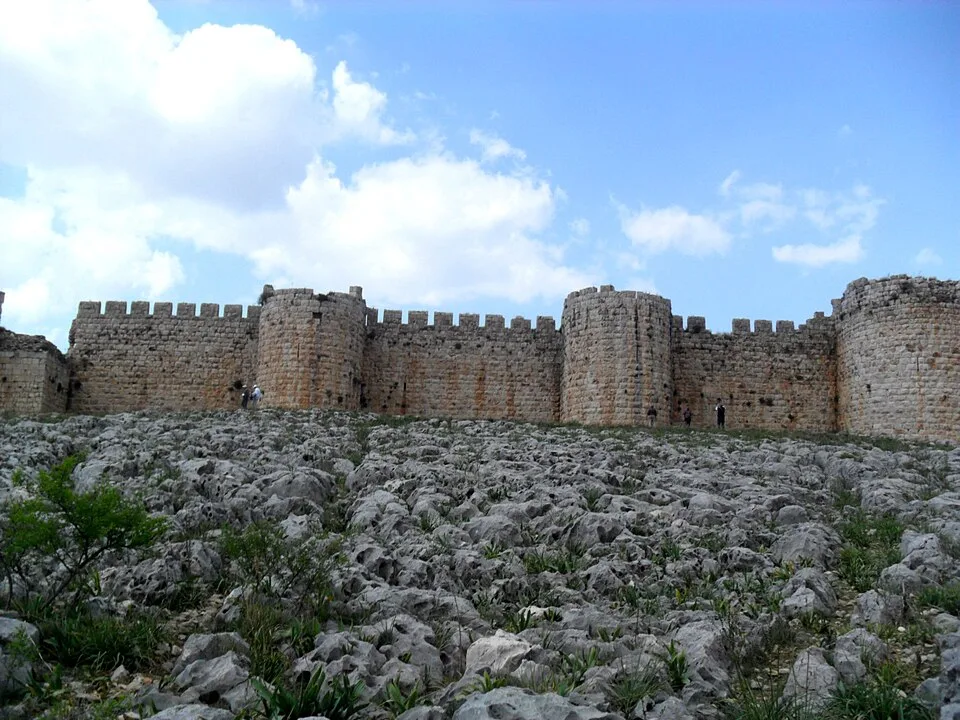
Anavarza Castle
Anavarza Castle | Nedim Ardoğa (CC BY-SA 3.0)

Perché è importante

Anavarza's sheer scale and preservation make it one of the most important archaeological sites in southeastern Turkey. The Roman triumphal arch, stadium, and aqueduct together represent a comprehensive picture of Roman urban infrastructure rarely found at a single site. The Armenian castle adds a crucial medieval layer, connecting the site to the history of the Armenian Kingdom of Cilicia — a subject of immense importance for Armenian heritage and the broader history of Crusader-era eastern Mediterranean politics.

Evidenze e interpretazione

Distinguere ciò che è ben consolidato da ciò che rimane dibattuto.

Fatti ben consolidati

3
  • Inscriptions confirm the city was renamed Caesarea under Augustus and served as capital of Cilicia Secunda from the 4th century CE.
  • Armenian chronicles document Anazarbus as a major fortress of the Armenian Kingdom of Cilicia, expanded under King Levon I in the late 12th century.
  • The Roman triumphal arch has been dated to the late 2nd or early 3rd century CE based on architectural and sculptural analysis.

Deduzioni accademiche

2
  • The scale of the aqueduct system and bath complex suggests a large urban population, possibly exceeding 30,000 in the Roman period.
  • The presence of a large, well-preserved stadium and theater indicates that Anazarbus was a major center for provincial games and cultural festivals in the Roman East.

Interpretazioni dibattute

1
  • Whether the physician Dioscorides, author of the influential De Materia Medica, was from Anazarbus or nearby Tarsus is debated by scholars.

Scoperta e scavo

2004–2012

Cukurova University excavations

Diretto da Fatih Ermerdi

Systematic excavations uncovered the bath complex with fine mosaics, sections of the colonnaded street, and residential quarters.

2013–2018

Triumphal arch conservation

Major conservation project stabilized and documented the Roman triumphal arch, revealing details of its sculptural program.

2014

Aqueduct and Bath Complex Excavations

Diretto da Prof. Dr. Fatih Gülşen, Çukurova University

Detailed excavations of the Roman aqueduct's terminal castellum aquae (distribution basin) and adjacent bath complex, revealing sophisticated hydraulic engineering.

2019

Castle survey

Comprehensive architectural survey of the Armenian-era castle documenting construction phases and the medieval fortification system.

Foto della comunità

Condividi la tua esperienza

Hai visitato questo sito? Carica le tue foto per aiutare gli altri a scoprirlo.

Come citare questa pagina

Atlas Anatolia. (200). Anavarza (Anazarbus). Atlas Anatolia. https://atlasanatolia.com/it/site/anavarza

Contenuto con licenza CC BY-SA 4.0 — è richiesta l'attribuzione in caso di riutilizzo.

Fonti

  • Anazarbus: An Ancient Cilician CityMichael Gough (1952)
  • The Armenian Kingdom of CiliciaT.S.R. Boase (1978)
  • Wikipedia — AnazarbusCollegamento

Domande frequenti

Dove si trova Anavarza (Anazarbus)?

Anavarza (Anazarbus) si trova in Adana, Mediterranean, Türkiye.

A quando risale Anavarza (Anazarbus)?

Anavarza (Anazarbus) risale all'incirca al 200 a.C. – 1375 d.C..

Quali civiltà sono associate a Anavarza (Anazarbus)?

Anavarza (Anazarbus) è associato alla civiltà Roman, Byzantine, Armenian.

Perché Anavarza (Anazarbus) è importante?

Anavarza's sheer scale and preservation make it one of the most important archaeological sites in southeastern Turkey.

Anavarza (Anazarbus) è un sito Patrimonio Mondiale dell'UNESCO?

Anavarza (Anazarbus) non è attualmente iscritto nella lista del Patrimonio Mondiale dell'UNESCO.